Deepfakes and AI: a network of call centres defrauding people has been uncovered in Odessa

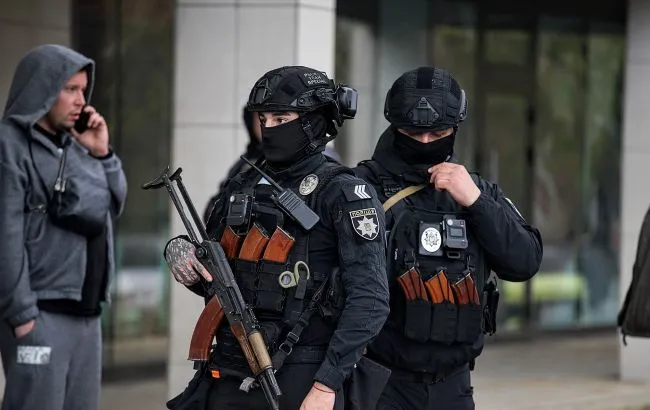
This has been reported by the Strategic Investigations Department of the National Police of Ukraine.
Who is behind the scheme
The criminal organisation was set up by two residents of Odesa. The criminals phoned citizens of Kazakhstan and introduced themselves as employees of banks, telecommunications companies and law enforcement agencies in that country.
Under the pretext of ‘protecting accounts’, ‘updating apps’ or the threat of criminal prosecution, they persuaded people to install malicious software. This gave the criminals access to the victims’ phones and banking services.
The total amount of losses is almost 2.5 million hryvnias.
How the call centre operated
The organisation had a clear hierarchy. Each member performed a specific role:
- administrators – supervised operations and trained staff;
- HR – handled recruitment and finances;
- ‘cold callers’ – made the initial calls to potential victims;
- “closers” – more experienced members who were brought in when a victim began to have doubts;
- IT specialists, mentors and operators – handled the technical side of the operation.
Victims’ contact details were obtained through targeted advertising. All calls and interactions were recorded in the CRM system.
Deepfakes and artificial intelligence at the service of fraudsters
To make the victims believe them, the criminals used deepfake technology and images generated by artificial intelligence. This is how they imitated the appearance of “real” representatives of Kazakhstan’s law enforcement agencies.
In addition, they employed psychological pressure tactics: convincing people that they were facing criminal prosecution and demanding immediate action.
The money obtained was spent on buying cars, maintaining a network of call centres and their own living expenses.
The operation was carried out jointly by operatives from the Strategic Investigations Directorate in the Odesa region, police investigators, the Cybercrime Department of the Ministry of Internal Affairs of Kazakhstan, KORD special forces and a special police battalion. Procedural supervision was provided by the Odesa Regional Prosecutor’s Office.
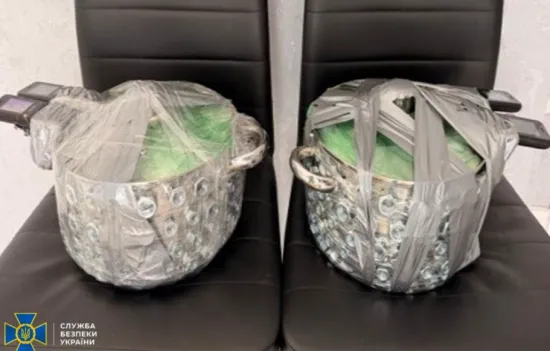
During searches of the suspects’ homes, their vehicles and the call centre premises, the following items were seized:
- computer equipment and mobile phones;
- data storage devices and bank cards;
- call centre equipment and rough notes;
- cars and cash.
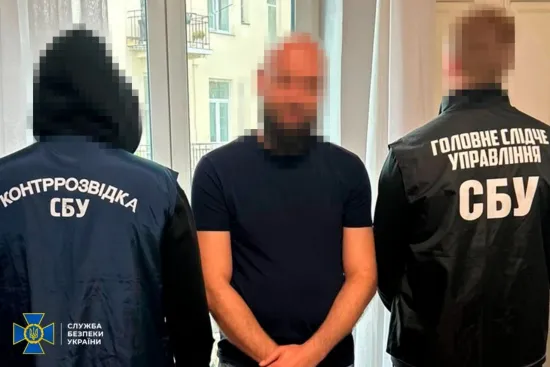
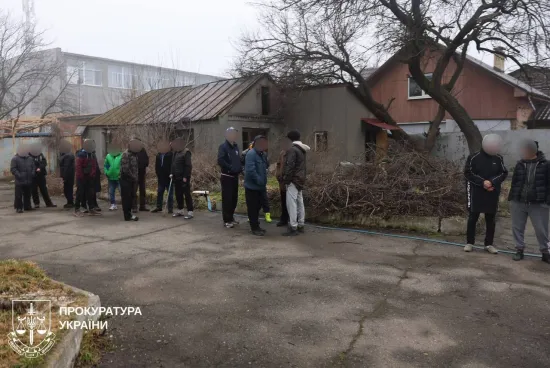
Nine suspects were detained under Article 208 of the Criminal Procedure Code of Ukraine.
As a reminder, it was previously reported that fraudsters are making widespread use of AI to make fake calls to Ukrainians.
Follow us on Telegram