Researchers have discovered over 40 potentially new species of marine organisms

Tamara Vasylchuk
Tamara Vasylchuk Journalist
Researchers have discovered over 40 potentially new species of marine organisms

The expedition, organized by the Australian Marine Research Agency (CSIRO) in collaboration with other scientific institutions, lasted 20 days.

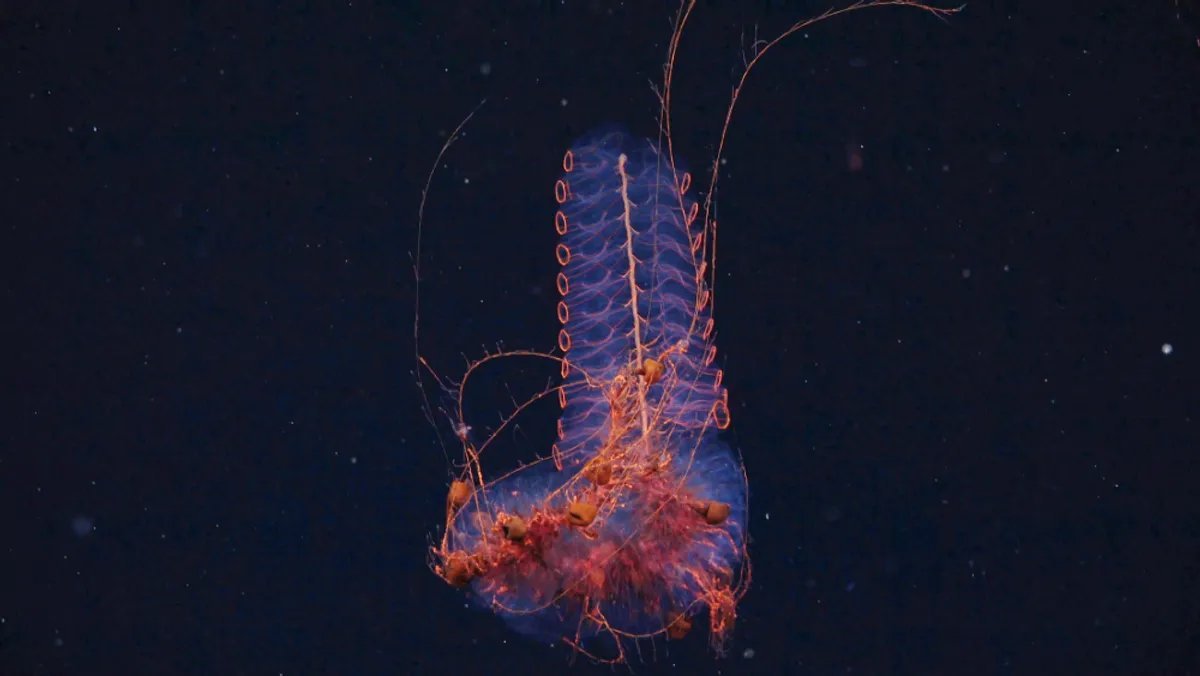
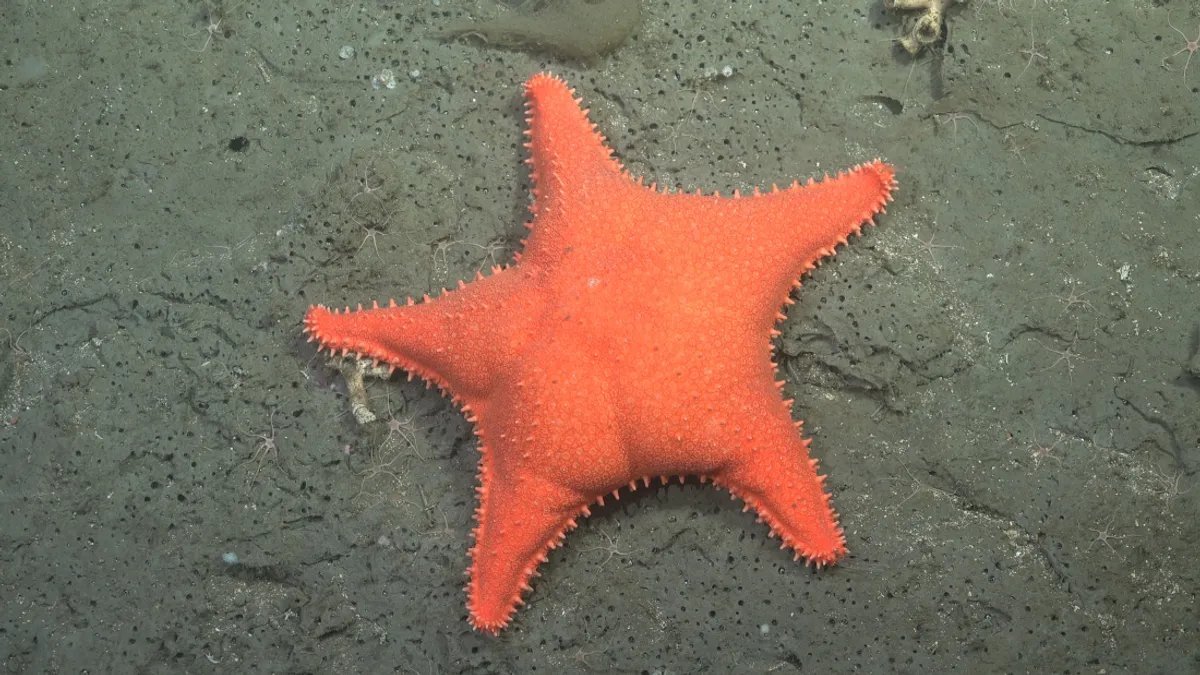
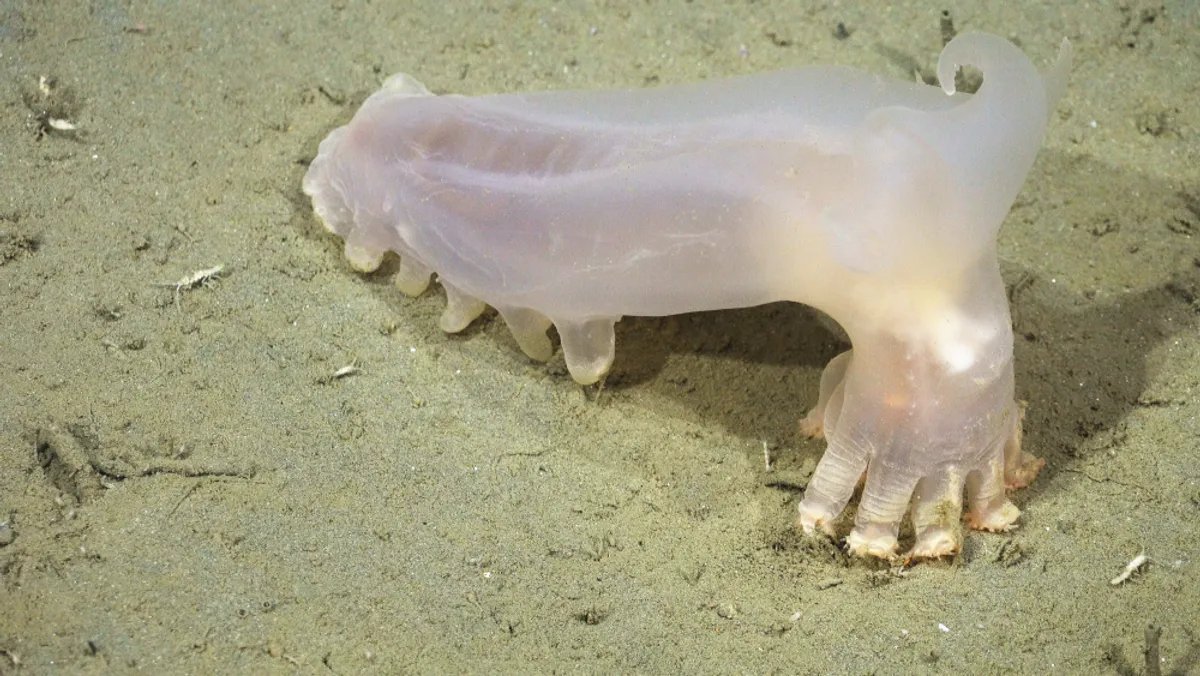
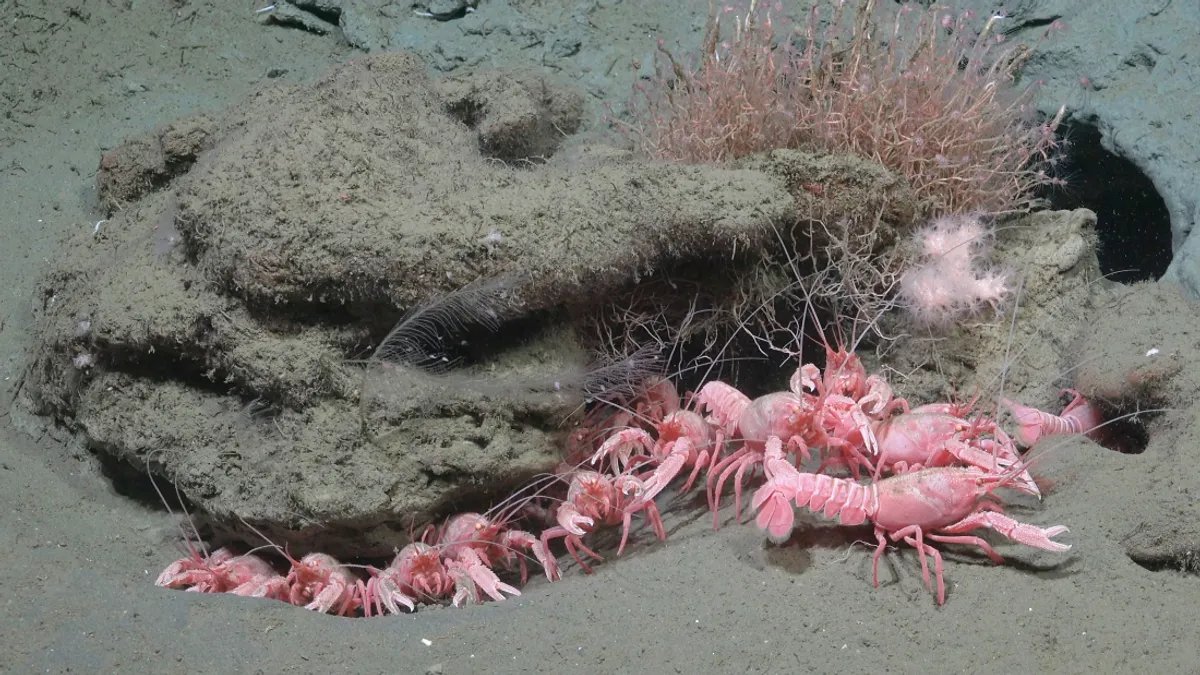
Among the most remarkable discoveries are the so-called "Barbie lobsters" with pink coloration, sea pigs, deep-sea corals, sponges, worms, and other unusual creatures that have not been previously described by science. Some of them have unique shapes and colors, indicating the extraordinary biodiversity of the region, writes IFLScience.

Researchers used remotely operated vehicles (ROVs), which allowed them not only to collect samples but also to record high-quality videos and photos. This enabled a better study of the habitat of deep-sea organisms and an assessment of the canyon's ecological value.

Scientists emphasize that such discoveries are of great importance for understanding the evolution of marine ecosystems, as well as for preserving the ocean environment. The identified species could become key to new biotechnologies, medical research, and a deeper understanding of life in extreme conditions.

The expedition also highlighted the importance of protecting deep-sea regions, which remain underexplored but are extremely vulnerable to climate change and human activity.


Share tittle
Science
In Japan, rare crested ibises, which had become extinct in the country several decades ago, have been reintroduced into the wild
Science

In Japan, rare crested ibises, which had become extinct in the country several decades ago, have been reintroduced into the wild

For the first time in several decades, eight crested ibises – a species that became extinct in Japan in the last century – have been released into the wild.

01.06.2026
A nature reserve is to be established near the Ukrainian Antarctic research station 'Akademik Vernadsky'
Science

A nature reserve is to be established near the Ukrainian Antarctic research station 'Akademik Vernadsky'

Ukraine has secured the establishment of a new specially protected area in Collins Bay, located near the Akademik Vernadsky station in Antarctica. The initiative was approved following three years of intensive international negotiations.

25.05.2026
The State Special Communications Service is calling for increased funding for Ukrainian crypto technologies
Science

The State Special Communications Service is calling for increased funding for Ukrainian crypto technologies

The State Service for Special Communications and Information Protection of Ukraine plans to develop a domestic industrial base for cryptographic solutions and to support research institutions.

25.05.2026
Artificial intelligence will be able to create its own next generations by the end of 2028
Science

Artificial intelligence will be able to create its own next generations by the end of 2028

Over the next 12 months, artificial intelligence, working in collaboration with humans, could make a scientific discovery that wins a Nobel Prize.

22.05.2026
A laboratory has opened in Japan where medical experiments are carried out by robots
Science

A laboratory has opened in Japan where medical experiments are carried out by robots

Tokyo University of Science in Japan has opened a laboratory where medical experiments are carried out by robots without human involvement.

11.05.2026