American crabs and Japanese prawns have appeared in the Black Sea: what is the reason?

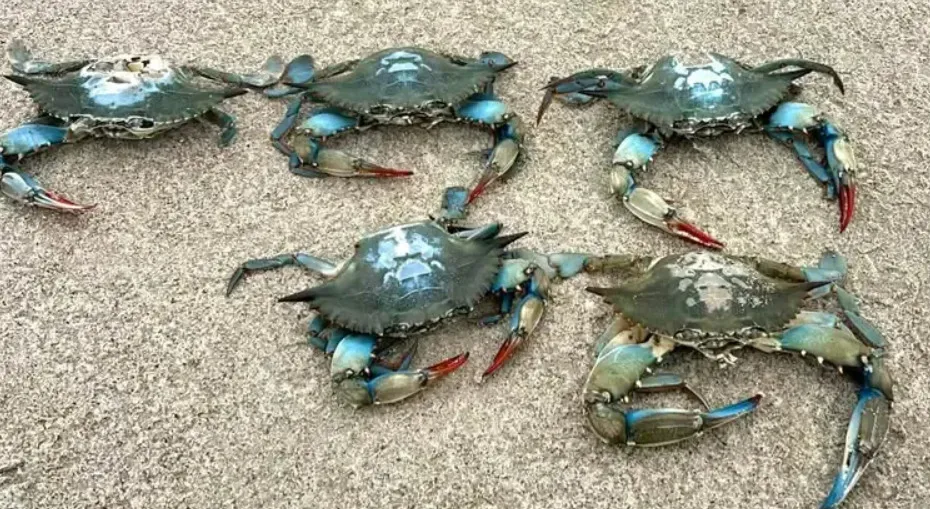
Sofia Sadogurska, an expert from the climate department of the NGO ‘Ekodia’, spoke about this in an interview with RBC-Ukraine.
Shifting habitats and competition for survival
The main danger lies in the fact that species unable to adapt to rapid warming and droughts are gradually losing ground. Their place is being taken by more resilient organisms, among which invasive species are becoming increasingly common.
“Climate change can cause shifts in species’ ranges. Species less tolerant of warming and arid conditions may be replaced by species better adapted to these conditions. And these could be either our native species or new ‘arrivals’ – non-native invasive species that are spreading rapidly and displacing local species,” explains Sofya Sadogurska.
"New inhabitants" of the Black Sea
A striking example of such expansion is the Black Sea ecosystem. Due to changing climatic conditions, the waters are becoming more suitable for species that were previously not found here or could not reproduce in large numbers.
"In recent years, non-native species such as the American blue crab, the Japanese river shrimp, and even the now-familiar barnacles, which actually arrived here from the Sea of Japan," notes the expert.
According to Sadogurska, the problem lies in the fact that these species, when introduced to new environments, actively adapt and begin to displace native species that are not prepared for such rapid ecological changes.
The need for legislative regulation
The spread of invasive species due to climate change is a serious challenge that cannot be ignored. According to the expert, this issue requires a comprehensive approach at the national level.
“Such a major problem as the spread of invasive species requires legislative regulation at the state level, as well as specific measures within nature conservation areas and communities. This is yet another additional challenge linked to climate change,” concludes the representative of the NGO “Ekodiya”.
Follow us on Telegram