Drone attacks on oil tankers in the Black Sea

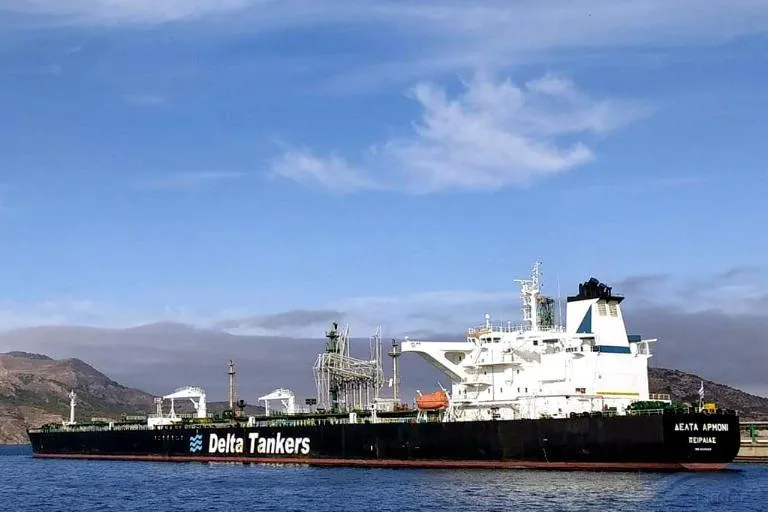
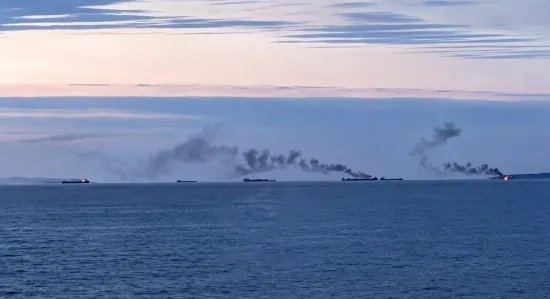
On Tuesday, 13 January, at least three Greek-operated oil tankers were attacked in the Black Sea near a key oil terminal of the Caspian Pipeline Consortium. The vessels were on their way to load oil through the CPC, which is the main export route for Kazakhstan's crude oil and accounts for about 80 per cent of such supplies to world markets, sources familiar with the situation told Bloomberg and Reuters. The vessels were on their way to load oil through the CPC, which is the main export route for Kazakhstan's crude oil and provides about 80 per cent of such supplies to world markets.
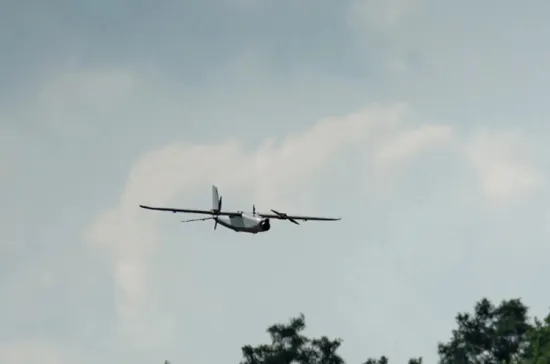
According to the sources, the attacks were carried out on the Delta Harmony and Delta Supreme tankers, which are managed by the Greek company Delta Tankers, as well as the Matilda vessel, which is managed by Thenamaris and was chartered by a structure of the Kazakh state-owned company KazMunayGas. At the time of the strike, the Matilda was in ballast approximately 30 miles from the CPC berths. Thenamaris representatives confirmed the attack by two drones and noted that there were no casualties and that the damage to the deck structures was assessed as minor and repairable. A short-term fire was also reported on board, which was quickly extinguished.
It is not yet known who is behind the attacks. Ukraine has not provided any official comment, and the press service of the Caspian Pipeline Consortium has declined to comment. At the same time, the governor of the Rostov region confirmed the air attack near Taganrog and Novorossiysk, without specifying details about the vessels.
The incident comes amid a drop in Kazakhstan's oil and gas condensate production by around 35 per cent between 1 and 12 January compared to the average for December. According to sources, this is primarily due to export restrictions through the CPC's Black Sea terminal, which was previously damaged by drone strikes in November.
Analysts note that attacks on tankers in the Black Sea could lead to an increase in freight costs and insurance premiums. More than 2 per cent of the world's crude oil supplies pass through Russian Black Sea terminals, so any disruption to the CPC could affect the global energy market.