Experts have outlined the likely course of Russia's war against Ukraine

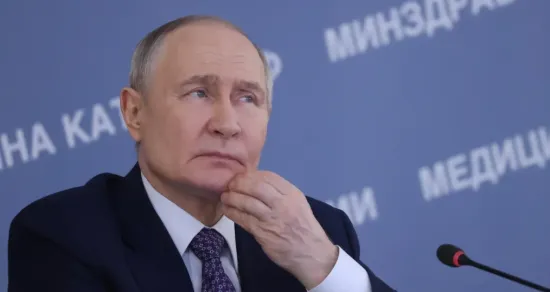
On 24 February 2022, Russian President Vladimir Putin announced the start of a full-scale invasion of Ukraine. Russian troops quickly advanced and occupied territories near Kyiv, but the offensive stalled, and by December, forces were forced to retreat and focus on the east of the country.
Stefan Wolf and Tetyana Malyarenko, professors of international security at the University of Birmingham, consider Moscow's decision to launch a large-scale ground invasion to be the most unexpected. Despite expectations of a quick defeat for Ukraine, the mobilisation of Ukrainian society from the first days of the war demonstrated that there was no realistic scenario for the Kremlin to quickly achieve its goals of removing Volodymyr Zelenskyy and demilitarising Ukraine.
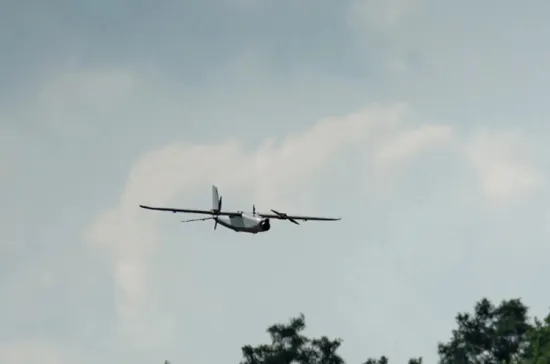
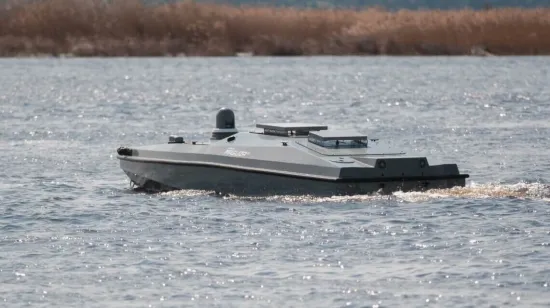
They note that Russia's transition to a war economy and a war of attrition after the failure of its plans for a quick victory was less unexpected. According to them, combat methods have evolved, in particular through the widespread use of drones, which Russia uses to attack not only military targets but also critical infrastructure. At the same time, the basis of Russian military doctrine, which involves the use of mass armies, has remained unchanged.
In their opinion, both sides have sufficient resources and external support to maintain the status quo. The war will continue in an attempt to exhaust the enemy, and political and economic stagnation will affect the societies of both countries.
Scott Lucas, professor of international politics at University College Dublin, says that despite expectations of Kyiv's fall at the beginning of the war, Ukraine now controls more territory than it did in June 2022. He notes that Russia is facing heavy losses and limited territorial gains.
According to Lucas, the Kremlin will not agree to terms that fall short of complete control over the strategic part of Donetsk and the rest of the territory without effective security guarantees for Ukraine. He considers a quick end to the war through negotiations unlikely, as Kyiv's surrender is unlikely.
Mark Webber, professor of international politics at the University of Birmingham, cites Ukraine's resilience and adaptability as the biggest surprise. He notes that NATO support and national identity have played an important role in maintaining the defence.
Webber believes that two factors could change the situation. The first is a change in China's position, which, through technological cooperation and energy purchases, is effectively supporting Russia's military efforts. The second is a large-scale increase in arms supplies to Ukraine from Germany, France and the United Kingdom without restrictions related to fears of escalation.
At the same time, experts consider both scenarios unlikely. In their opinion, internal political factors in European countries and the position of the United States reduce the chances of a sharp change in the course of the war in the near future.