Europeans support increased defence spending but do not want to buy weapons from the US — a study

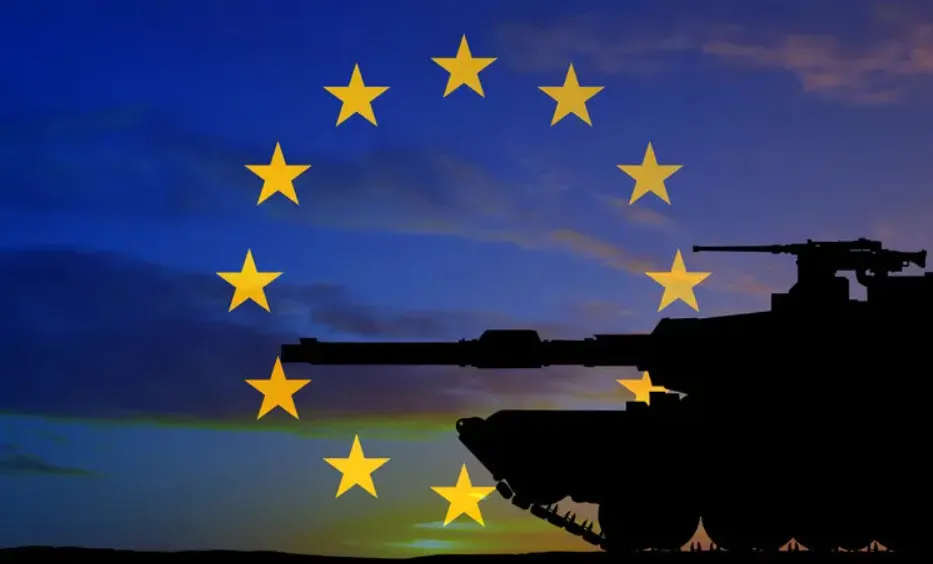
This is evidenced by data from the European Council on Foreign Relations (ECFR).
A new large-scale ECFR study covers 15 countries and nearly 20,000 respondents, revealing a profound shift in how Europeans view their own security, the role of the US and the future of the EU.
Only around 11% of Europeans consider the US to be an ‘ally’ of the EU. The majority, however, describe it as a ‘necessary partner’, but no longer as a guarantor of security. Furthermore, in most countries, people are not confident that the US would come to their aid in the event of an attack.
The survey shows that Europeans have effectively embraced the idea that the continent should rely more on itself:
- Citizens in 14 out of 15 surveyed countries largely support the idea of purchasing more weapons within the EU (support ranges from 38% to 75%). Only in Italy do more citizens oppose this idea.
- Almost all countries are in favour of developing their own European nuclear deterrent without US involvement (Hungary and Austria do not support this).
- All surveyed countries, with the exception of Italy, want to increase defence spending.
However, only Poland supported the option of buying more weapons from the US — the rest of the countries are categorically against it.
The survey also paints a complex picture regarding Ukraine. Europeans generally support Ukraine as a partner, but do not support sending their peacekeepers there once the war is over.
There is also no consensus on Ukraine’s rapid accession to the EU ‘under current conditions’, and this applies even to Ukraine’s closest geographical neighbours. This is not about general opposition to EU enlargement as such — there is a more favourable attitude towards its enlargement to the west (for example, through the possible return of the UK to the EU).
At the same time, eastward enlargement faces strong opposition in Austria, Bulgaria and Hungary. In Estonia, France, Germany and Poland, public opinion is more divided. And, surprisingly, in the Netherlands — usually sceptical on this issue — public opinion is slightly more inclined to support eastward enlargement.
Follow us on Telegram