Following the Russian Federation’s attack on Kyiv, more than 350 tonnes of fuel ended up in Lake Kyrylivske

Tetiana Bodnarenko
Tetiana Bodnarenko Journalist
Following the Russian Federation’s attack on Kyiv, more than 350 tonnes of fuel ended up in Lake Kyrylivske
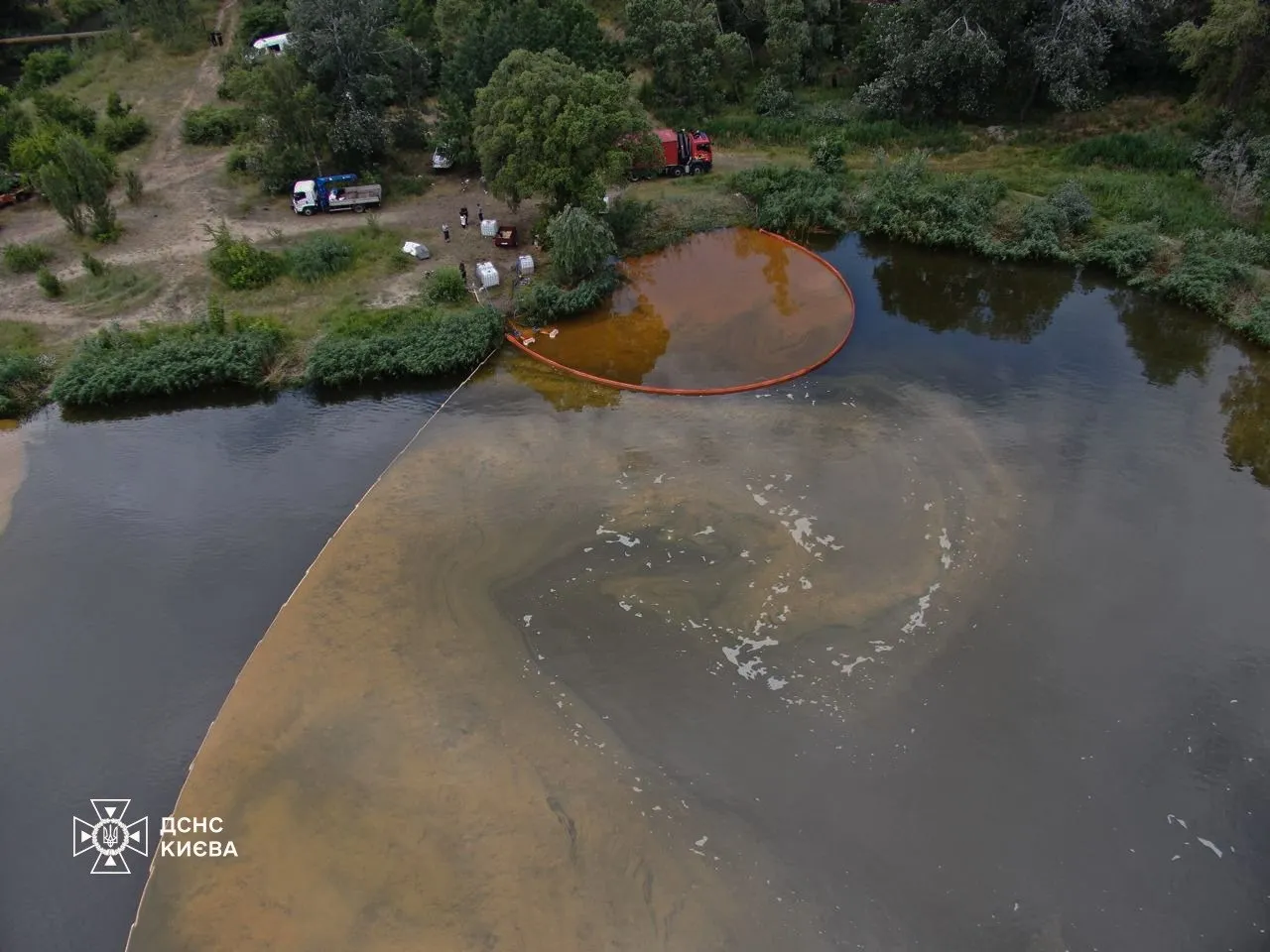
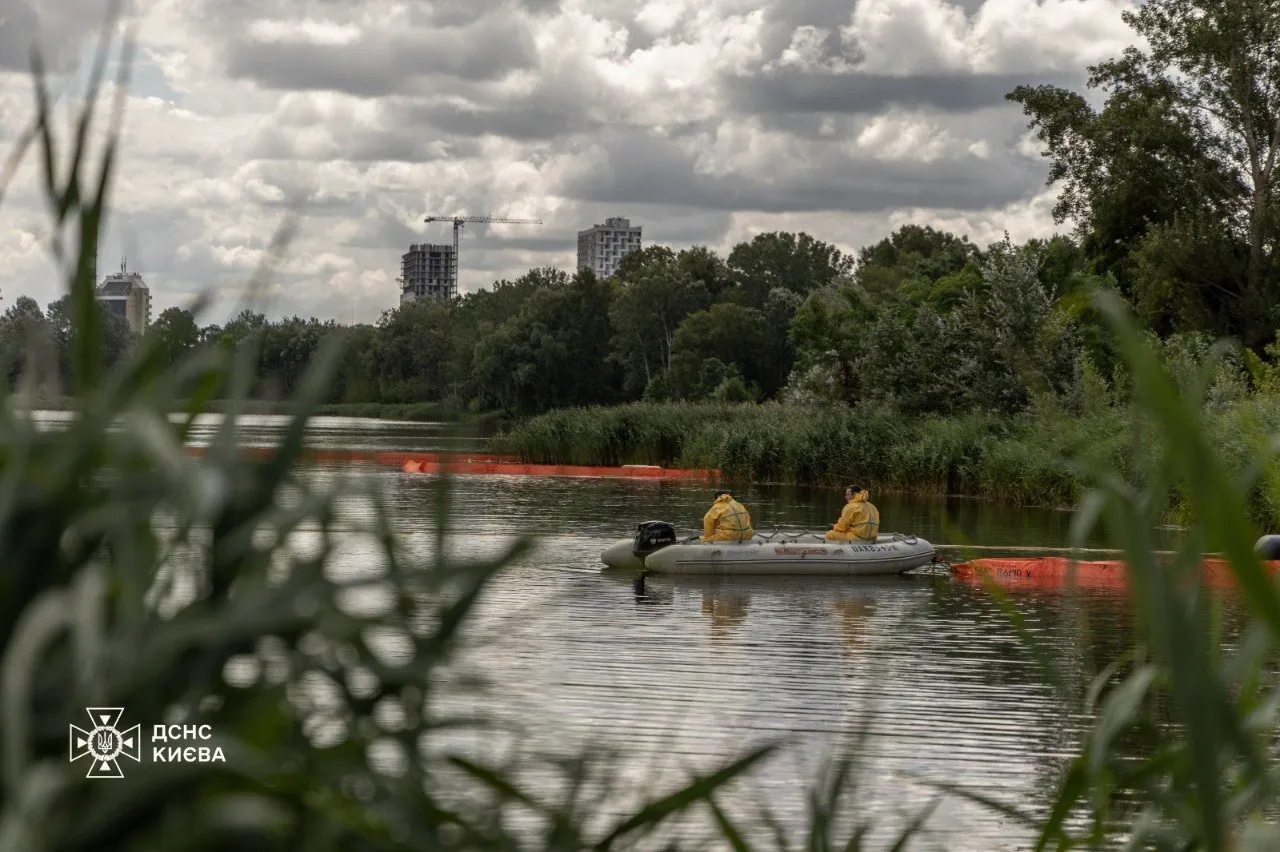
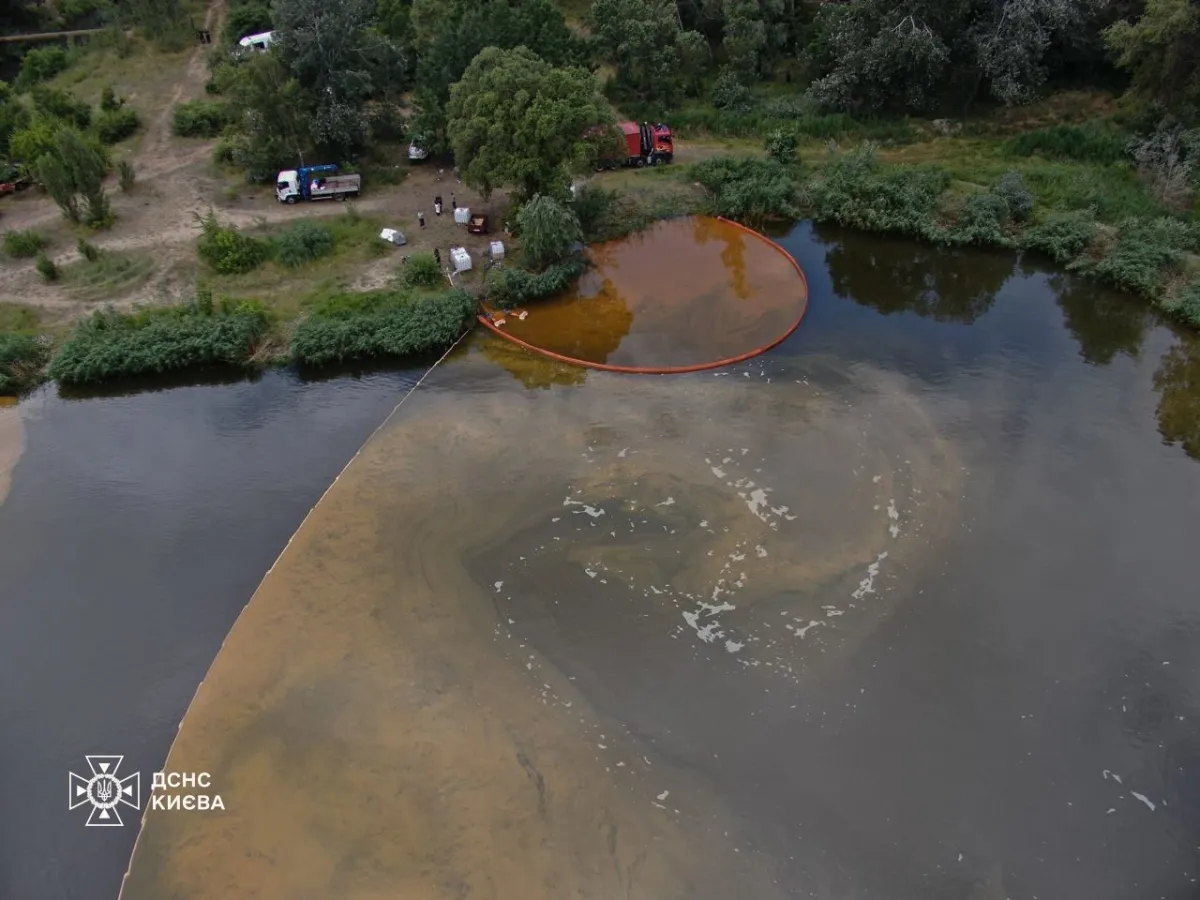
An oil slick on a lake in the Obolon district. Photo: State Emergency Service
The massive Russian attack on Kyiv on 2 July caused serious pollution of Lake Kyrylivske in the Obolon district. Hundreds of tonnes of petroleum products spilled into the lake, which has already led to the death of local wildlife.

One of the consequences of the massive Russian attack on Kyiv on the night of 2 July was widespread environmental pollution in the Obolon district of the capital. After a petrol station was hit, there was a spill of fuel and lubricants, which flowed into Lake Kyrylivske.

The Ukrainian Ministry of Economy, Environment and Agriculture reported that the bulk of the spill had been contained before it reached the lake. However, according to preliminary estimates, over 350 tonnes of petroleum products and emulsified mixtures entered the lake.

To deal with the consequences of the pollution, emergency services employed a two-stage water purification system. Units from the State Emergency Service deployed oil booms on the water and along the spill routes to contain the oil slick and prevent it from spreading to other bodies of water in the Opechen Lake system.

Currently, the State Emergency Service’s specialist equipment is removing the main layer of contamination, 5–7 centimetres thick, using floating skimmers. Afterwards, the water’s surface will be treated with oil-absorbing sorbent to collect the remaining oil film.

According to Deputy Minister Iryna Ovcharenko, the scale of the environmental damage is significant. At the same time, damage assessment is underway, along with the preparation of a plan for the further rehabilitation of the ecosystem, which includes the clean-up of the lake, laboratory water testing, monitoring of neighbouring lakes and restoration work.

The State Emergency Service has specified that four lines of floating booms with a total length of 350 metres and 12 lines of sorbent barriers 720 metres long have been installed on Lake Kyrylivske.

Rescue workers have already pumped 25 cubic metres of fuel and lubricants from the surface of the lake. However, the environmental situation remains serious.

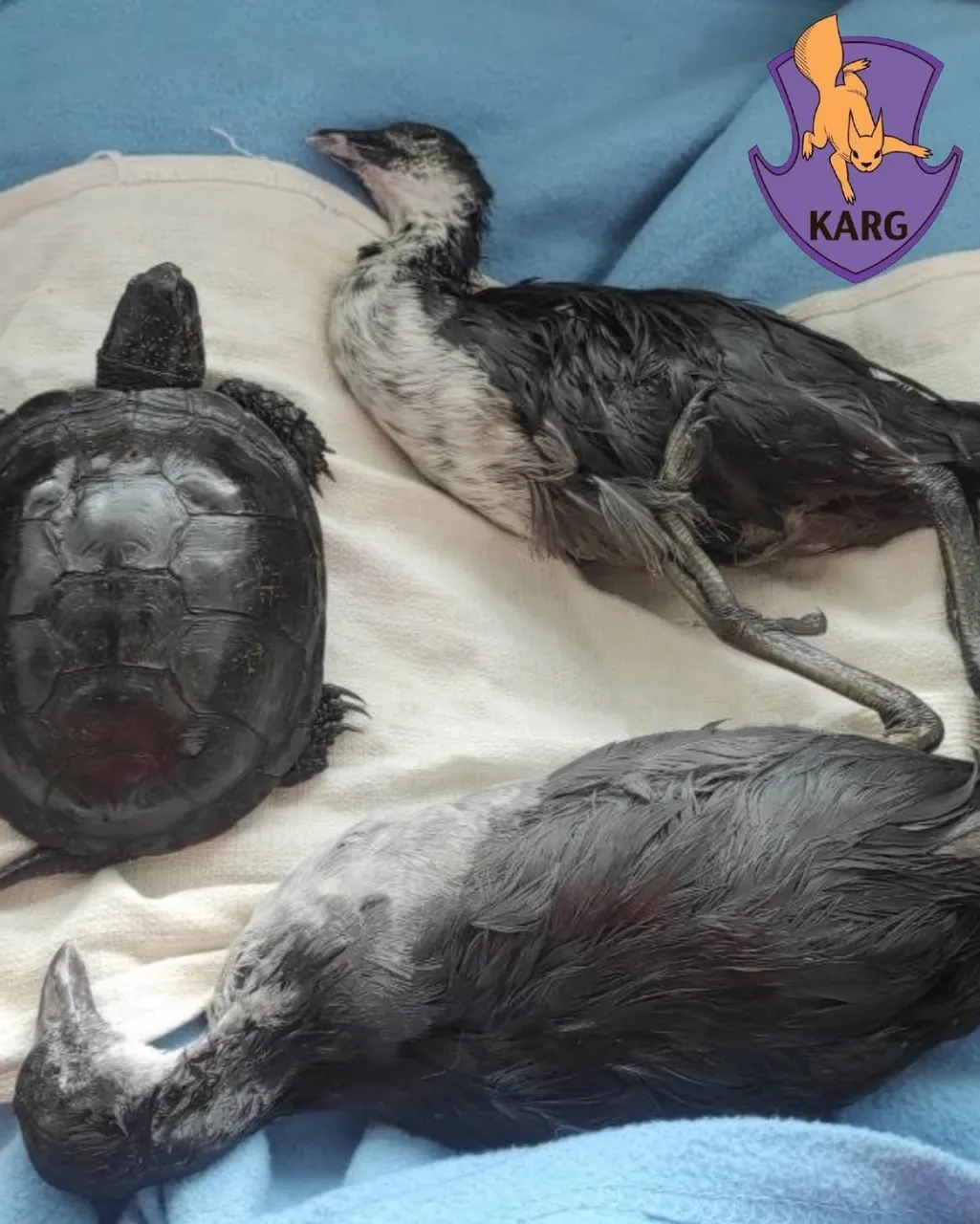
Mass deaths of fish, birds, frogs, insects and other animals are being recorded at the site. A persistent smell of fuel can still be detected in the area around the lake.

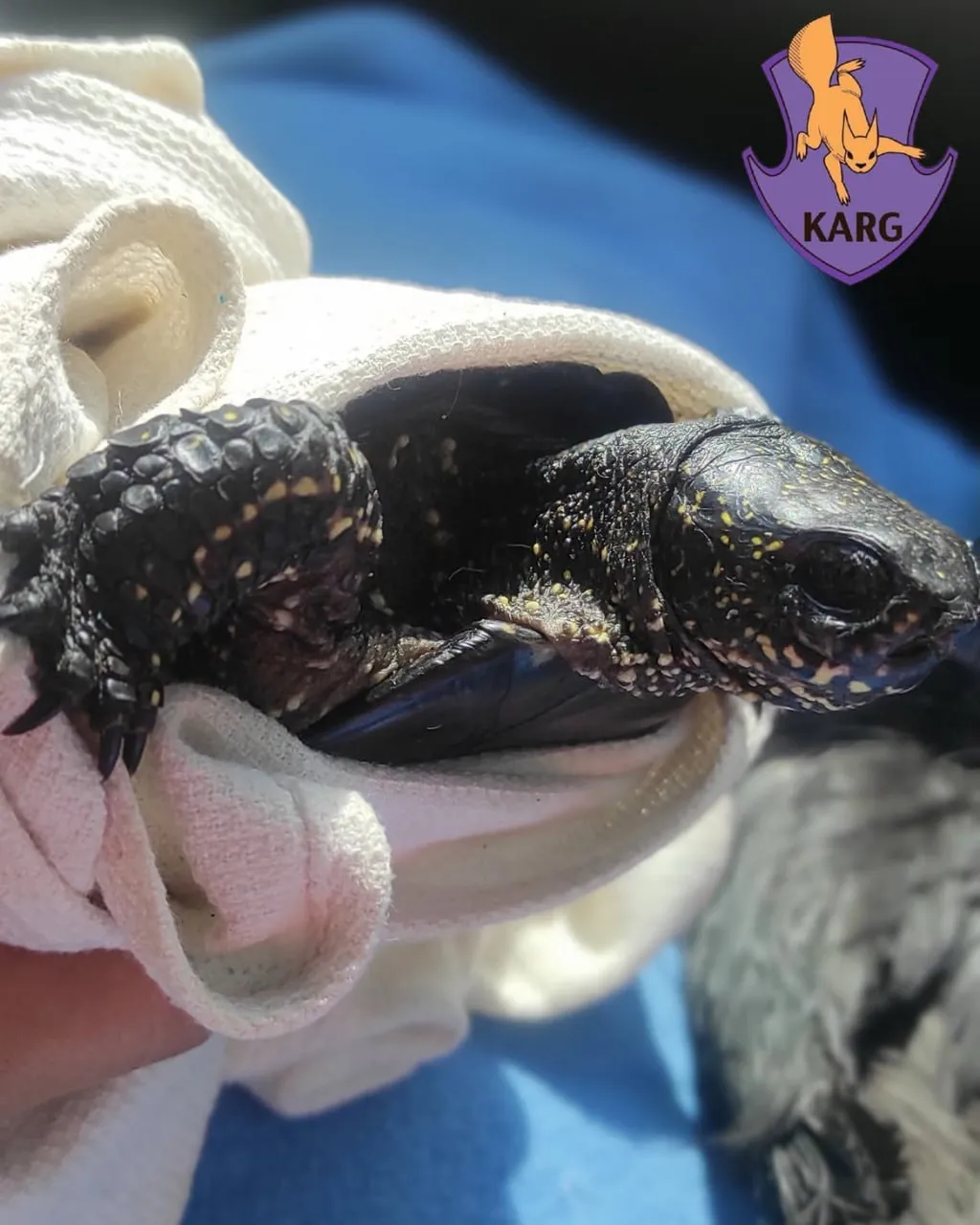
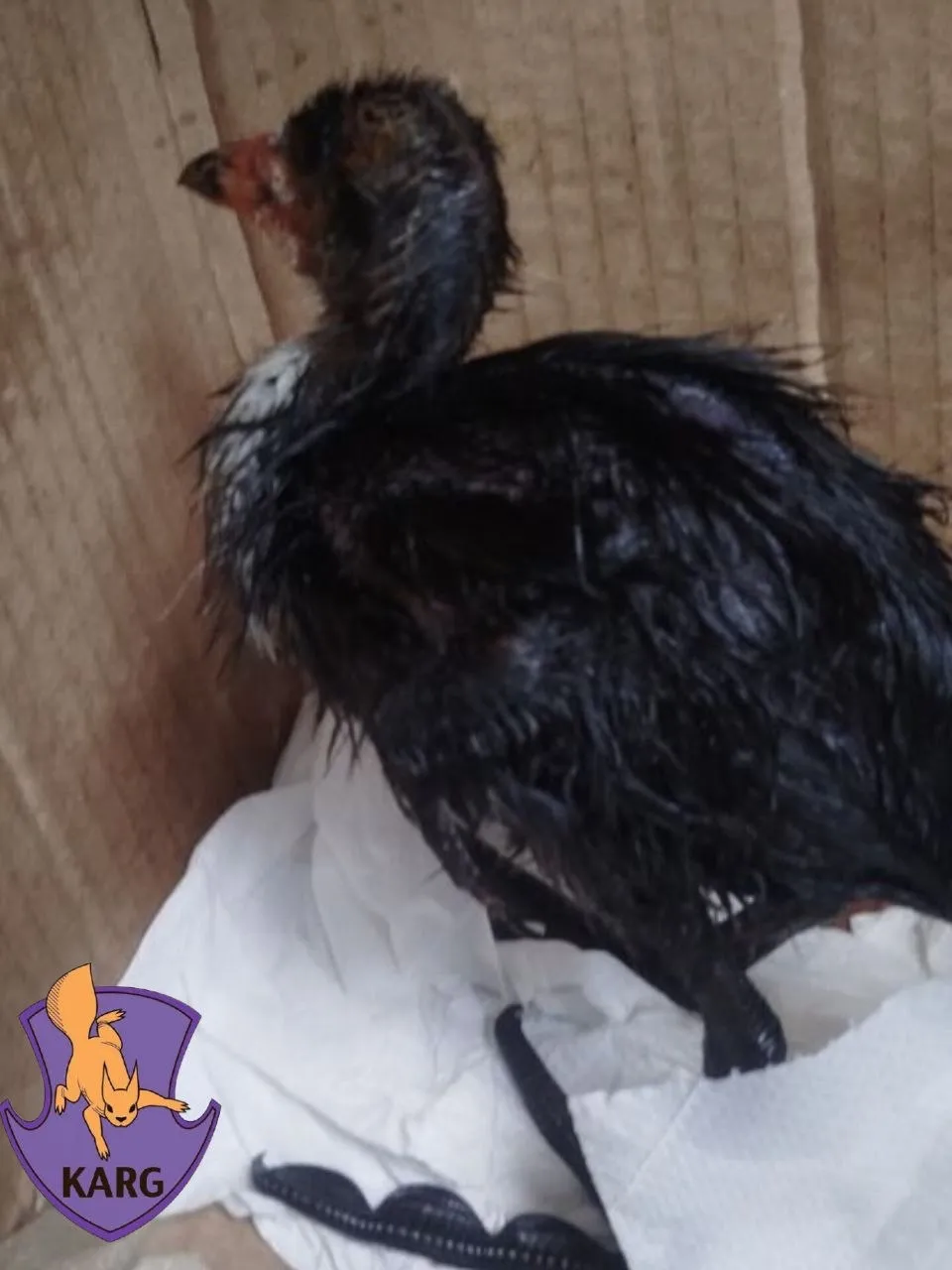
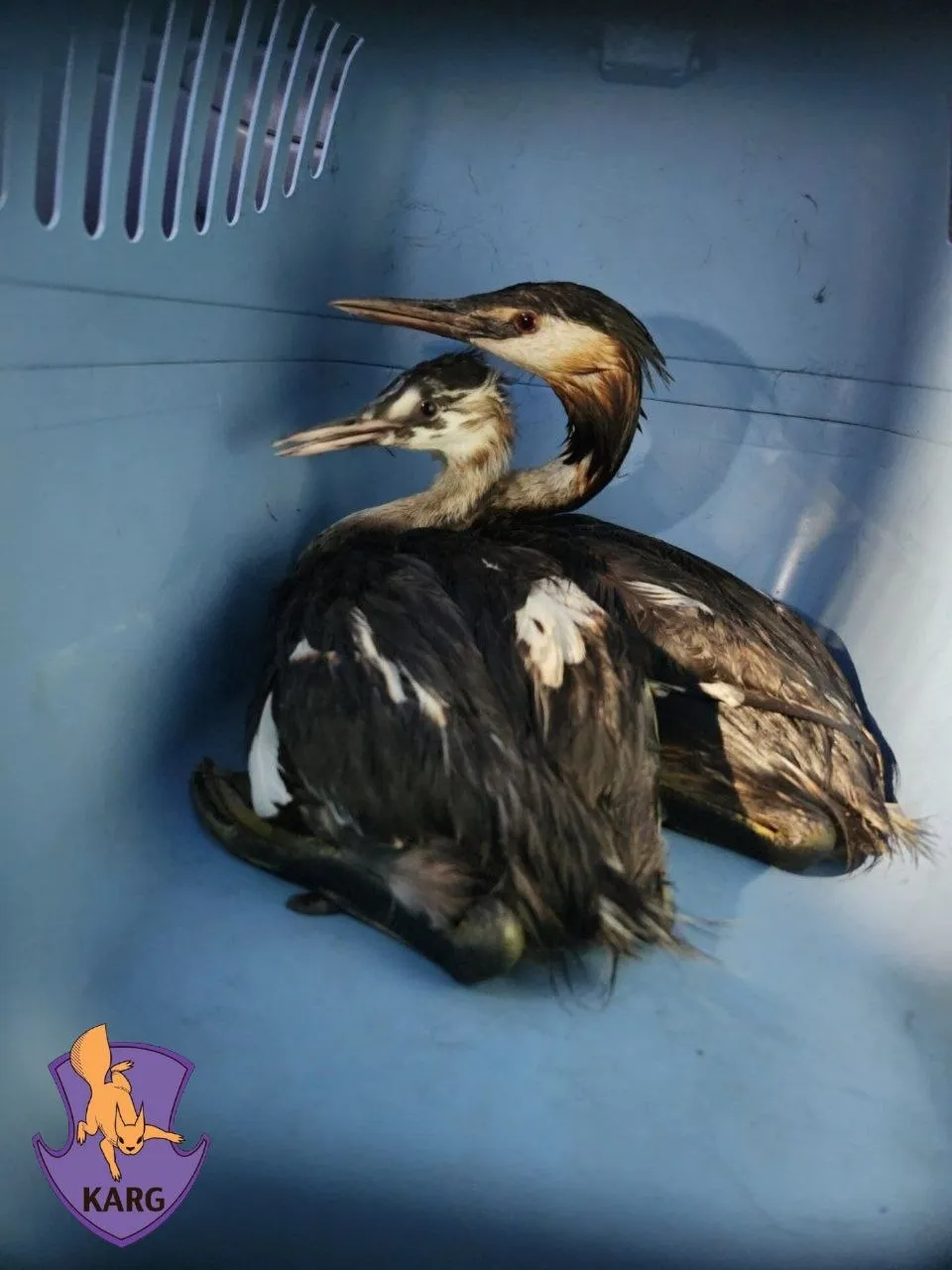
Activists from the Kyiv Animal Rescue Group have also joined the effort to rescue the animals. According to their reports, two grebes were evacuated from the contaminated area on the first day. On the second day, a further 16 birds were rescued, including 11 grebes, six coots and one duckling.

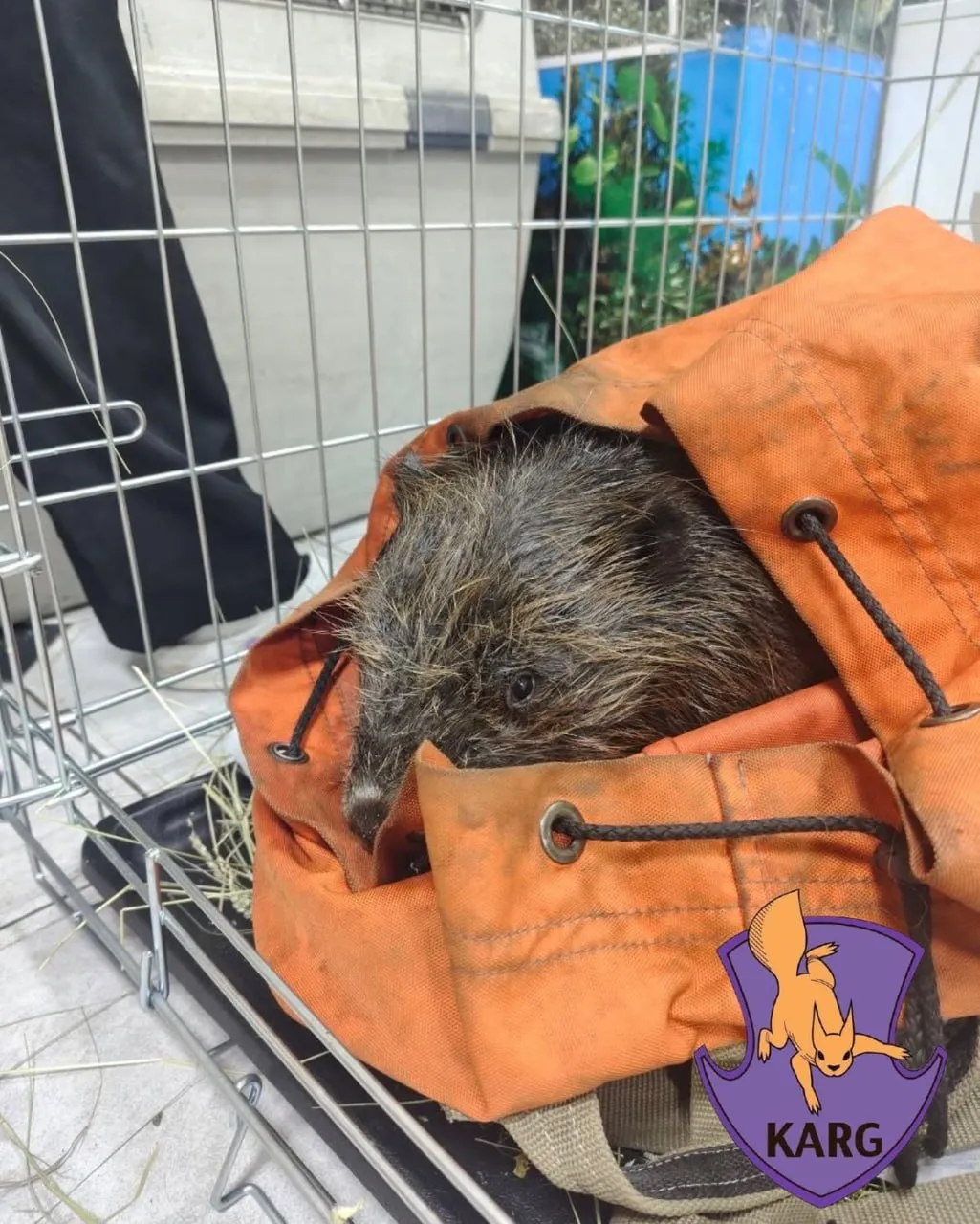
On the night of the third day, the activists discovered a beaver completely covered in fuel oil. On the same day, they also rescued a further 24 birds and a marsh turtle.

All the rescued animals were taken to specialist centres, where they are being cleaned of oil and undergoing detoxification.
Follow us on Telegram

Share tittle
War
The studio, which had survived the previous shelling, was destroyed. Russia’s attack on Kyiv has damaged the ‘Channel 5’ office for the second time (PHOTO)
War

The studio, which had survived the previous shelling, was destroyed. Russia’s attack on Kyiv has damaged the ‘Channel 5’ office for the second time (PHOTO)

A massive Russian shelling of Kyiv on the night of 6 July damaged the only studio belonging to ‘Channel 5’.

06.07.2026
Ukrainian drones attacked the Yaroslavl oil refinery and ports in the Leningrad Oblast
War
  • Important

Ukrainian drones attacked the Yaroslavl oil refinery and ports in the Leningrad Oblast

The Security Service of Ukraine, in conjunction with the Defence Forces, has carried out a series of strikes on fuel, energy and military infrastructure targets in Russia and the temporarily occupied Crimea. Among the targets struck were the Yaroslavl oil refinery, the oil loading terminal in Vysotsk and military facilities in Crimea.

06.07.2026
Ukraine plans to sign a ‘Drone Deal’ with seven NATO countries by the end of 2026 — The Guardian
War

Ukraine plans to sign a ‘Drone Deal’ with seven NATO countries by the end of 2026 — The Guardian

By the end of 2026, Ukraine plans to conclude bilateral agreements on unmanned technologies — the ‘Drone Deal’ — with a further seven NATO countries.

06.07.2026
Russia has attacked a number of regions in Ukraine; there have been fatalities, injuries and widespread destruction
War

Russia has attacked a number of regions in Ukraine; there have been fatalities, injuries and widespread destruction

During the night and on the morning of 6 July, Russian forces carried out strikes on Odesa and the regions of Kherson, Zaporizhzhia, Dnipropetrovsk, Donetsk, Sumy, Kharkiv and Chernihiv. The attacks have resulted in fatalities, injuries and damage to civilian infrastructure.

06.07.2026
Since the start of the year, Ukrainian drones have struck oil refineries in Russia nearly 200 times
War
  • Important

Since the start of the year, Ukrainian drones have struck oil refineries in Russia nearly 200 times

Since the start of 2026, Ukrainian drones have attacked Russian oil refineries on at least 194 occasions. According to analysts, this has increased the pressure on the Russian fuel sector.

06.07.2026