Russians are handing in gold to pawnshops en masse due to financial difficulties – intelligence reports

This has been reported by the Foreign Intelligence Service of Ukraine.
At first glance, the Russian microfinance market in the first quarter of 2026 appears to be in relatively good shape: the volume of lending fell by just 3 per cent year-on-year, to $6.3 billion. However, as the intelligence service notes, this moderate decline masks a far more complex picture of the debt burden on the population and small businesses.
The main contraction occurred in the segment of the most expensive and riskiest products – short-term consumer loans of up to $389 with a term of up to one month. The regulator has tightened requirements for assessing borrowers’ creditworthiness and restricted lending to those already heavily in debt. However, demand has not disappeared – it has simply shifted to other, less transparent channels.
One such channel has been microloans to businesses, which grew by 22 per cent to $519.1 million. The lion’s share of these loans went to sole traders, whilst a significant portion of the funding was provided by microfinance organisations established by major marketplaces. As the banking and microfinance markets for private individuals contract, entrepreneurs and the self-employed are seeking credit through organisations affiliated with e-commerce platforms.
Meanwhile, the total microloan portfolio grew to $10.33 billion, an increase of 16 per cent year-on-year, driven mainly by medium- and long-term loans. However, this growth in volume has been accompanied by a significant deterioration in quality: the proportion of debt more than 90 days past due jumped from 27.5% to 33.8% over the year. The market price of non-performing loans also fell: the discount when selling them to debt collectors reached 78 per cent, meaning that buyers of such portfolios effectively do not believe it will be possible to recover the majority of these funds.
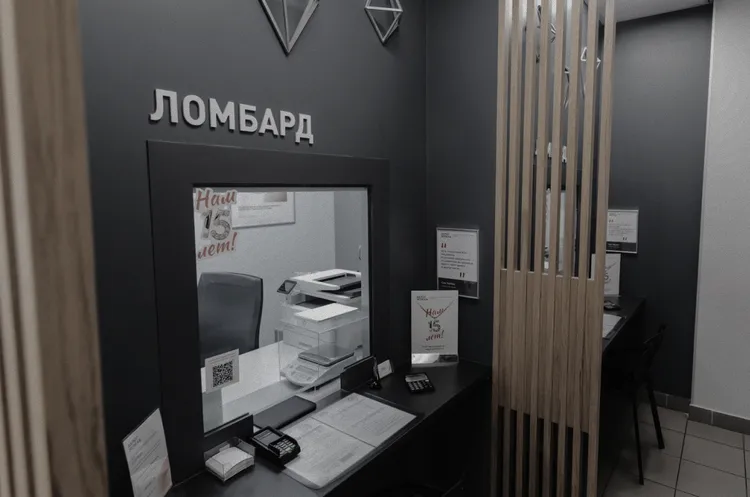
A telling indicator of the population’s impoverishment has been the rapid growth of the pawnbroking market. Over the quarter, pawnbrokers concluded 4.9 million contracts, and their total portfolio grew by 35 per cent to $1.5 billion. The average loan amount rose to $358, partly driven by high gold prices, with Russians increasingly pawning their gold for quick cash.
Follow us on Telegram