France has accused Hungary of betraying the EU over a document for Lavrov

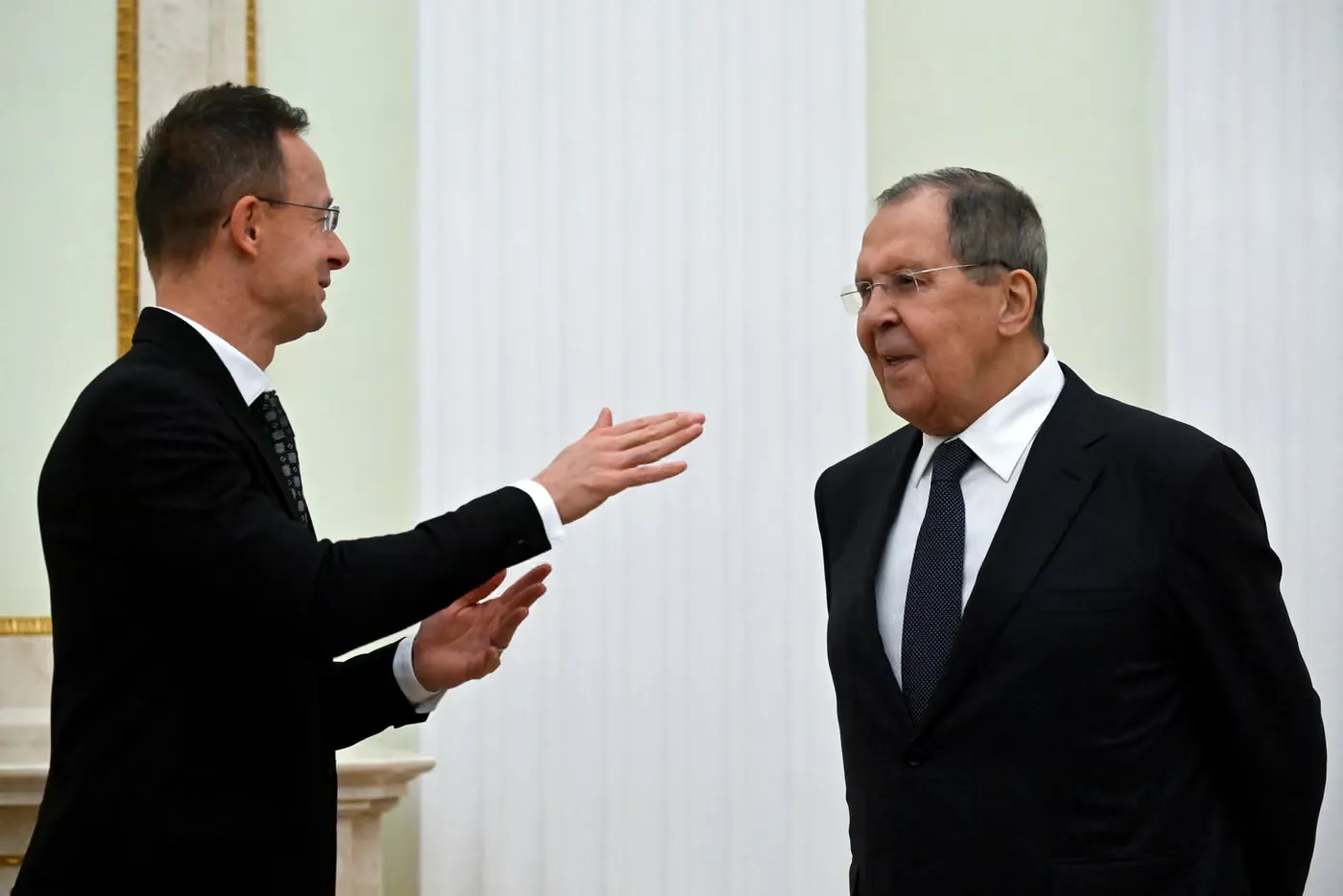
This was reported by The Guardian and Reuters following the publication of recordings released by a consortium of investigators led by VSquare.
French Foreign Minister Jean-Noël Barrot described Budapest’s actions as “a betrayal of the solidarity required between European Union countries”. This was Paris’s reaction to the recordings in which, according to journalists, Szijjártó replies to Lavrov: “I will send it. It’s not a problem”, when the Russian minister asks for a document on the role of national minority languages in negotiations regarding Ukraine’s accession to the EU. Polish Prime Minister Donald Tusk also stated that what he had heard was “shocking”.
According to Reuters, the audio recordings were released by a media consortium comprising VSquare, FRONTSTORY, Delfi Estonia, The Insider and ICJK. The agency emphasises that it has been unable to independently verify the authenticity of the recordings. Meanwhile, Szijjártó himself had previously described the wiretapping of his telephone conversations as a “major scandal”, whilst Orbán ordered an investigation into the leaks.
The most sensitive episode concerns Ukraine specifically. The VSquare investigation states that Budapest systematically used the issue of the rights of the Hungarian minority in Ukraine as a tool to exert pressure in negotiations on EU accession. Against this backdrop, the promise to pass the document to Lavrov via the Hungarian embassy in Moscow no longer appears to be a chance contact, but rather part of a broader line of cooperation with the Kremlin within European institutions.
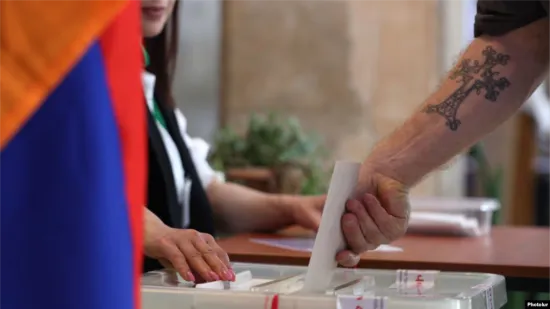
The story has proved particularly damaging because it hits Orbán in the midst of the campaign. The vote in Hungary is scheduled for 12 April, and, according to Median’s forecast, Péter Magyar’s opposition party Tisza could outperform Fidesz to such an extent that it might even come close to a constitutional majority. For Orbán, this is the most dangerous election campaign since 2010.
The external backdrop is adding further tension. A few days before the election, US Vice-President JD Vance flew to Budapest, where he openly backed Orbán and denied that Washington was interfering in the election. In Europe, this visit was seen as a clear political signal in favour of the incumbent prime minister.
Orbán himself is trying to fend off accusations of excessive closeness to Moscow and insists that Hungary remains part of the West. But the problem for him is no longer just one of rhetoric. The Lavrov affair touches on a fundamental question of trust within the EU: is Budapest acting as an awkward ally with its own agenda, or as a separate channel of communication for the Kremlin in European politics? This has now become one of the central themes of the Hungarian campaign.
As a reminder, Hungarian Prime Minister Viktor Orbán told Russian President Vladimir Putin that he was ready to do everything possible to help him ‘resolve’ the war in Ukraine. In particular, they discussed a possible meeting between Russia and the United States in Budapest, which never took place.