Gas prices for households may rise: Naftogaz is forecasting a shortage

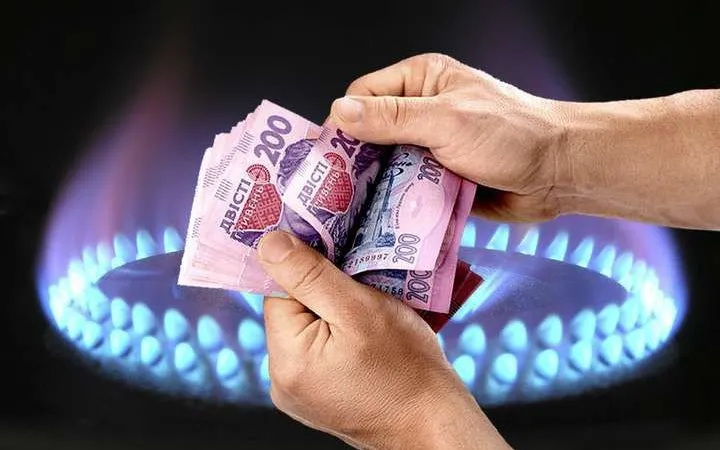
Gas prices for households in Ukraine may rise. According to financial analyst Andriy Shevchyshyn, this scenario is likely given the loss of domestic production capacity due to Russian attacks and the energy situation in Europe.
Currently, the vast majority of Ukrainians pay 7.96 UAH per cubic metre for gas. This tariff is fixed until 30 April 2026. At the same time, it is noted that in previous years, the price was not reviewed after the end of the heating season.
The situation for Naftogaz, according to the analyst’s assessment, remains tense due to the loss of part of its production capacity. As of 17 March, gas storage facilities had been filled to only 16%, amounting to around 5 billion cubic metres.
Shevchyshyn noted that by next winter, reserves need to reach at least 13 billion cubic metres, and if the winter is as harsh as the previous one, even more. In his estimation, the need for imports could range from 4.4 billion to 6.3 billion cubic metres.
This means that Naftogaz will have to finance significant volumes of gas imports from Europe. At the same time, the situation is complicated by rising European prices. Since the end of February, prices on the TTF hub have reportedly risen from €31 per MWh to €60 per MWh. In other words, gas has almost doubled in price.
At the NBU exchange rate, according to the calculations provided, this corresponds to costs of around 34.6 UAH per cubic metre for the import component alone – excluding logistics and distribution.
Against this backdrop, the analyst outlined three possible scenarios for the need for additional funding for gas imports. Under the mild scenario, Naftogaz may require 33.7 billion UAH at a price of 55 euros per MWh and imports of 4.4 billion cubic metres. The baseline scenario envisages 52.7 billion UAH at a price of 65 euros per MWh and imports of 5.5 billion cubic metres. Under the stress scenario, the requirement could rise to 78.4 billion UAH at a price of 80 euros per MWh and imports of 6.3 billion cubic metres.
An additional factor, as noted, is the position of the International Monetary Fund. The IMF continues to insist on Ukraine’s gradual transition to market-based tariffs in order to receive the next financial package.
Taking all these factors into account, it cannot be ruled out that the government will have to announce a review of gas prices for the population as early as 2026.
Separately, the publication notes that during 2025, the US sold nearly 4 billion barrels of oil and petroleum products, with the Netherlands unexpectedly becoming the largest buyer, importing 419 million barrels, or 10.7%.
It is also noted that Ukraine has launched a temporary ‘Fuel Cashback’ scheme, which provides for a partial refund of between 5% and 15% on petrol, diesel and LPG.
As a reminder, electricity prices may rise from 1 May: who will lose their subsidies and how much will they have to pay