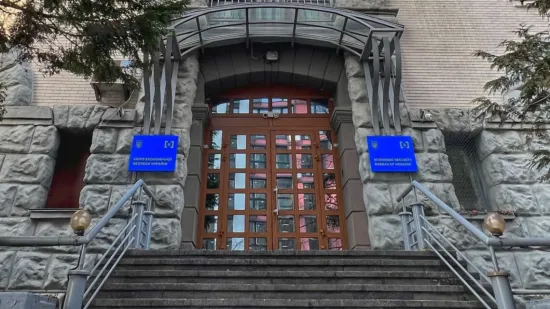
‘Dniprogaz’ is to pay Naftogaz a further 46 million in penalties and compensation


This is set out in the ruling of the Grand Chamber of the Supreme Court of 17 June 2026 in Case No. 904/1809/24.
The dispute arose over gas that ‘Dniprogaz’ received from a ‘supplier of last resort’. In Ukraine, this role is fulfilled by the gas supply company ‘Naftogaz of Ukraine’.
The ‘supplier of last resort’ automatically begins supplying gas if a business or other consumer is suddenly left without their usual supplier. This is necessary to ensure that the gas supply is not immediately cut off.
‘Dniprogaz’ used the gas but failed to pay for it on time. Naftogaz took the matter to court, demanding repayment of the principal debt, as well as payment of a penalty, compensation for inflation and 3 per cent per annum.
Previously, the court had ordered the company to pay 127.46 million UAH for the cost of the gas, but had refused Naftogaz’s claim for additional charges. The Grand Chamber has reviewed this part of the ruling.
Dniprogaz must now pay an additional 31.59 million UAH in late payment penalties, 9.31 million UAH in compensation for the depreciation of money due to inflation, and 5.09 million UAH in annual interest. The total amount of these charges is almost 46 million hryvnias.
In addition, the company was ordered to pay approximately 3.5 million UAH in court fees for the proceedings at various levels of the courts.
The main issue was whether a contract existed between the companies. There was no separate document bearing the parties’ signatures, and the law permits gas to be received from a ‘last-resort’ supplier for no more than 60 days.
Previously, in similar cases, the courts might have considered that, once this period had expired, the gas was being received outside the scope of the contract. In such cases, the supplier could demand payment for the gas itself, but not the contractual penalty.
The Grand Chamber rejected this approach. The court ruled that the consumption of gas in itself constitutes acceptance of the public contract. In other words, if a company has actually used the gas, it cannot avoid paying the penalty simply because it did not sign a separate document or exceeded the agreed supply period.
The ruling concerns a commercial dispute between two companies. It does not mean that a new penalty will automatically be imposed on all domestic consumers; however, this conclusion by the Supreme Court may be applied in other similar disputes with a ‘last resort’ supplier.
The ruling has come into force and is not subject to appeal. The outcome of the case has also been published on the Supreme Court’s official website.
Follow us on Telegram.