Iranian vessels have begun passing through the US naval blockade in the Strait of Hormuz

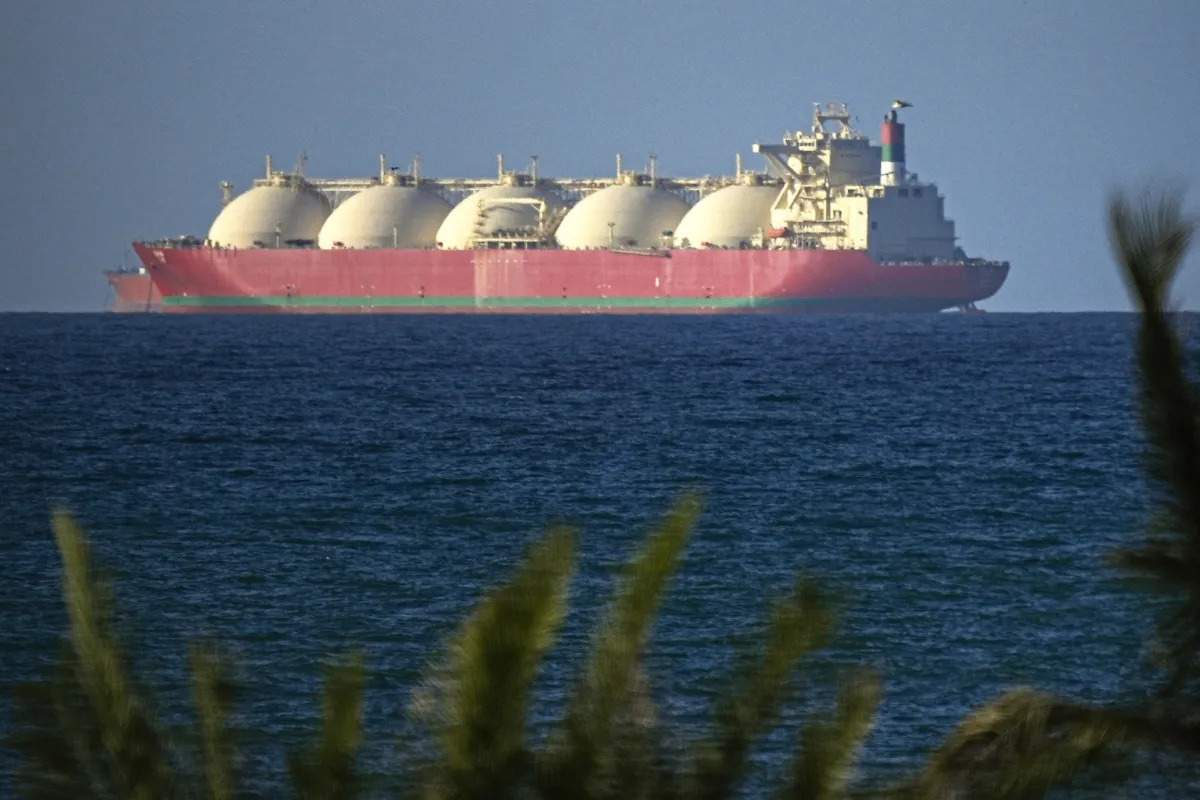
Iranian oil tankers and dry cargo ships have begun passing through the US naval blockade in the Strait of Hormuz following an agreement between Tehran and Washington, reports Euronews.
According to the Tasnim news agency, three oil tankers and two vessels carrying essential goods have already crossed the US control line.
The Fars news agency specified that one of the vessels is a supertanker and is currently heading through international waters towards Iranian ports. Another tanker, fully loaded with oil, has passed through the Gulf of Oman and is heading for its destination. A vessel carrying livestock feed is also en route to Iran.
The US and Iran reached a peace agreement on 15 June. US President Donald Trump announced the lifting of the blockade on Iran’s seaports and the reopening of the Strait of Hormuz.
“They are taking the southern route, which is completely safe, secure and free of obstacles. There are other routes available for passage,” Trump said.
The peace agreement is expected to be signed on 19 June in Switzerland. The full text of the document has not yet been made public. Meanwhile, Iranian agencies reported that the agreement provides for a complete cessation of hostilities, the lifting of the naval blockade of Iran and the resumption of shipping in the Strait of Hormuz.
According to sources, as part of the agreement, Tehran is insisting on the lifting of US oil sanctions, the release of $24 billion of its own funds, and the provision of a reconstruction plan for the country worth at least $300 billion.
For its part, Iran has stated its readiness to reopen the Strait of Hormuz within 30 days, to commit to not producing nuclear weapons, and to hold negotiations on nuclear issues for the complete lifting of US and UN Security Council sanctions.
It is also reported that the final agreement is to be approved by a UN Security Council resolution. However, the final negotiations will not begin until the United States has unblocked half of Iran’s frozen funds and lifted the naval blockade.
The issues of Iran’s missile programme and Tehran’s support for proxy forces in the Middle East will not be addressed within the scope of these negotiations.