Tatneft has restricted fuel sales following the shutdown of the company’s largest oil refinery

Roman  Panasyuk
Roman Panasyuk Journalist
Tatneft has restricted fuel sales following the shutdown of the company’s largest oil refinery

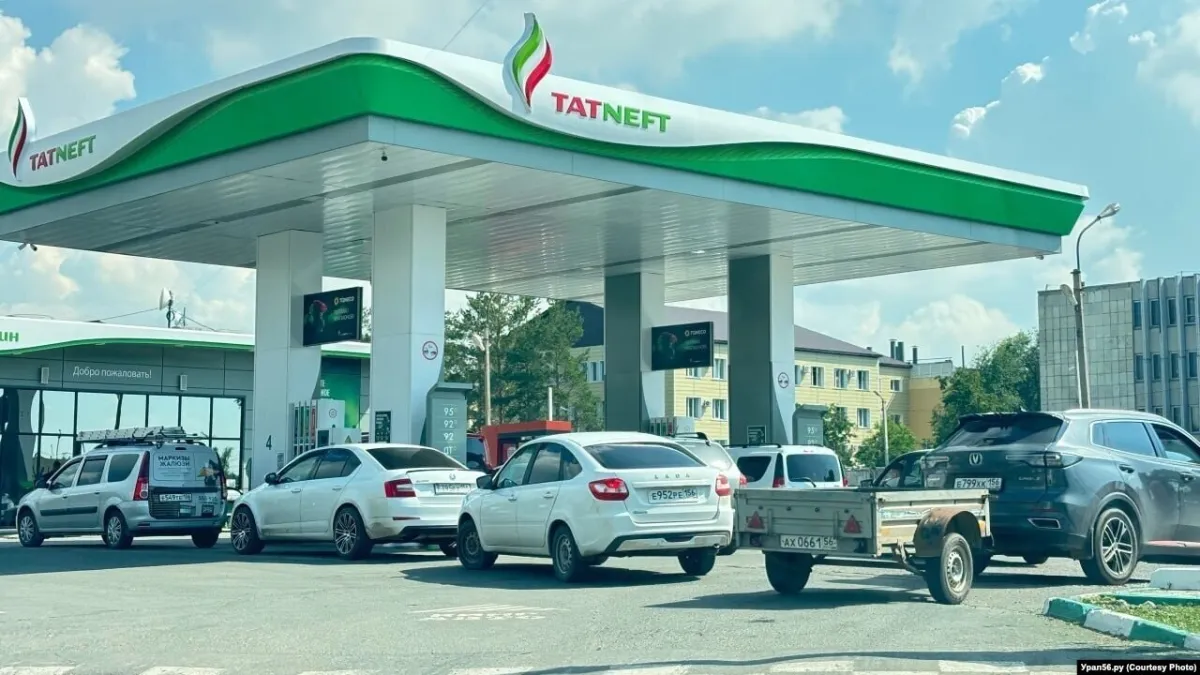
A Tatneft petrol station in Orenburg, 15 June 2026. Photo: Radio Freedom
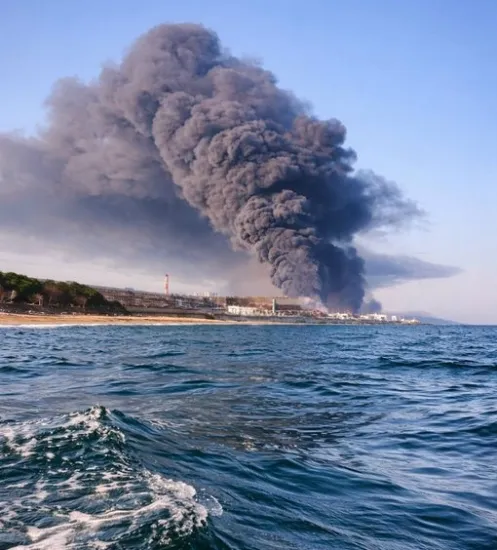
Tatneft has imposed restrictions on fuel sales at some of its petrol stations in several regions of Russia. This follows the shutdown of the TANECO oil refinery, which ceased processing crude oil after a drone attack.

The Russian company Tatneft has introduced restrictions on fuel sales at its petrol stations in several regions of the country from 14 June, according to TMT.

The company’s helpline has stated that a single vehicle is permitted to fill up with no more than 20 litres of petrol, 40 litres of diesel and up to 200 litres of fuel for heavy goods vehicles.

The restrictions came into force last Friday. They apply to Tatarstan, Udmurtia, Moscow, St Petersburg, Orenburg, Nizhny Novgorod, Voronezh, Samara and a number of other regions. In the Samara region, temporary limits have been introduced at 19 petrol stations belonging to one of the local chains.

The restrictions were introduced following a drone attack on 12 June, as a result of which the TANECO oil refinery in Nizhnekamsk completely ceased oil processing.

According to industry sources, following the attack and subsequent fires on the plant’s premises, both primary oil refining units were shut down. The AVT-6 unit has a capacity of 20,000 tonnes per day, accounting for 45 per cent of the plant’s total capacity. The capacity of the AVT 7 unit is approximately 23,000 tonnes per day.

TANECO is the largest oil refinery within the Tatneft group. The plant is equipped with hydrocracking, catalytic cracking and delayed coking units.

By the end of 2024, the plant had processed 17 million tonnes of crude oil. The plant produced 2.7 million tonnes of motor petrol, 8.5 million tonnes of diesel fuel and 1.3 million tonnes of petroleum coke.

A company spokesperson noted that the reasons for and duration of the restrictions on fuel sales have not yet been officially clarified.

Tatneft has around 2,000 petrol stations across five countries, of which around 800 are located in Russia.

According to estimates by Energy Intelligence analysts, by the end of the first week of June, oil refining volumes in Russia had fallen below 4 million barrels per day, reaching their lowest level in 21 years. According to their calculations, nearly a third of Russian refinery capacity, or 2.14 million barrels per day, is currently idle.

As of 10 June, at least 25 regions of Russia, excluding the temporarily occupied territories of Ukraine, were facing fuel shortages and supply disruptions.

Follow us on Telegram

Share tittle
Economy
The government has set out the priorities for the Budget Declaration for 2027–2029: key points
Economy

The government has set out the priorities for the Budget Declaration for 2027–2029: key points

The government has set out the priorities for the Budget Declaration for 2027–2029. It outlines two possible scenarios: either the war will end or it will continue.

16.06.2026
‘The worst fuel crisis in history’. Russia has lost a third of its refining capacity due to attacks on oil refineries
Economy

‘The worst fuel crisis in history’. Russia has lost a third of its refining capacity due to attacks on oil refineries

A series of strikes on Russian oil refineries has led to a sharp decline in oil refining volumes in Russia. Against this backdrop, fuel shortages are being reported in certain regions of the country, alongside rising prices in the fuel market.

16.06.2026
Prices for aviation fuel in Russia have reached a record high
Economy

Prices for aviation fuel in Russia have reached a record high

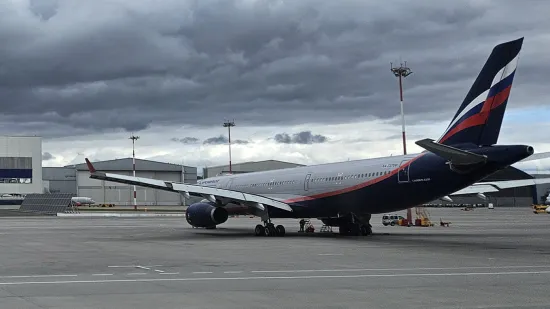
The price of aviation fuel in Russia has exceeded 110,000 roubles per tonne for the first time. The price rise comes against a backdrop of reduced market supply and fuel supply issues at a number of airports.

16.06.2026
The Kremlin has written off a further half a billion dollars of debt owed by the regions to avoid default – intelligence sources
Economy

The Kremlin has written off a further half a billion dollars of debt owed by the regions to avoid default – intelligence sources

The Russian government has written off budget debts owed by a further six regions of the country, totalling 37.5 billion roubles (around $525 million). Ukraine’s Foreign Intelligence Service believes that Moscow is attempting to avoid a “live default” in this way.

15.06.2026
Billions on paper: why tax audits do little to boost the budget
Economy

Billions on paper: why tax audits do little to boost the budget

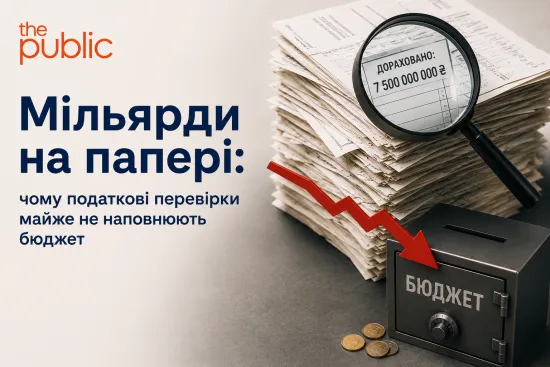
Tax audits in Ukraine result in tens of billions of hryvnias in additional tax assessments every year, yet only a small fraction of these sums actually reaches the budget. According to the Business Ombudsman Council, over 95% of the additional tax assessments never materialise as actual revenue.

15.06.2026