Youth lasts longer than previously thought: brain research has redefined age boundaries

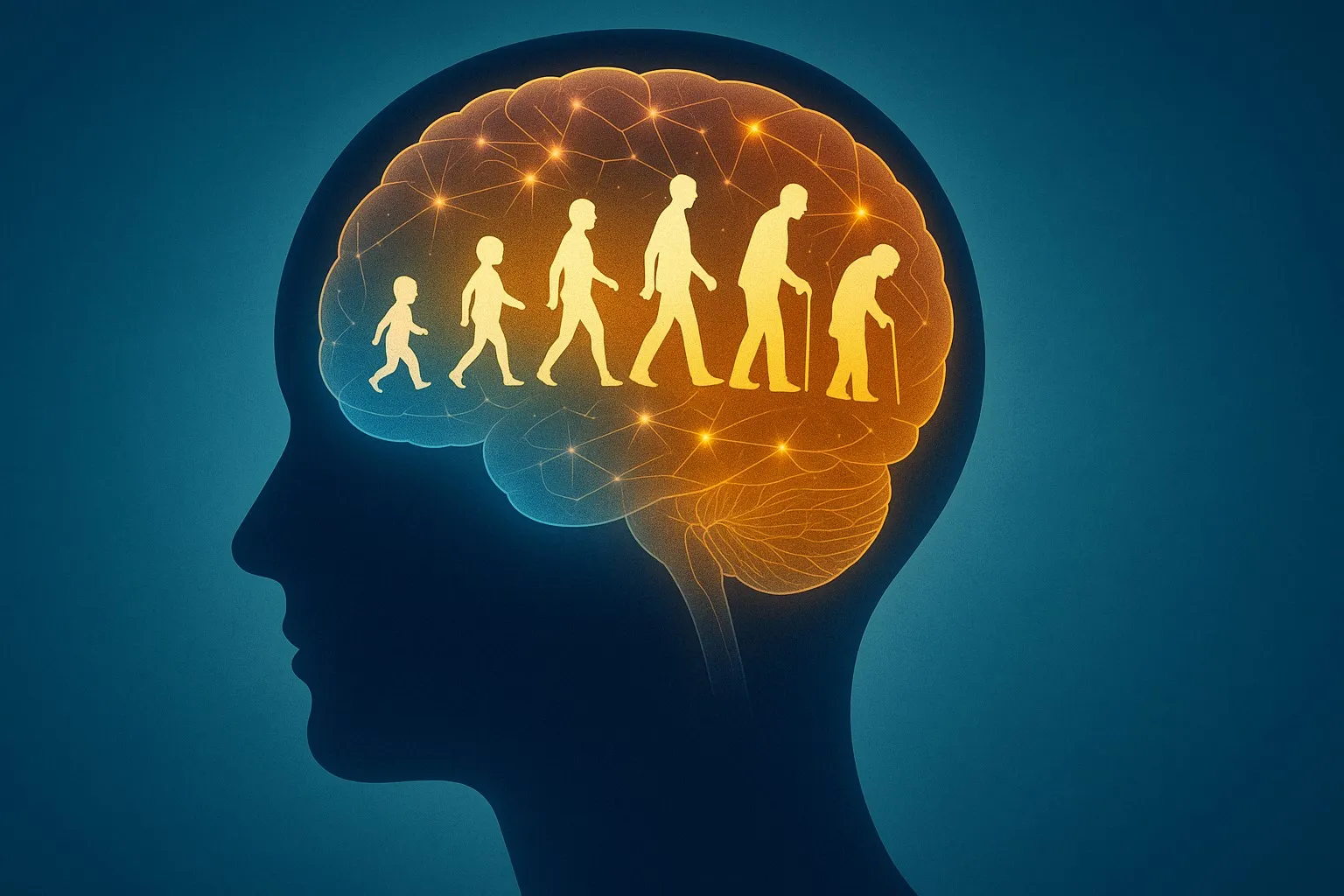
The human brain goes through five distinct stages of development, and it is not a gradual process – its structure changes in leaps.
According to ThePublic.info, based on the results of a new study, key transitions occur at ages 9, 32, 66, and 83.
In the course of the study, about 4,000 people up to 90 years old underwent brain scans. This allowed scientists to trace the interaction of neurons and identify how connections between cells change throughout life.
The Cambridge University team established that the brain remains in a youthful phase until the early thirties, precisely when a person "reaches their peak".
Researchers believe that such data will help better understand the causes of mental disorders and dementia, as risks change depending on the stage of brain development.
Scientists identified five stages of brain development:
| Stage | Age Period |
|---|---|
| Childhood | from birth to 9 years |
| Adolescence | 9–32 years |
| Adulthood | 32–66 years |
| Early aging | 66–83 years |
| Late aging | from 83 years |
According to Dr. Alexa Mousley, the brain does not stop restructuring throughout life:
“It constantly weakens and strengthens connections. This is not a stable move forward – but a sequence of growth and restructuring phases.”
Scientists add that different people may transition between stages earlier or later, but the data demonstrate an astonishing repeatability of these boundaries, which could aid in developing new approaches in medicine and psychology.