Europe takes on Russia`s shadow fleet and hits the Kremlin`s oil revenues

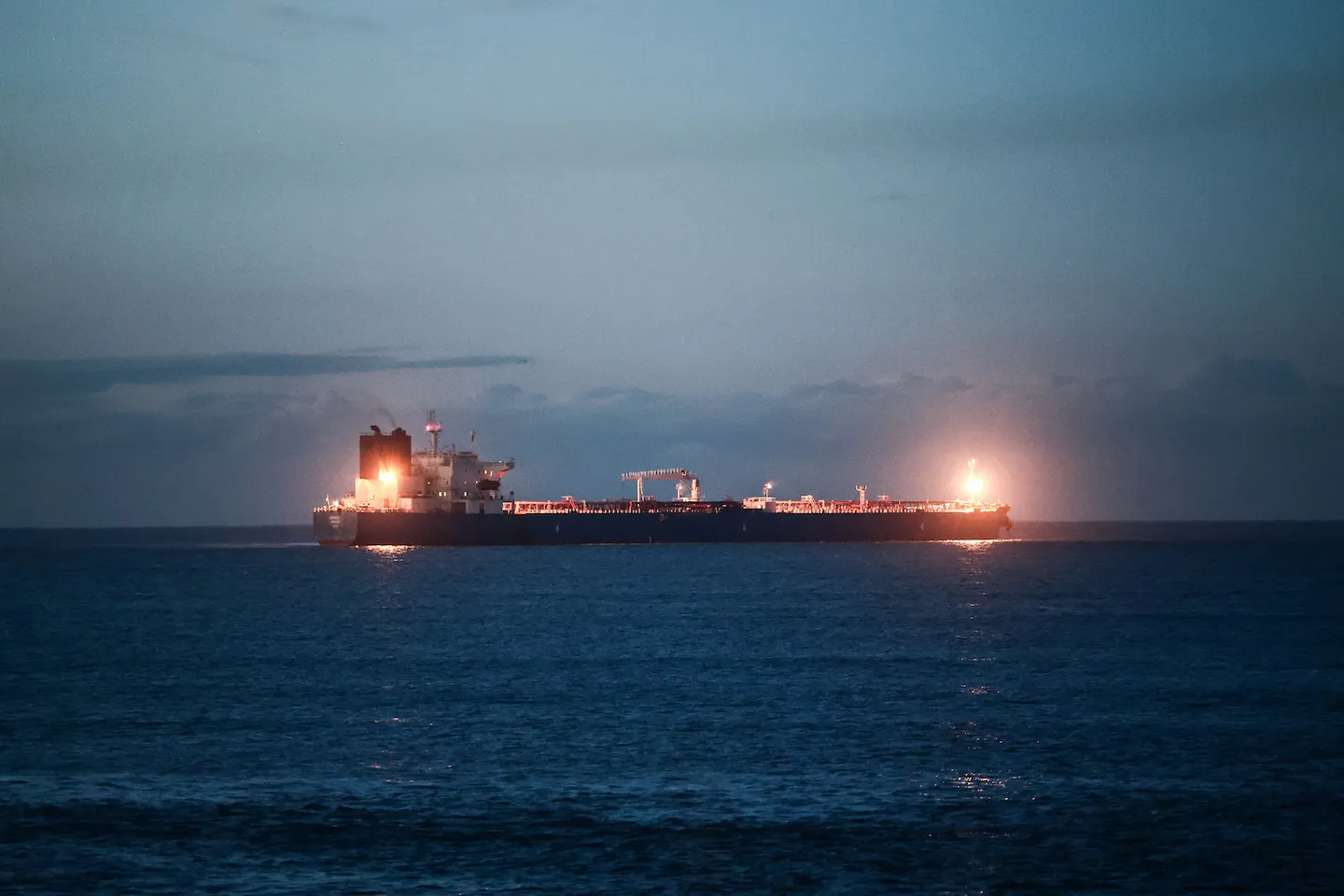
Europe is stepping up pressure on Russian oil shipments in an attempt to cut off the Kremlin's source of funding for the war. As part of a new package of sanctions marking four years of full-scale aggression by the Russian Federation, the European Union is considering a complete ban on maritime services necessary for the transport of Russian oil, including insurance and transportation. Such a move could replace the current price cap model, which has been in place since December 2022, according to the Washington Post.
At the same time, 14 European countries, including the United Kingdom, France and Germany, have warned that they may intercept shadow fleet vessels operating in violation of international maritime law. Europe points out that some of these tankers sail under the flags of jurisdictions with weak control, such as Cameroon or Sierra Leone, and the use of double or false flags in some cases gives grounds to treat the vessel as effectively stateless and to conduct an inspection.
Against this backdrop, fears of falling revenues are growing in Russia. It is noted that Russian oil revenues in January fell by 50% compared to the same month last year after tougher sanctions by the US Treasury Department were imposed in October against Russian oil giants Rosneft and Lukoil. The article states that the sanctions have forced Moscow to agree to ever-increasing discounts of more than $20 per barrel. An additional risk is the signs that India may stop purchasing Russian oil in favour of increasing imports from the US and potentially from Venezuela.
Incidents involving tankers have sent a separate signal to the Kremlin. The article mentions the capture of the tanker Marinera by US forces after weeks of pursuit, despite being escorted by a Russian submarine. It is also reported that the French navy briefly seized another suspicious tanker, the Grinch, which was sailing from the port of Murmansk across the Mediterranean Sea with a cargo of 730,000 barrels of oil under the flag of the Comoros Islands. French President Emmanuel Macron said the ship was under international sanctions and suspected of flying a false flag.
It is estimated that if the new measures are introduced and actually implemented, almost half of Russian oil exports, about 3.5 million barrels per day, which pass through European waters via the Baltic and Black Seas, could be affected. At the same time, the decision to completely ban maritime services requires the unanimous support of all EU countries, and it is not yet clear whether the necessary votes will be obtained.
The risks to transportation are increasing not only because of possible interceptions, but also because of attacks. The article notes that since the end of November, Ukraine has intensified its strikes on the shadow fleet and attacked at least nine tankers using sea and air drones, as well as mines, which increases the cost and danger of logistics for the Russian Federation.
In Russia itself, officials and businesses are increasingly warning of the threat of a crisis in the coming months. The article's sources talk about the risk of a deepening budget deficit without new tax increases, pressure on the banking system due to high interest rates, and corporate borrowing to finance the war. Figures are also mentioned: official inflation is at 6%, while the key rate is held at 16%, and real price processes are estimated to be worse than official figures.
It is separately noted that after the US sanctions, the share of Russian oil production subject to US restrictions has increased to 80%, and the Kremlin has become even more dependent on the shadow fleet to deliver oil to India, Turkey and China. At the same time, sanctions control complicates the market, and new intermediaries are emerging. According to Kpler data collected by the Kyiv School of Economics, two new companies, Redwood Global Supply FZE LLC and Alghaf Marine DMCC, have sharply increased their trade in Russian oil, with Redwood selling 757,000 barrels per day in December and Alghaf selling 174,000 barrels per day, although they did not previously trade in such volumes.
Amid mounting pressure, Russia may be forced to transfer more ships under its own flag, making them easier targets for sanctions. At the same time, such a move could increase the risk of direct confrontation in the event of inspection attempts, as Russia has already declared its readiness to defend its shipping interests from the actions of so-called unfriendly states, including the possibility of military escort.