China attempts to reshape global trade amid Trump's tariff policy

This involves accelerating work on approximately 20 trade agreements, some of which have been under discussion for years. At the same time, concerns remain about overproduction in China, unequal market access and weak domestic demand.
An analysis of more than 100 articles by Chinese trade scholars published since 2017 indicates a systematic attempt to review the approach to US trade policy and neutralise Washington's containment strategy. The study is based on more than 2,000 materials supported by the Chinese Academy of Social Sciences and Peking University.
One of the first agreements in this direction was the deal with Canada during Prime Minister Mark Carney's visit to Beijing in January. It provides for a reduction in tariffs on Chinese electric vehicles. According to Reuters sources, this is part of a broader strategy to weaken US influence.
Diplomats note that if successful, Beijing could change its approach to global trade, taking centre stage in a new multilateral order.
After last year's tough rhetoric, China is now promoting the ideas of multilateralism and open trade. In January, China's top diplomat visited Lesotho, which had previously faced a 50 per cent tariff from the US, and promised cooperation in development. State media also reported the introduction of zero tariffs on imports from 53 African countries.
At the same time, China is stepping up negotiations with Honduras, Panama, Peru, South Korea and Switzerland. Foreign Minister Wang Yi raised the issue of a free trade agreement with the European Union in November. In December, he called on the Gulf Cooperation Council to conclude negotiations on the agreement.
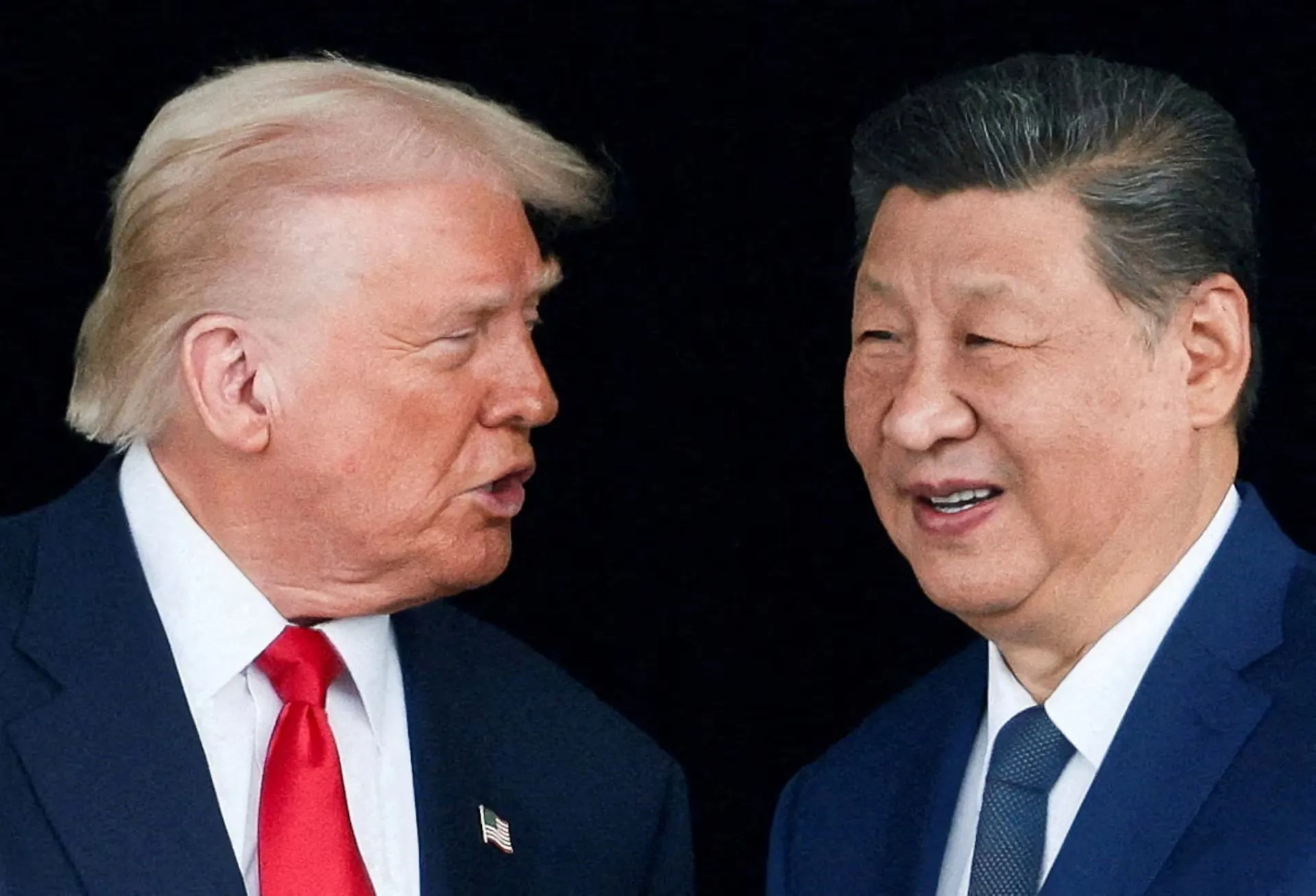
In January, British Prime Minister Keir Starmer and Xi Jinping agreed to begin exploring the possibility of a trade agreement in the field of services. German Chancellor Friedrich Merz announced his intention to seek strategic partnerships with China.
At the same time, China's large trade surplus of $1.2 trillion is a cause for concern. Some countries fear that Chinese manufacturers will take advantage of expanded access to sell surplus products.
China is also seeking to join the Comprehensive and Progressive Agreement for Trans-Pacific Partnership. The pact originated as the Trans-Pacific Partnership, which was supported by the United States until its withdrawal in 2017.
Experts note that growth in domestic consumption in China is important for trading partners. Trade Minister Wang Wentao said that increasing imports is a priority in the preparation of the new five-year plan.
At the same time, the process of rebalancing the economy is a long-term one. Trump has three years left in office, after which the new administration may return to a policy of forming coalitions to contain China.