Magnetic storms in June 2026: forecast and dates to watch out for

This is indicated by data from the NOAA Space Weather Prediction Centre.
According to preliminary forecasts, there may be several periods of heightened geomagnetic activity in June 2026.
The following dates may be particularly active:
1–3 June;
5–7 June;
11–14 June;
18–21 June;
26–29 June.
During these periods, short-lived magnetic storms of low intensity or noticeable fluctuations in the magnetosphere are possible. On other days, the geomagnetic situation is expected to be relatively stable, according to preliminary estimates.
What NOAA is forecasting
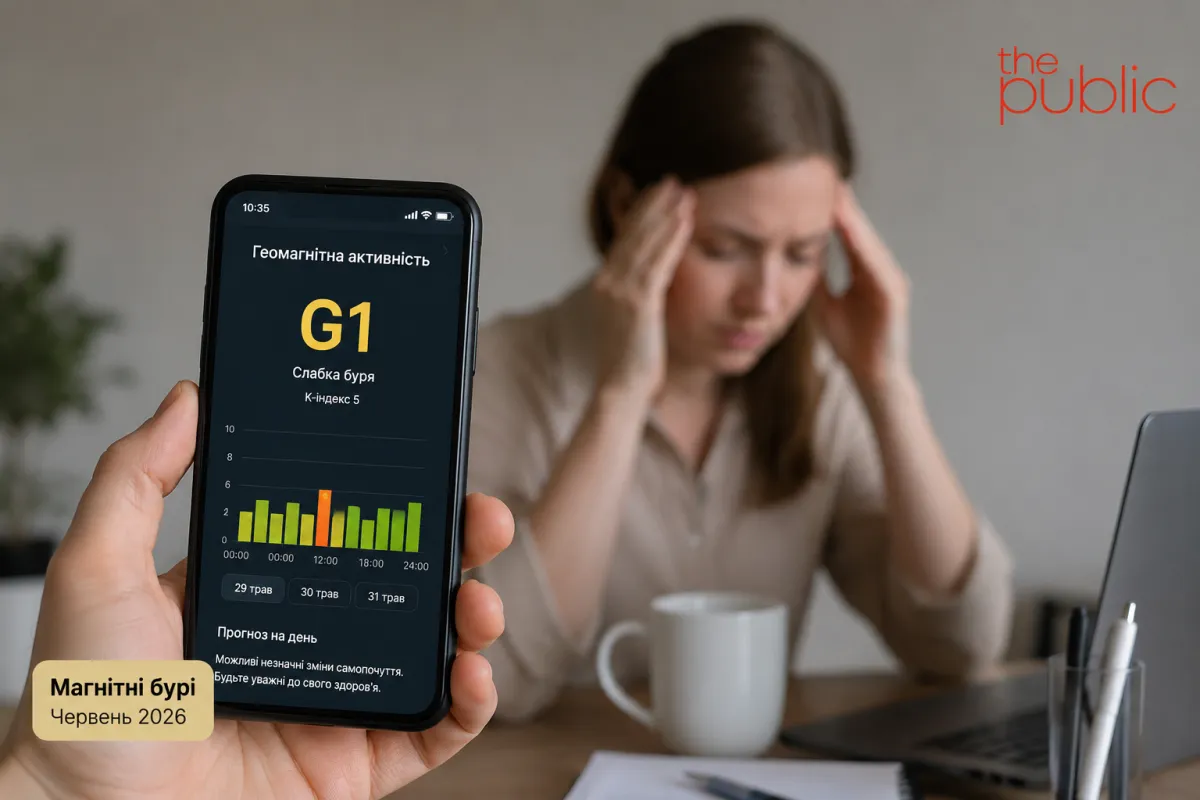
NOAA’s Space Weather Prediction Centre reports that geomagnetic storms are classified on a scale from G1 to G5. A G1 storm is considered a weak storm and may cause minor fluctuations in power grids, affect satellite operations and radio communications at high latitudes.
In early June, NOAA also issued a warning about a strong G3-level geomagnetic storm on 4–5 June due to the expected approach of several coronal mass ejections towards Earth.
However, long-term forecasts of magnetic storms are only indicative. More accurate data usually becomes available a few days or hours before the event, when experts can observe the actual parameters of the solar wind and the direction of the magnetic field.
Why do magnetic storms occur?
Magnetic storms are caused by solar activity. The geomagnetic environment is influenced by solar flares, coronal mass ejections and solar wind flows.
Due to the Sun’s rotation, individual active regions may return to face the Earth again after approximately 27 days. This is why periods of heightened activity sometimes recur in waves.
How magnetic storms can affect your well-being
During periods of heightened geomagnetic activity, some people may complain of tiredness, headaches, irritability, mood swings or sleep problems.
Such discomfort is most commonly reported by people who are sensitive to weather changes, as well as those with chronic cardiovascular conditions.
However, a deterioration in well-being should not automatically be attributed solely to magnetic storms. If symptoms are severe or recurring, you should consult a doctor.
What to do during magnetic storms
On days of heightened geomagnetic activity, it is advisable to maintain a regular sleep pattern and avoid exhaustion and excessive physical exertion.
It is also advisable to drink plenty of water, get plenty of rest, spend time outdoors and limit alcohol, excessive caffeine and heavy meals.
People with cardiovascular conditions should monitor their well-being more closely and not ignore any sudden deterioration in their condition.
Solar activity in 2026 remains elevated as the 25th solar cycle continues. On 23 June, NOAA reported a large group of sunspots that was due to re-enter the field of view from Earth on 24 June, after which experts would be able to assess its activity in more detail.
Follow us on Telegram