“We’re not a chunk of ice”: Greenland responds to Trump following his latest comments about the island

Nielsen made these remarks in comments to Reuters following Trump’s latest statement on Greenland, against the backdrop of renewed tensions between the US and NATO.
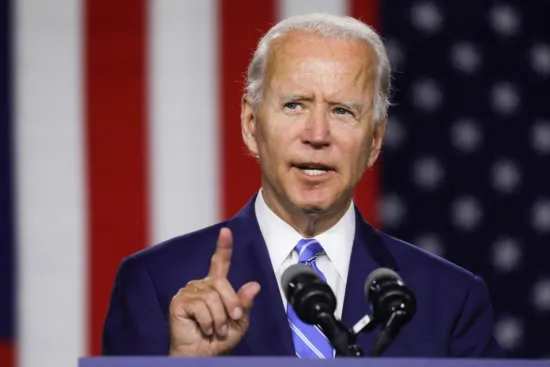
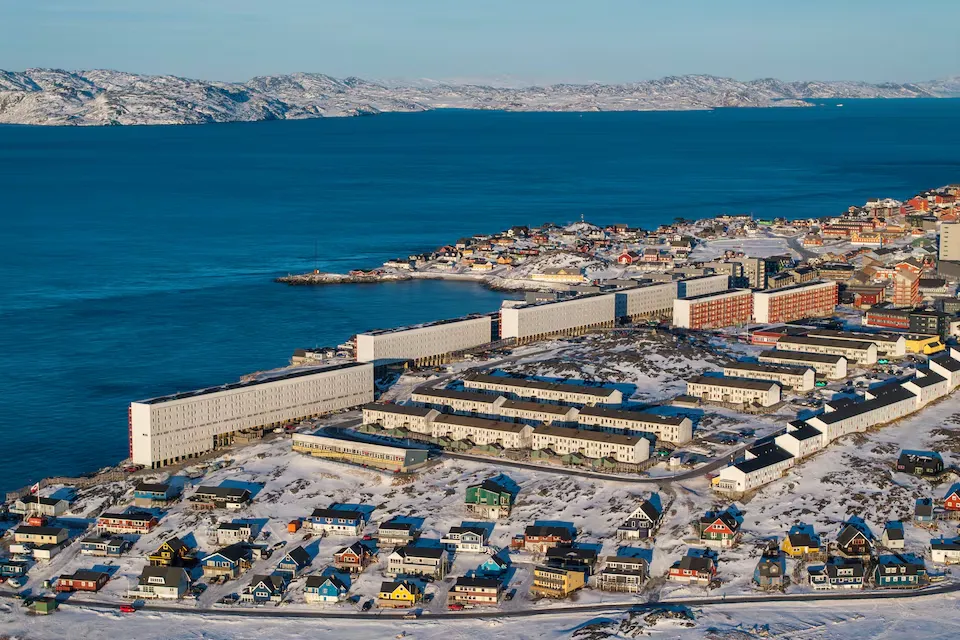
The latest flare-up over Greenland began after Trump, criticising NATO for the allies’ unwillingness to join his war with Iran, once again mentioned the island in a post. It was then that he described Greenland as a “big, poorly run chunk of ice”. This phrase quickly provoked a reaction in Nuuk.
Nielsen responded sharply and as simply as possible: “We are not just a chunk of ice.” He emphasised that Greenland is a “proud population” of 57,000 people who work every day as responsible global citizens and treat their allies with respect. Separately, the Prime Minister stressed that fundamental principles – international law, NATO and the post-war geopolitical order – are now being called into question, and therefore allies must unite to preserve them.
For Ukrainian readers, this story is significant not merely as yet another bizarre remark from Trump. It forms part of a longer-running conflict that has been ongoing for several months. Back in January, Reuters reported that Trump had once again insisted that the US ‘needs’ Greenland, and that Denmark was allegedly unable to guarantee the island’s security. This sparked a wave of solidarity with Denmark across Europe, and the issue of Greenland itself became a source of tension within NATO.
The conflict then only grew. In February, NATO even launched the Arctic Sentry mission to bolster its presence in the Arctic and partially ease the tension caused by Trump’s statements on Greenland. The Alliance directly linked this increased activity to the new disputes surrounding the island, which is of strategic importance due to the Arctic, military logistics and future access to resources.
Trump himself has not actually abandoned his intentions. Reuters notes that even after talks with NATO Secretary General Mark Rutte and a partial retreat from the most extreme scenarios, he continued to hint at an interest in Greenland. At the same time, US politics saw the promotion of claims of “white genocide” in South Africa and other contentious foreign policy messages, which only heightened the allies’ unease.
Nielsen’s current response is significant not least because it comes across not as an emotional insult, but as a political signal. Greenland is showing that it does not wish to be either a symbol for someone else’s domestic politics or a “piece of ice” in American disputes with NATO. And this, it seems, is becoming the island’s new line of defence – to speak of itself not as a territory, but as a society with its own dignity and the right to determine its own destiny.