The Ministry of Culture presented a step-by-step algorithm for returning stolen cultural property

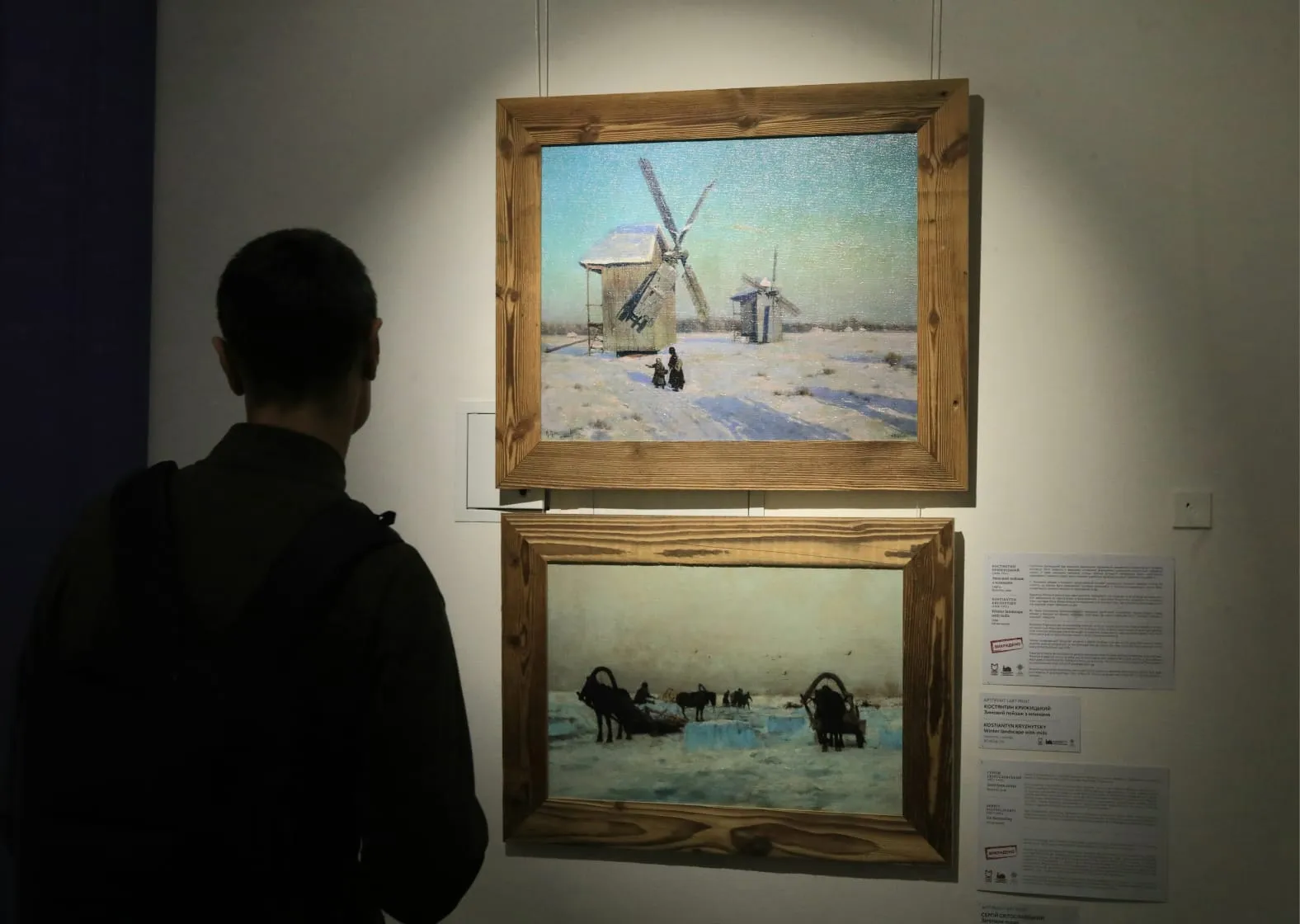
The first meeting of the Interdepartmental Working Group on the Return of Cultural Property to Ukraine was held at the Museum of the History of Kyiv. During the meeting, the Ministry of Culture of Ukraine presented a detailed algorithm of actions for searching for, locating and returning stolen cultural heritage objects.
The work is coordinated by the Ministry of Culture in cooperation with the Office of the Prosecutor General, the Security Service of Ukraine (SBU), the Bureau of Economic Security (BEB), the National Police of Ukraine, the Foreign Intelligence Service of Ukraine, the State Customs Service, the Ministry of Foreign Affairs (MFA), and the Ministry of Justice (MJ). Representatives of the museum community, public organisations, and international partners are also involved in the process.
The participants discussed mechanisms for recording and documenting losses from the state-owned part of the Museum Fund of Ukraine, summarised the results of joint activities over four years of full-scale war, and identified further steps to locate and return stolen items.
Particular attention was paid to the formation of an evidence base within the framework of criminal proceedings for crimes against cultural heritage. They discussed cooperation between the Ministry of Culture, the Office of the Prosecutor General and the National Police to place museum items on an international wanted list through Interpol (International Criminal Police Organisation), as well as the coordination of information between the Register of the Museum Fund of Ukraine, other state resources and international platforms.
Deputy Minister of Culture of Ukraine Ivan Verbytsky emphasised that the issue of returning cultural property is one of the priorities of state policy. He stressed that Ukraine suffered significant losses both during World War II and as a result of the full-scale invasion by the Russian Federation in 2022 — in particular, through the looting of museums, archives and libraries, and the illegal seizure and removal of cultural objects.
According to Verbytsky, the strategic guidelines are set out in the Strategy for Cultural Development until 2030 and the operational plan for its implementation for 2025–2027. One of the key objectives of the document is to protect and preserve cultural heritage and cultural property.
To achieve this goal, the Ministry of Culture is implementing a number of strategic tasks, including:
-
the introduction of an electronic system for the Register of the Museum Fund of Ukraine;
-
creating a list of stolen museum items and determining mechanisms for declaring them wanted nationally and internationally;
-
integration into international databases, including the Interpol database;
-
bringing Ukrainian legislation into line with international and European law in the field of the movement of cultural property.
Ivan Verbytsky presented a step-by-step algorithm of actions, which includes: searching for stolen objects, establishing their location, confirming their ownership by Ukraine, conducting an investigation and returning them to the territory of the state. He also outlined the mechanisms for coordination between the authorities involved.
Since 2022, Ukraine has been consistently developing a comprehensive system for the protection of cultural heritage. That year, the Emergency Red List – Ukraine was prepared, a list of categories of cultural property at increased risk.
In 2023, the preparation of forms for posting notices on Interpol regarding stolen exhibits from the Oleksii Shovkunenko Kherson Regional Art Museum began.
In 2024, the United States of America imposed restrictions on the import of items of ethnographic and archaeological heritage from Ukraine until 5 March 2029. That same year, a specialised unit for the protection of cultural heritage was created within the Armed Forces of Ukraine.
In 2025, Ukraine ratified the Council of Europe Convention on Offences Related to Cultural Property. A bilateral screening with the European Commission was also held on Sections 1 "Free Movement of Goods" and 29 "Customs Union". Ukraine submitted information to the UNESCO Virtual Museum of Stolen Cultural Property about six stolen exhibits from two museums in Kherson and imposed sanctions on individuals and organisations involved in the illegal removal of national treasures from the temporarily occupied territories. In the same year, the Strategy for the Development of Culture until 2030 was approved, and an experimental project to create the Register of the Museum Fund of Ukraine was launched.
In 2026, reports appeared in the Interpol international database about approximately 90 stolen items from the Oleksii Shovkunenko Kherson Regional Art Museum.
Deputy Minister of Culture for Digital Development, Digital Transformation and Digitalisation Anastasia Bondar said that the Register of the Museum Fund of Ukraine continues to be improved, taking into account the needs of law enforcement agencies and international cooperation. Some of the information in the register will have restricted access and will only be available to authorised bodies.
According to her, the Register should become a central database for museums, law enforcement agencies and international partners. The information in it will be presented in Ukrainian and English with correct transliteration to avoid inaccuracies during international searches.
It is expected that the implementation of the defined strategic tasks will ensure the creation of an effective system for searching for and returning illegally exported cultural property, the formation of a public national list of stolen items, the placement of relevant notifications through the Interpol information system, the implementation of the provisions of Directive 2014/60/EU into Ukrainian legislation, and the systematic preparation of evidence for the return of cultural property to Ukraine.
The Ministry of Culture emphasised that the process of returning stolen objects is a long-term and complex undertaking. Its effectiveness depends on a combination of legal mechanisms, modern digital tools, international cooperation and constant coordination between state bodies, experts and civil society organisations.