Netanyahu stated that Iran had lost the ability to enrich uranium and produce missiles

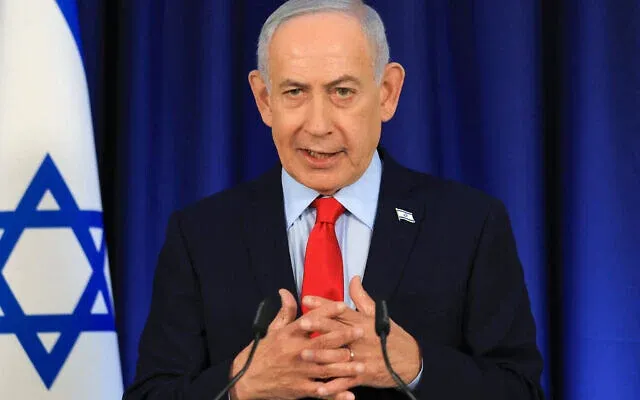
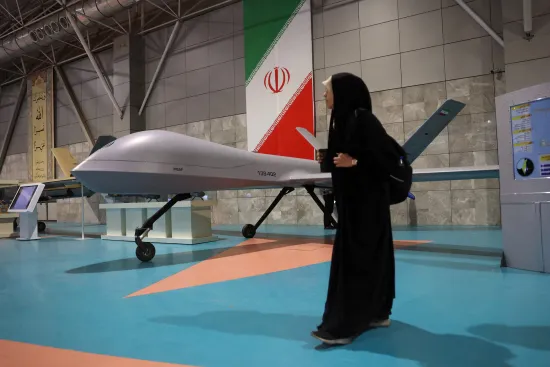
During a press conference in Jerusalem, Benjamin Netanyahu stated that Iran “currently has no capacity to enrich uranium and no capacity to produce ballistic missiles”. According to him, Israel continues to destroy these capabilities. This was reported by The Public, citing The Times of Israel.
“We continue to destroy these capabilities. We will reduce them to dust,” he said.
The Prime Minister also stated that Iran is “weaker than ever”, whilst Israel remains a regional power. According to him, the destruction of the production base that facilitates the manufacture of missiles and components for nuclear weapons is currently underway.
A few hours after the speech, Iran fired a series of missiles at Israel. Air raid sirens sounded across various parts of the country.
Netanyahu stated that he was unsure who was currently in charge of Iran, citing tensions within the leadership. He also noted that Israel would continue to strike at the leadership, regardless of any changes in leadership.
The Prime Minister emphasised that Israel is creating the conditions for possible changes in Iran’s leadership, but the final decision rests with the Iranian people. He also did not rule out the possibility of a ground operation in future actions.
Netanyahu did not specify a timeframe for the end of the war, noting that it would last “as long as necessary”, but could end sooner than expected.
At the same time, he stated that Israel is refraining from further strikes on Iran’s gas infrastructure at the request of US President Donald Trump. According to him, Israel carried out the strike on the Asaluyeh gas complex independently, and further attacks have been suspended.
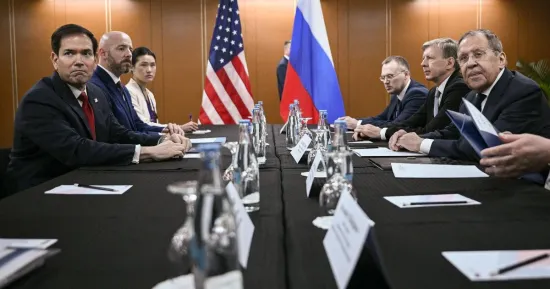
US President Donald Trump stated that he had asked Israel not to attack Iran’s energy facilities. At the same time, US sources noted that Washington had known about the strike in advance and had approved it.
US Defence Secretary Pete Hagset described the strike on the South Pars field as a “warning” and called on Iran to cease attacks on the energy infrastructure of Gulf states.
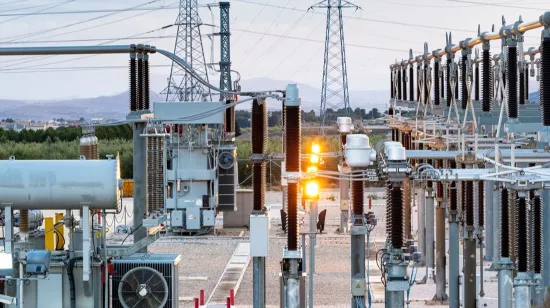
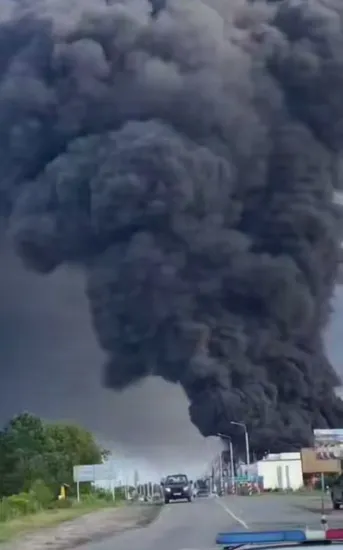
Following Israel’s strikes, Iran continued to launch drones and missiles at countries in the region, particularly at energy facilities. In particular, strikes on Ras Laffan caused damage and fires at liquefied natural gas plants.
There are also reports of drones being intercepted as they headed towards gas facilities in Saudi Arabia.
The report notes that Iran has effectively blocked the Strait of Hormuz, through which a significant portion of the world’s oil supplies passes.
Netanyahu has stated the need to establish alternative energy supply routes, in particular pipelines across the Arabian Peninsula to the Mediterranean Sea.