New Greek tankers join Russian oil transport for the first time

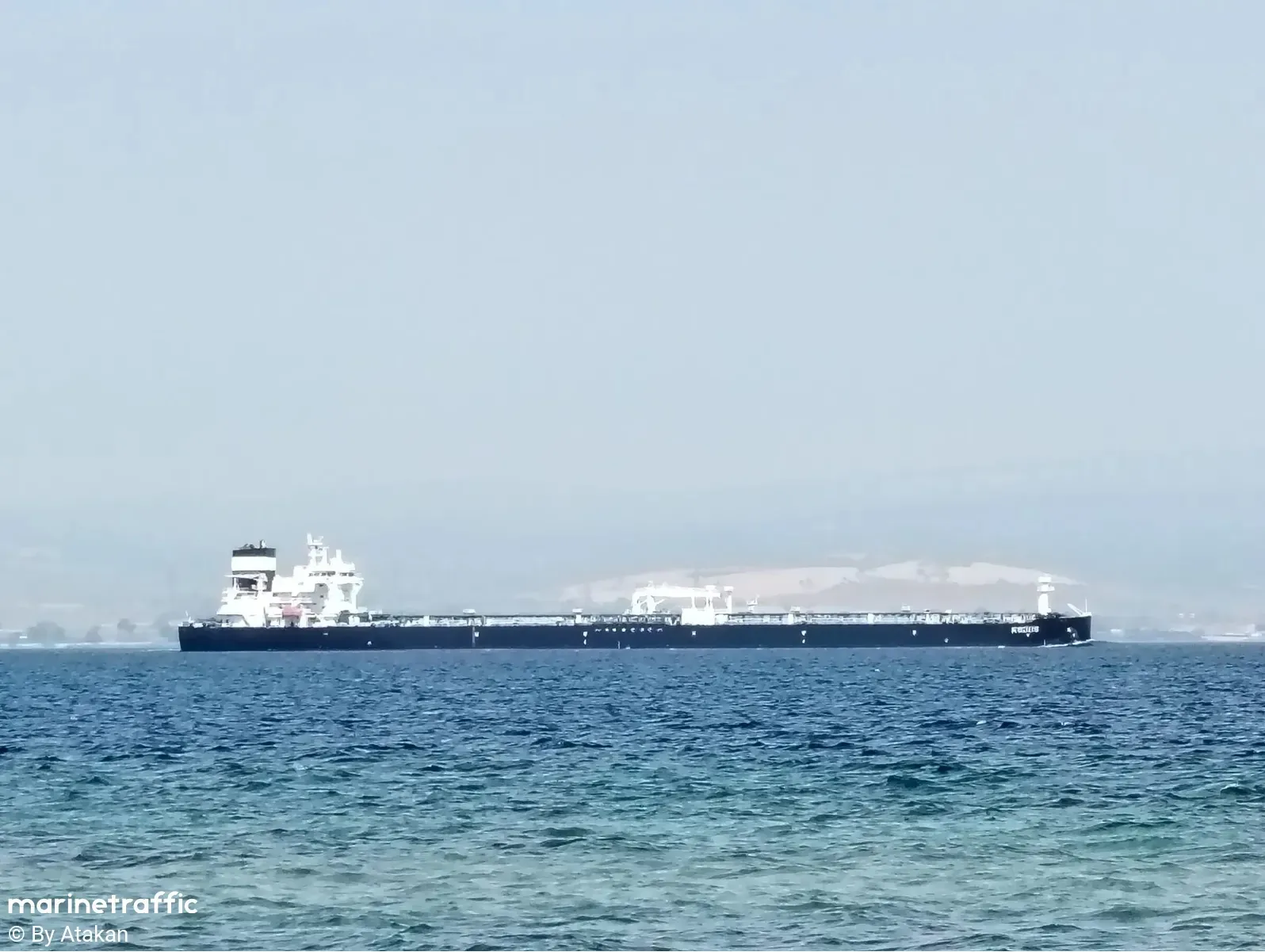
A sharp increase in sea freight rates at the end of 2025 led to an unusual move in the market. Some Greek shipowners began using new tankers to transport Russian oil, according to Bloomberg. Previously, these shipments were usually carried out by older vessels that were nearing the end of their regulatory service life.
The situation changed after the US and the European Union added hundreds of tankers involved in the Russian oil trade to their sanctions lists. This sharply reduced the supply of available vessels and pushed freight rates up. Despite the reputational risks and threat of sanctions, the high profits proved to be a sufficient incentive for some companies.
Transporting Russian oil is not formally prohibited, provided that the price cap is observed, but such voyages often do not receive support from Western insurance companies. As a result, the market has long been served by the so-called shadow fleet. At the same time, the sanctions caused Russian oil prices to fall and created a certain buffer against violations of the restrictions, which gave Greek owners confidence.
Dynacom Tankers Management and Capital Ship Management have deployed their newest vessels for transport. According to Argus Media, at the end of December, the average rate for transporting Urals crude oil from the port of Primorsk to the west coast of India exceeded $60 per tonne. For comparison, at the beginning of last year, this figure was around $25.
Capital Ship Management's tanker Argeus I recently delivered more than 700,000 barrels of Urals oil to the Indian port of Paradip, its first voyage with Russian raw materials. This month, the tanker Rodos arrived with cargo in China, and in December, Samothraki delivered oil to the port of Vadinar in western India. Both vessels are operated by Dynacom, which previously used much older tankers for such routes.
Analysts note that the use of new vessels carries additional risks, in particular due to the possible refusal of insurers. At the same time, according to Angeliki Kemen, head of market strategy at Optima Shipping Services in Athens, the risk-reward ratio remains attractive. In her opinion, this indicates the stability of Russian oil trade even under sanctions.
US, EU, shadow fleet, US, Europe, Greece, Russia