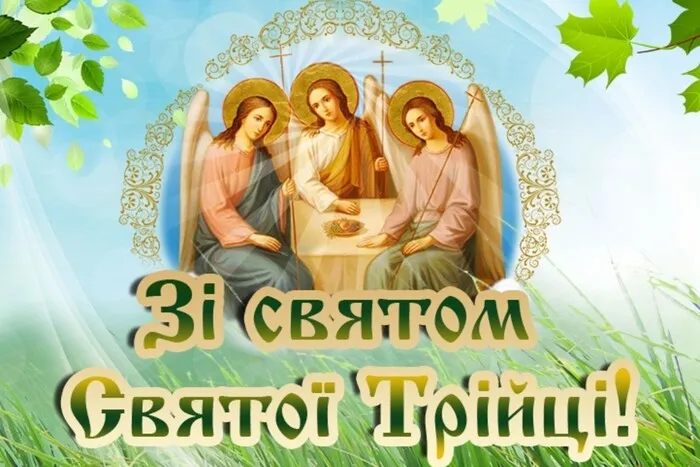
On 31 May, believers celebrate Trinity Sunday: traditions and folk customs

This is reported by TSN
The history of the church holiday
According to biblical tradition, it was on this very day that the Holy Spirit descended upon the apostles. After this, they were able to preach in various languages and began to spread Christian teachings throughout the world. In the church tradition, this event is considered the birthday of the Christian Church. In Ukraine, Trinity Sunday is also known as the Green Holidays. Since ancient times, homes have been decorated with green branches, cattails and fragrant herbs, which symbolise life, renewal and God’s grace. On this day, believers also honour the memory of the Venerable Jeremiah and the Holy Martyr Jeremiah.
What not to do and what superstitions exist
In folk tradition, on Trinity Sunday it was not recommended to engage in heavy physical labour, to quarrel, to use foul language, or to refuse help to those in need. Our ancestors also considered it inauspicious to move house or begin important matters involving a change of residence. At the same time, the day was considered favourable for prayer, attending church, meeting with relatives and charitable giving.
Among the folk omens for 31 May:
- warm and sunny weather foretells a hot and bountiful summer;
- rain on Trinity Sunday promises a good harvest and plenty of moisture in summer;
- a sudden change in the weather indicates a changeable summer;
- a clear morning is considered a sign of favourable weather in the coming days.
According to folk tradition, Yerma-Bobivnyk Day was associated with the planting of legumes. Farmers also paid special attention to their horses — they bathed them, fed them well and took them out to pasture, believing that this would give the animals strength and stamina.
Follow us on Telegram