Donald Trump’s inner circle is suspected of exploiting the war for personal gain

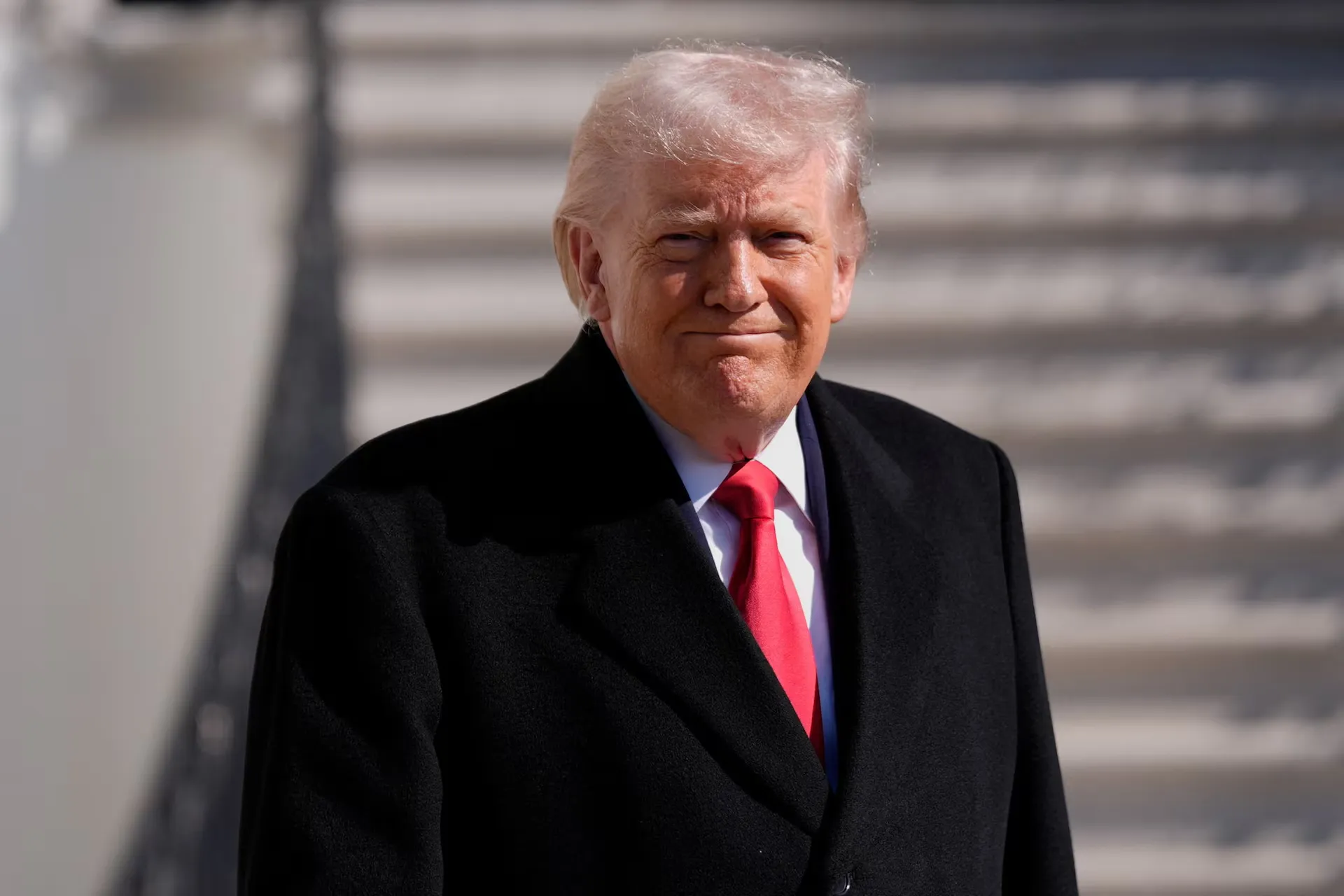
Trading on 8 April sparked a fresh wave of concern. According to Reuters, investors sold 8,600 contracts for Brent and US crude worth approximately $950 million just hours before Donald Trump announced a two-week ceasefire between the US and Iran. Following this announcement, oil futures fell by around 15 per cent, dropping below $100 a barrel at the start of trading.
The agency also noted that such a deal was unusual in the way it was executed. Large positions in the oil market are not uncommon in themselves, but traders usually split them into smaller parts and route them through different exchanges and algorithmic systems so as not to influence the price. Moreover, such large transactions are rarely concluded after the settlement time.
Reuters notes that a similar situation occurred on 23 March. On that occasion, investors sold oil futures worth approximately $500 million 15 minutes before Donald Trump announced the postponement of strikes on Iran’s energy infrastructure. Following this, according to the agency, the price of oil also fell by around 15 per cent.
CBS News, citing data from Bloomberg News and the Financial Times, reports that on 23 March between 6:49 and 6:50 am, around 6,200 Brent and West Texas Intermediate contracts worth $580 million were traded. This occurred just minutes before Donald Trump’s post on Truth Social regarding ‘productive’ talks with Iran. By comparison, the average trading volume at the same time over the previous five trading days was around 700 contracts.
Experts interviewed by CBS said that such synchronisation raises questions. Stephen Pipgrace, a partner at the law firm Troutman Pepper Locke, said that the sharp spike in trading volumes prior to the post was “enough to raise eyebrows” and warrant an investigation. Ben Schifrin, director of securities policy at Better Markets, described the timing of the trades as suspicious and noted that a problematic explanation could be prior knowledge of the forthcoming statement before its release.
CBS also notes that no major public events were scheduled that morning that could in themselves explain such a sharp spike in activity. Economist Paul Krugman also drew attention to this, writing that in the absence of a public catalyst, such market behaviour appears unusual. At the same time, the article emphasises that it is not known for certain whether these trades were executed by people or by automated trading algorithms.
Activity on betting platforms attracted particular attention. In particular, bets were placed on the possible arrest of Venezuelan President Nicolás Maduro. According to the data cited, one user earned over $400,000 by betting on the scenario of his arrest by US special forces.
Bets linked to the possible assassination of Iranian leader Ali Khamenei also yielded profits. According to journalists, several accounts earned a total of over $1.2 million, topping up their balances shortly before the air strikes on Iran.
US Defence Secretary Pete Hagseth has also been drawn into the debate over the possible use of classified information. According to the Financial Times, people in his inner circle were exploring the possibility of major investments in the defence sector in the run-up to the war. The Pentagon has dismissed these allegations.
April 2025 is also mentioned separately, when Donald Trump advised buying shares immediately after the stock market opened, and later that same day suspended tariffs for most countries. Following this, the market rose, and Democrats raised the possibility of an insider trading scandal.
Senator Chris Murphy described the situation as “outrageous corruption”. Meanwhile, the White House stated that it would not allow the use of insider information for the personal enrichment of officials.
Against the backdrop of the war with Iran, the oil market has become significantly more volatile overall. Reuters reports that investors are increasingly basing their short-term strategies on Donald Trump’s decisions and statements regarding Iran, rather than on long-term macroeconomic expectations. According to the agency, over the past four weeks, daily trading volumes in Brent have exceeded 1 million contracts, whereas in the three years prior to the war, the average daily volume stood at around 300,000 contracts.
Thus, the published data records unusually large transactions in the oil market immediately prior to Donald Trump’s statements regarding Iran, as well as suspicious activity on betting platforms. At the same time, the materials cited do not provide direct evidence that these transactions were carried out by government officials or individuals with access to the president’s confidential decisions.
Follow us on Telegram