The decline in energy revenues is putting increased pressure on Russia's economy

Russian President Vladimir Putin has proposed large-scale joint investment projects with the United States, which, according to him, could reach $14 trillion. He also announced the possibility of Russia's return to the US dollar-based international financial system, from which the country was effectively cut off after its currency reserves were frozen at the start of the war and sanctions were imposed.
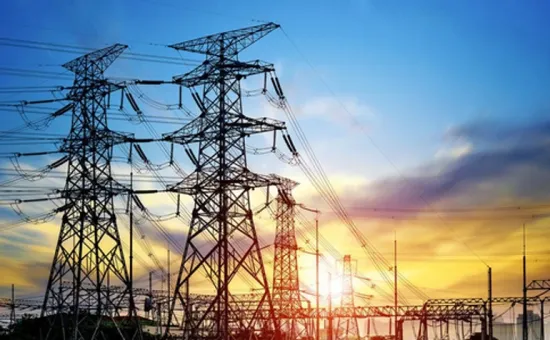
Before the invasion of Ukraine, the Russian economy was heavily dependent on oil and gas exports, which accounted for almost half of the state budget's revenues. According to the independent research group Centre for Research on Energy and Clean Air, Russia's revenues from crude oil exports are now 27 per cent lower than before the war. Over the past 12 months, they have fallen by 18 per cent, or approximately $143 billion. Oil exports have fallen by 6 per cent.
Last year, the US imposed sanctions on Russia's two largest oil companies and threatened financial restrictions on importers of Russian oil. Following this, oil refineries in India and, to a lesser extent, China reduced their purchases.
Over the past 12 months, according to the Centre for Research on Energy and Clean Air, imports of fossil fuels from Russia to the European Union amounted to €14.5 billion. This is 36 per cent less than a year earlier.
The price of Urals crude oil traded at just over $40 per barrel last week, more than $26 below the price of Brent.
The decline in energy revenues reduced their share of total budget revenues to about 24 per cent. In 2026, Moscow projected a budget deficit of about 2.6 per cent of GDP.
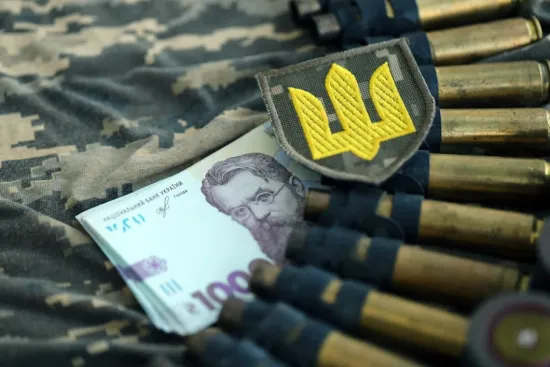
Military and security spending accounts for about 40 per cent of government expenditure. With limited access to international debt markets, Russia is raising taxes and using liquid assets from its sovereign wealth fund. Before the invasion, it had about $113 billion in liquid assets, now it has about $55 billion.
The International Monetary Fund forecasts Russia's economy to grow by 0.8 per cent this year. The central bank is keeping its key rate at 15.5 per cent to curb inflation, which is around 6 per cent. Value added tax has been raised to 22 per cent.
Economic activity is increasingly concentrated around the military sector, while non-military industries face high interest rates, rising labour costs and limited access to foreign technology and capital. Under these conditions, bankruptcy rates are rising and civilian workers are losing income and jobs.