Negotiations between the US and Iran in Oman began with positive signals

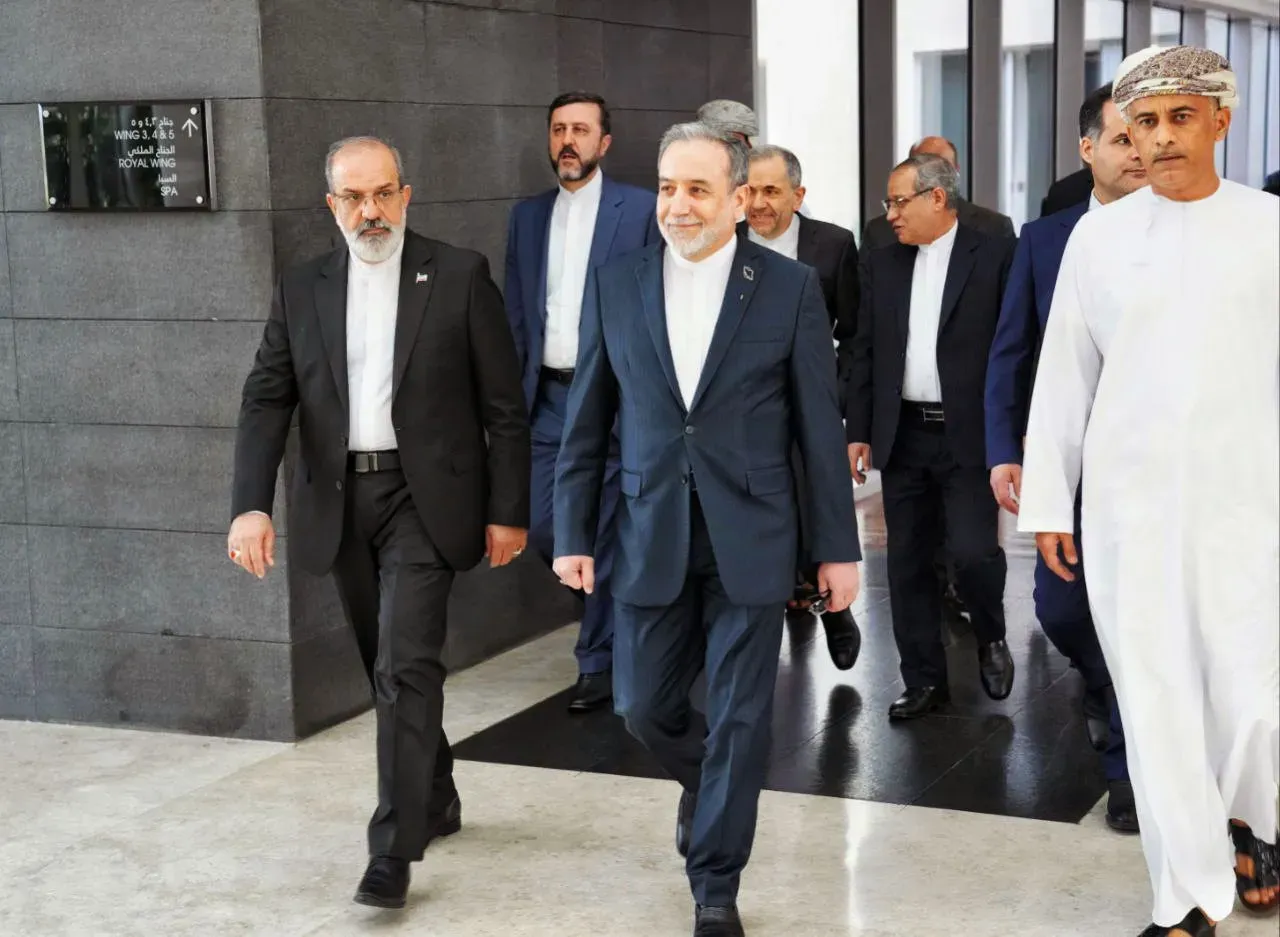
The first day of indirect talks between the United States and Iran aimed at de-escalating tensions and preventing a possible military conflict took place in the Omani capital Muscat. The talks are being mediated by Oman and, according to the Iranian side, have started positively, Bloomberg reports.
Iranian Foreign Minister Abbas Araghchi told state television that the parties had agreed to continue the talks. He said that if the current approach is maintained, Tehran and Washington could reach an agreed framework for further dialogue. He stressed that the discussions remain focused exclusively on nuclear issues, without expanding to other topics.
Oman's Foreign Minister Badr al-Busaidi took part in the talks, holding separate meetings with the Iranian delegation and the American side, which included US Special Envoy Steve Witkoff and Jared Kushner. According to Iranian media, Tehran sought first and foremost to assess the goodwill and seriousness of the US's intentions, and also presented a preliminary plan for managing the current situation.
Following Iran's statements, oil prices temporarily fell. Brent crude fell below $67 per barrel, although oil has risen by about 12% since the beginning of the year due to the risks of a new conflict in the Middle East. The tension also affected shipping in the Strait of Hormuz, through which about 20 million barrels of oil and petroleum products are transported daily.
At the same time, the US administration continues its policy of pressure on Tehran. The State Department has announced new sanctions against 15 companies, two individuals and more than a dozen vessels of the so-called shadow fleet, which, according to Washington, are involved in the transportation of Iranian oil. The American side also called on its citizens to leave Iran or prepare supplies of water and food.
The day before, Iranian security forces reported the detention of two small tankers in the Persian Gulf suspected of fuel smuggling. According to official data, about 6,300 barrels of illegal fuel were found on board the ships.
US President Donald Trump has repeatedly threatened Iran with military strikes in the absence of agreements, while Tehran has warned that any attack could provoke a large-scale regional war involving the US and Israel. Analysts note that despite diplomatic signals, the risk of a forceful scenario remains high.