During the war, Iran suffered significant damage to its military and civilian infrastructure

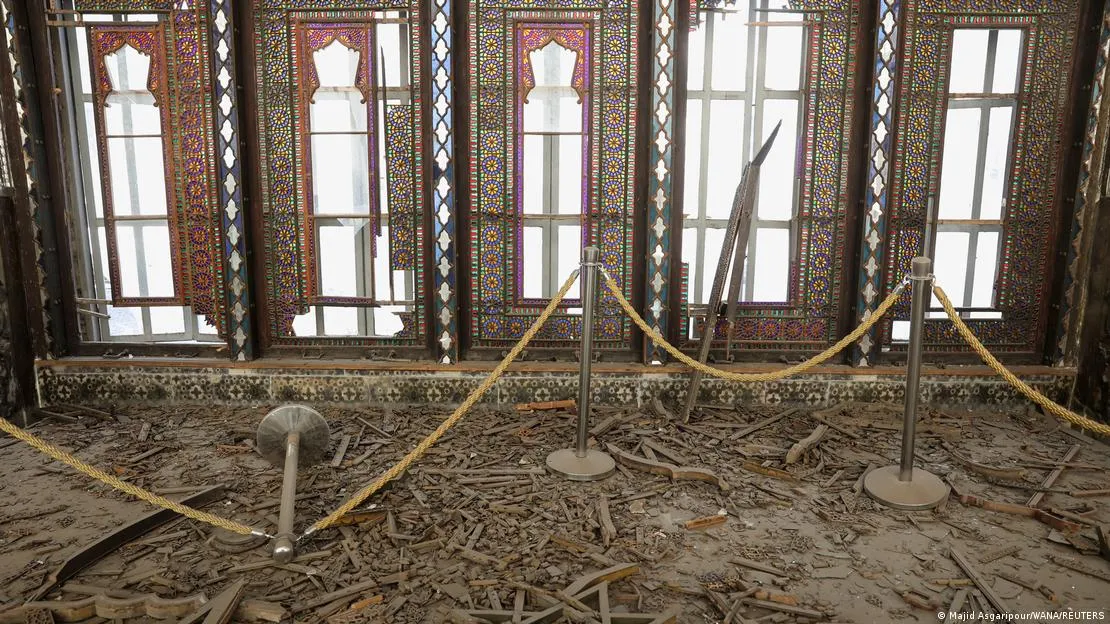
Israel and the US launched a war against Iran on 28 February 2026. During the first month of hostilities, the Islamic Republic’s military infrastructure was severely damaged. In particular, according to media reports, missile and drone manufacturing plants, fuel and energy infrastructure facilities, and numerous launch sites were hit, reports DW.
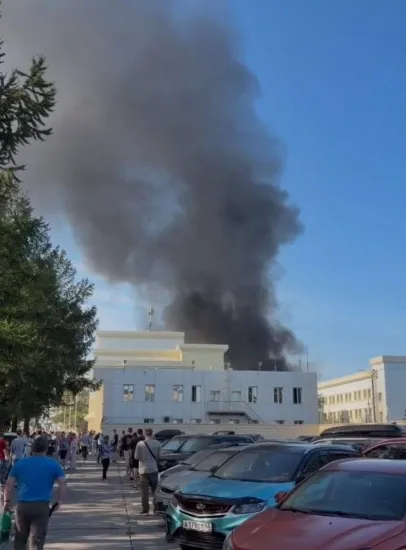
At the same time, the strikes also hit civilian targets. Residential buildings, shops and historical landmarks, including the Golestan Palace, were damaged. Hundreds of civilians, including children, were killed in the shelling, and thousands were injured.
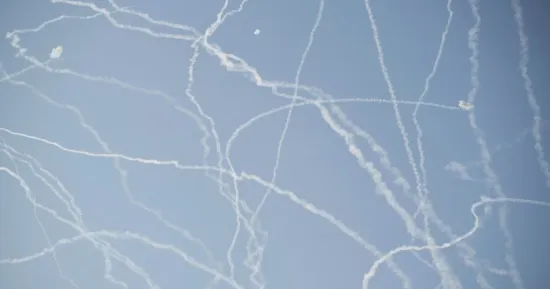
In response, Iran has launched strikes against Israel and US targets in the Gulf states, which have also resulted in casualties and destruction.
According to The Washington Post, in the first month of the war, four key facilities of Iran’s missile programme and at least 29 launch sites were hit. Facilities producing solid and liquid fuel for short- and medium-range missiles were also damaged. The Institute for the Study of War documented strikes on more than 20 missile bases.
Satellite images showed the destruction of dozens of buildings at military sites in Khojir, Parchin, Hakimiya and Shahrood. Some of the underground tunnels where missiles were stored were collapsed or damaged.
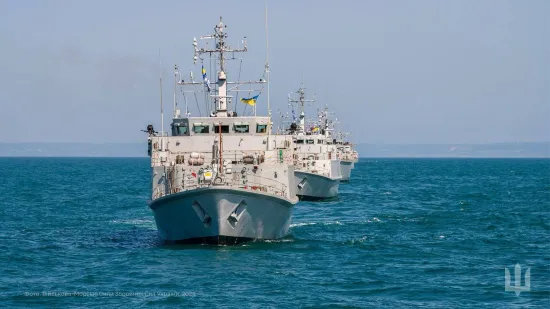
According to AFP, the US military reported that more than two-thirds of Iranian missile and drone production facilities had been hit, and that most shipyards had been damaged. Admiral Brad Cooper, commander of US Central Command, stated that over 10,000 strikes had been carried out against military targets in just under four weeks.
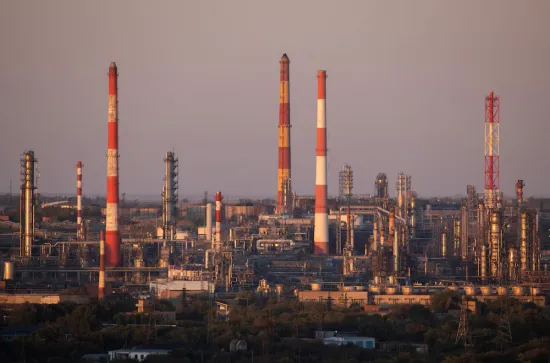
The strikes also affected the energy sector. The South Pars gas field in the Persian Gulf, which is crucial to Iran’s energy supply and provides around 70 per cent of the country’s domestic gas, was particularly hard hit.
According to data from the Iranian Red Crescent Society, released on 29 March, over 100,000 civilian facilities have been damaged or destroyed. In Tehran, nearly 40,000 residential and commercial buildings have been damaged. There are also reports of attacks on around 600 schools and nearly 300 medical centres. There is no independent confirmation of these figures.
According to the dpa news agency, Iran’s Ministry of Health has reported over 1,900 deaths since the start of the war, including 240 women and over 200 children. The number of wounded has exceeded 24,800. The World Health Organisation had previously reported around 1,300 deaths as of mid-March.
Dozens of historical and cultural sites, including palaces, mosques and other landmarks, were also damaged during the bombings. The Golestan Palace in Tehran, which has been on the UNESCO World Heritage List since 2013, was also damaged. In total, damage has been recorded to 131 historic buildings, including 61 sites in Tehran Province and 23 in Isfahan.
Following the outbreak of the war, the Iranian government called on the international community to protect cultural sites. UNESCO reported that it had provided the parties to the conflict with the coordinates of World Heritage sites and other cultural monuments to prevent their destruction.