Russia has lost $1 billion as a result of Ukraine’s strikes on ports in the Baltic

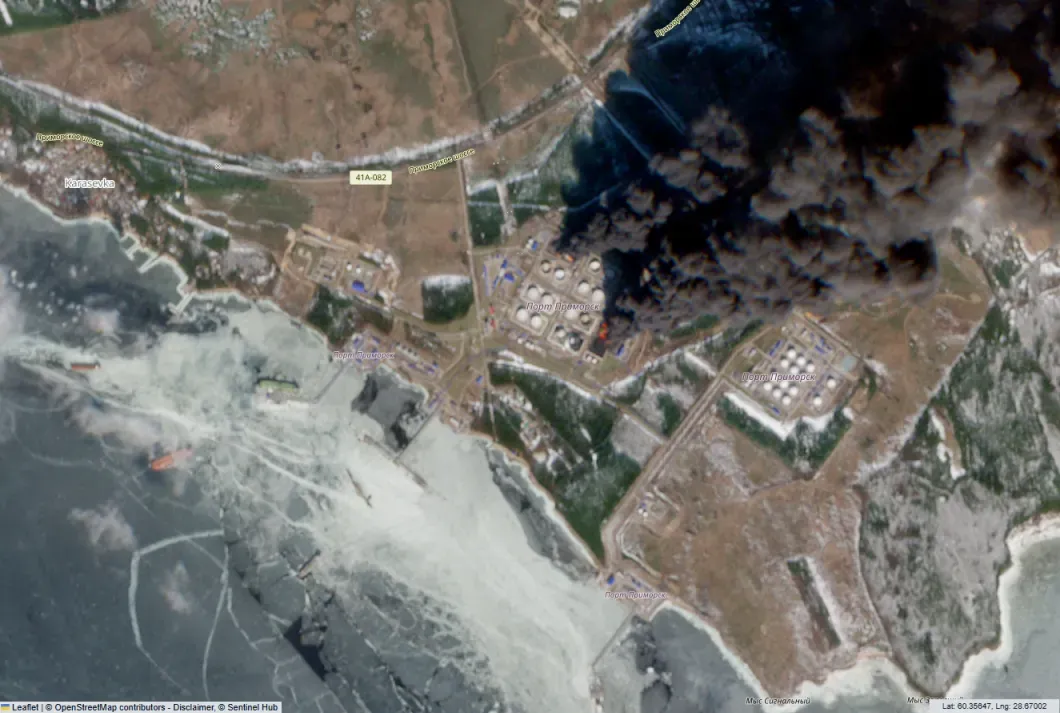
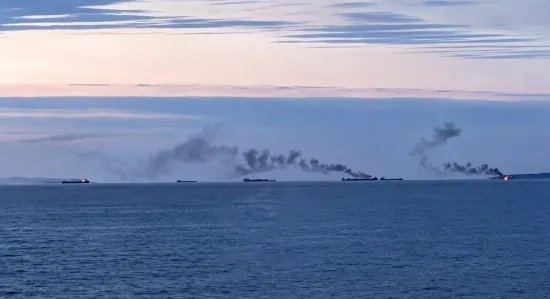
Repeated attacks on oil terminals in Primorsk and Ust-Luga caused tank fires and halted shipments for most of last week. Flows through these ports fell to around a third of the previous week’s level, whilst export revenues fell by more than $1 billion, according to Bloomberg.
Volumes of Russian oil exports by sea in the week to 29 March fell by 1.75 million barrels per day to 2.32 million barrels. This is the lowest figure since February 2025. In total, 22 tankers loaded 16.23 million barrels, compared with 28.5 million barrels across 37 vessels the week before.
The four-week average fell less significantly to 3.31 million barrels per day. The drop came against a backdrop of increased supplies from tankers that had previously been at sea carrying Russian oil. In particular, supplies to India rose to nearly 1.7 million barrels per day.
The attacks took place against a backdrop of rising global oil prices due to the war in the Middle East. Despite the fall in volumes, average export revenue over the four-week period rose to $1.79 billion per week thanks to higher prices.
At the same time, in the week ending 29 March, the value of exports stood at around $1.44 billion, which is $1 billion less than the previous week.
The data also indicates a shift in shipping routes. Tanker shipments are increasingly bypassing the North Sea and the English Channel following the UK’s announcements of its intention to stop and inspect vessels belonging to the so-called shadow fleet. This adds approximately two days to the journey.
In terms of the distribution of shipments, there has been a decline in volumes bound for China and India, whilst the proportion of cargo without a specified destination is increasing. The first shipments of Russian ESPO crude to the Philippines since 2021 have also been recorded.
Overall, attacks on the ports of Primorsk and Ust-Luga have led to the lowest level of exports from these terminals since the start of 2022.