Russia wants to establish a buffer zone in the Vinnytsia region — Presidential Office

Boris Bodnar
Boris Bodnar Journalist
Russia wants to establish a buffer zone in the Vinnytsia region — Presidential Office

Buffer zone in the Vinnytsia region
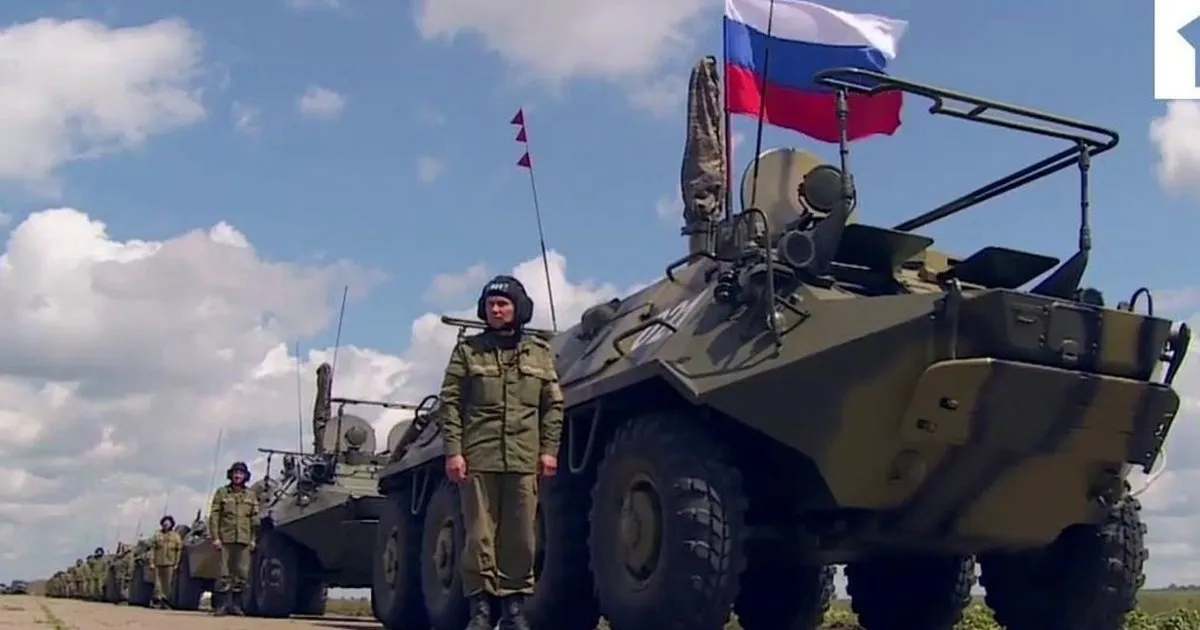
The Russian army wants to establish a buffer zone in the Vinnytsia region on the border with unrecognised Transnistria. Pavlo Palisa, Deputy Head of the President’s Office, said that this is the first time the Kremlin has made such plans, but that he does not yet see the Russians having sufficient forces to carry them out.

Palis revealed this in an interview with RBC-Ukraine.

According to the brigadier general, the Russian army also plans to establish buffer zones in the Kharkiv, Sumy and Chernihiv regions.

Palisa said that in 2026, the Russians’ main focus will be on the Donbas and, if conditions are favourable, on the Oleksandrivka and Zaporizhzhia sectors.

He also emphasised that the Russian military has not abandoned the idea of capturing Zaporizhzhia, the Kherson region, and, in the future, the Mykolaiv and Odesa regions.

Buffer zones in the context of the Russian-Ukrainian war: what is known

On 5 April 2026, Commander-in-Chief of the Armed Forces of Ukraine Oleksandr Syrskyi said that the Russians also want to create a buffer zone in the Dnipropetrovsk region.

US President Donald Trump’s Special Representative Keith Kellogg said in May 2025 that Ukraine had also proposed creating a 30-kilometre demilitarised zone around the front line. However, President Volodymyr Zelenskyy replied at the time that this idea was already “dead in the water”, as it was unclear where to draw the line, and a 15-kilometre withdrawal could lead to the loss of Kherson.

In contrast to Russian plans, Ukraine’s European allies discussed their own version of a buffer zone. This involved a 40-kilometre buffer zone between Russian and Ukrainian positions as part of a peace agreement. However, some countries feared at the time that a buffer zone would merely leave the area vulnerable to a renewed invasion or fresh attacks on Ukrainian cities.
Share tittle
Politics
Eleven countries have called on the EU to tighten restrictions on the issuance of Schengen visas to Russian citizens
Politics

Eleven countries have called on the EU to tighten restrictions on the issuance of Schengen visas to Russian citizens

Eleven European countries have called on the European Commission to tighten entry rules for Russian tourists travelling to the Schengen Area. The countries consider the current control mechanisms to be insufficient and are proposing new restrictions.

05.06.2026
Russia could attack the Baltic states with drones, warns the Commander-in-Chief of the Latvian Armed Forces
Politics

Russia could attack the Baltic states with drones, warns the Commander-in-Chief of the Latvian Armed Forces

Russia has gained an advantage in scaling up its drone production and may use this to exert pressure on NATO’s eastern flank. This assessment was made by General Kaspars Pudans, Commander of the Latvian National Armed Forces.

05.06.2026
Russia is demanding €47 million from Rheinmetall for a contract that it itself terminated due to the occupation of Crimea
Politics

Russia is demanding €47 million from Rheinmetall for a contract that it itself terminated due to the occupation of Crimea

Russia is seeking to recover €47.2 million from the German defence contractor Rheinmetall in relation to a contract for the construction of a military training centre, the implementation of which was suspended following the occupation of Crimea in 2014.

04.06.2026
Estonia wants continued protection for Ukrainians and an entry ban for Russian occupiers
Politics

Estonia wants continued protection for Ukrainians and an entry ban for Russian occupiers

Estonia supports extending temporary protection for Ukrainians in the EU until March 2028 and is advocating for a ban on Russian combatants entering the Schengen Area.

04.06.2026
Which Ukrainian documents will the EU recognise first via ‘Dii’: an assessment by the Ministry of Digital Transformation
Politics

Which Ukrainian documents will the EU recognise first via ‘Dii’: an assessment by the Ministry of Digital Transformation

Ukraine has become the first non-EU country to join Europe’s single digital wallet – and is already testing four documents for recognition abroad.

04.06.2026