Russia has banned the export of aviation fuel until the end of November

The Russian government has introduced a temporary ban on the export of aviation fuel, which will remain in force until 30 November 2026. This was announced on 1 June by the Russian government’s press service, according to DW.
It is noted that the aim of the decision is to ensure the stability of the domestic fuel market.
The restrictions also apply to aviation fuel purchased through exchange trading. However, exceptions have been made for fuel stored in aircraft tanks during flight, consignments of jet fuel cleared under customs procedures prior to the decree coming into force, and supplies under intergovernmental agreements.
Russia exports aviation fuel mainly by rail to Central Asian countries. The main destinations are Kazakhstan, Kyrgyzstan, Tajikistan and Uzbekistan.
Back on 28 May, Russian Energy Minister Sergei Tsivilov stated during the Eurasian Economic Union summit in Kazakhstan that exports of aviation fuel were continuing. At the same time, he noted that further developments would depend on the circumstances.
The ban on jet fuel exports has become yet another restriction on the Russian fuel market. Petrol exports are already completely closed to all market participants, whilst the export of diesel fuel, marine fuel and gas oils is permitted only for producers.
There is also a shortage on the global aviation fuel market. Following the closure of the Strait of Hormuz during the war in the Middle East, airlines had unsold tickets for May amounting to around two million at the end of April compared to initial plans.
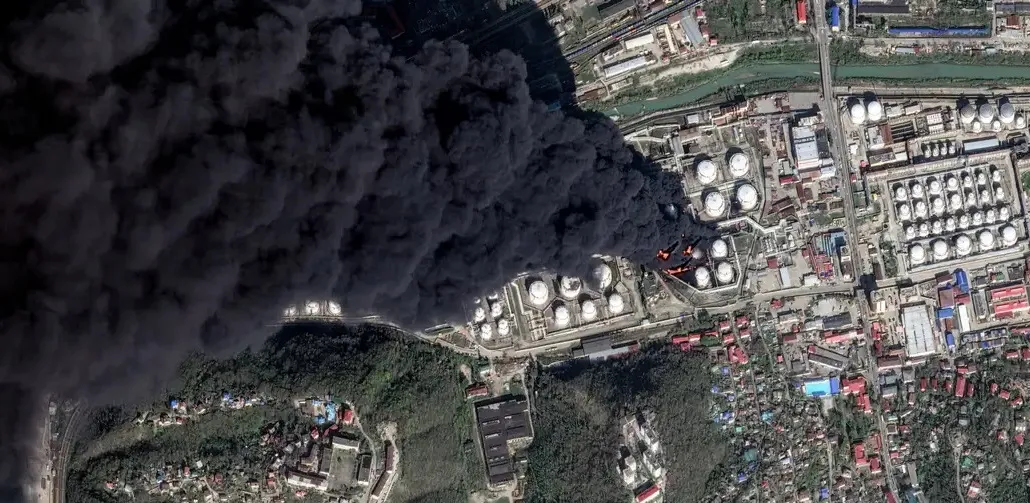
In recent months, Ukraine has stepped up strikes on oil and gas facilities deep within Russian territory. As a result, Russian oil refineries have been forced to cut back or completely halt production.
According to a Reuters analysis, diesel production in Russia fell by around 10% in May. A similar decline was recorded in April.