Si gained additional leverage ahead of the summit with Trump after the cancellation of some tariffs

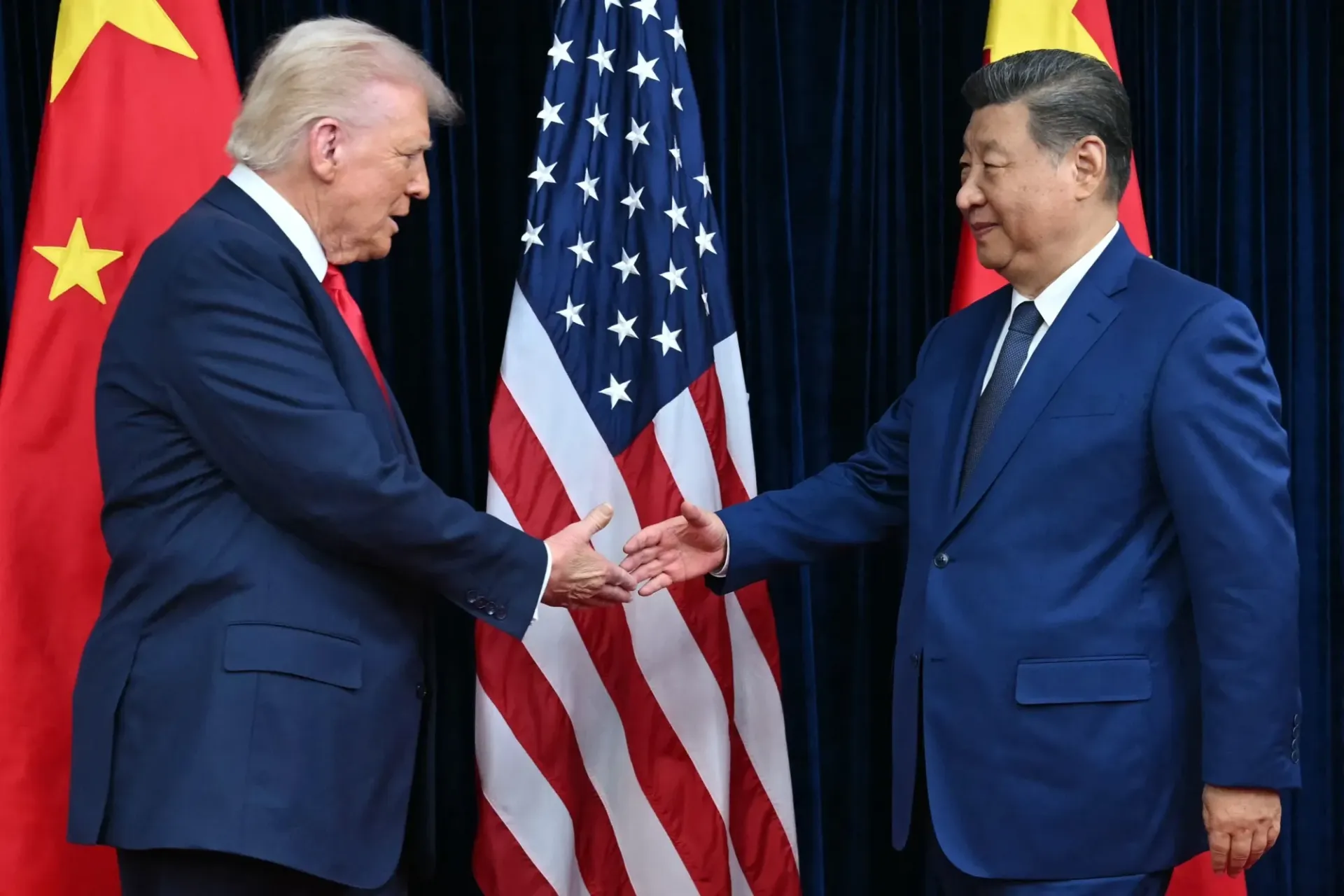
A few weeks before Donald Trump's visit to Beijing, the US Supreme Court invalidated his broad emergency tariffs imposed during his second term. As a result, China is now subject to the same global rate of 15 per cent that applies to US allies. This rate is valid for 150 days. This was reported by The Public with reference to Bloomberg.
Previously, the tariff rate threatened to rise to 145 per cent. The cancellation of this instrument makes it more difficult for Trump to demand that China purchase more soybeans, Boeing Co. aircraft and energy resources. It also limits his ability to respond to new demands from Beijing regarding the supply of rare earth metals needed for American production.
Wu Xinbo, director of the Centre for American Studies at Fudan University, said the court's decision put China in a stronger negotiating position. He cited the example of China's commitment to purchase about 25 million tonnes of soybeans, which was linked to previous tariff agreements.
China's Ministry of Commerce said it was conducting a comprehensive assessment of the implications of the court's decision. The ministry noted that it had taken note of the US's preparations for alternative measures, including trade investigations, and stated its intention to protect its own interests.
According to Bloomberg Economics estimates, even with high tariffs, China's total exports in 2025 grew by 5.5 per cent, despite a reduction in shipments to the US. The growth was driven by the battery and electric vehicle sectors. In 2025, China's trade surplus reached a record $1.2 trillion. The share of shipments to the US in the structure of Chinese exports by December was about 10 per cent, compared to twice as much in 2018.
US Trade Representative James Greer said that the average US tariff on China remains at 40 per cent even without the use of emergency legislation. Morgan Stanley estimates the average tariff at 24 per cent.
Analysts note that Trump may take advantage of the provisions of Sections 301, 232 and 122 of the Trade Act. The 15 per cent rate was introduced on the basis of Section 122. Other provisions allow tariffs to be imposed after investigations.
China remains under investigation under Section 301 for its implementation of the first-phase trade agreement signed during Trump's first term.
Amid news of tariffs, Chinese stocks in Hong Kong rose 2.8 per cent. Mainland markets were closed for the Lunar New Year celebrations.
Economist Zhiwei Zhang of Pinpoint Asset Management noted that Chinese exporters may speed up deliveries to the US while tariffs remain lower. At the same time, he believes that finding alternative tools to maintain high tariffs may take time.
Some experts emphasise that the Supreme Court's decision does not mean a fundamental review of economic relations between the US and China, as the administration can use other powers to implement trade policy.