Six reasons why the US and Iran are on the brink of war

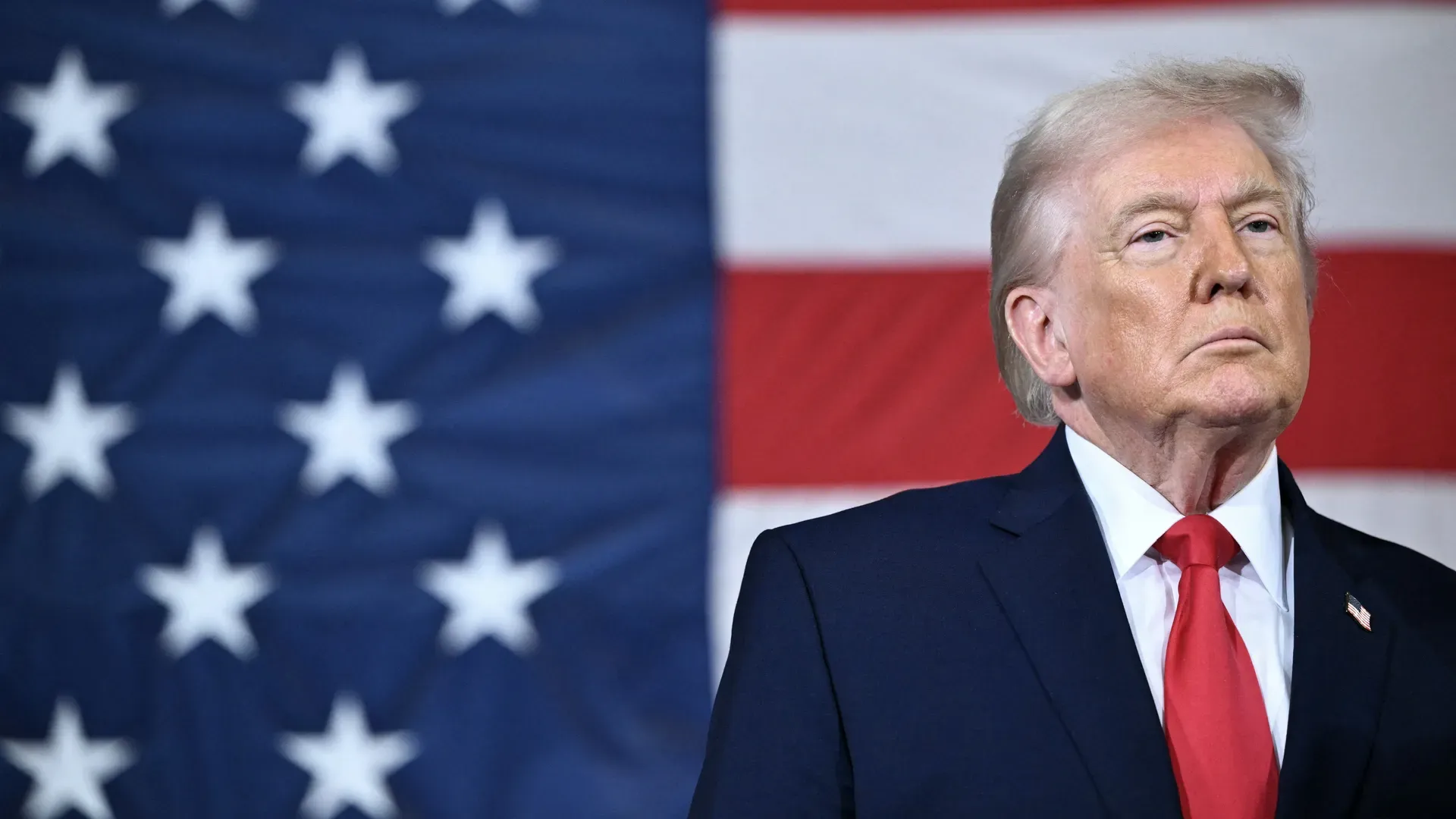
According to Axios, one of the key reasons remains the ongoing dispute over Iran's nuclear programme. Over the past few months, the parties have been holding periodic talks on a new agreement. Previous US administrations have stated their intention to prevent Iran from obtaining nuclear weapons. In 2015, Barack Obama signed an agreement to this effect, but Donald Trump renounced it during his first term and switched to a policy of maximum pressure. Joe Biden was unable to reach a new agreement.
After returning to the White House, Donald Trump again expressed his desire to reach an agreement. In June, after the end of the 60-day period allotted to Iran to conclude a new agreement, Israel launched strikes against Iran. A few days later, the US joined the operation and attacked underground nuclear facilities. Trump then returned to diplomatic pressure. At the same time, he and his allies repeatedly hinted at the possibility of regime change in Tehran.
Another factor was the Iranian authorities' harsh crackdown on protesters in January. According to various reports, thousands of people were killed. Trump then declared his readiness to strike if protesters were killed. After that, the US increased its military presence in the region, in particular by sending warships and fighter jets to the Persian Gulf.
Axios also draws attention to the deployment of two American aircraft carriers in the region. The publication notes that this move creates expectations of possible use of force if an agreement cannot be reached.
Israel's position is cited as a significant factor. The country's government is preparing for a possible conflict and is in favour of a broad operation that would go beyond targeted strikes. According to Axios, Israeli and American officials expect a larger campaign than the one that took place in June last year. Scenarios are being considered not only for strikes on the nuclear and missile programmes, but also on targets associated with the regime.
The situation on the oil market is mentioned separately. According to the publication, the market is currently well supplied, prices remain relatively low, and demand growth is moderate. At the same time, in the event of strikes, prices may rise, especially given the importance of the Strait of Hormuz, through which about a fifth of the world's oil trade passes.
Another factor is the perception of the Iranian regime's weakening after large-scale protests and strikes by Israel and the United States last year. At the same time, it is noted that the conflict could be existential for the Iranian authorities, which increases the risk of escalation.
Despite these factors, the publication emphasises that the possibility of a diplomatic settlement remains.