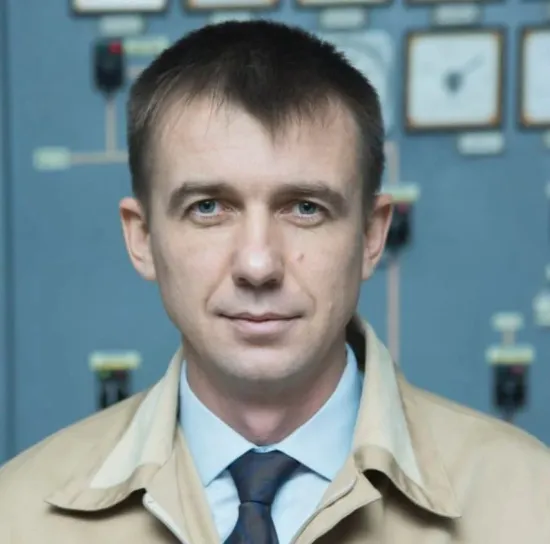
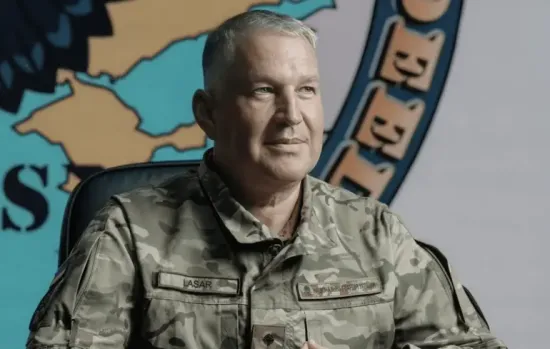
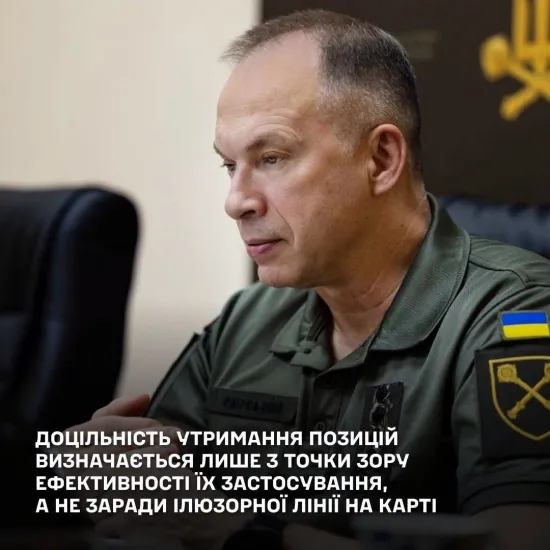
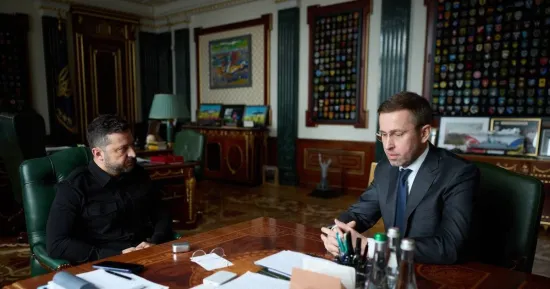
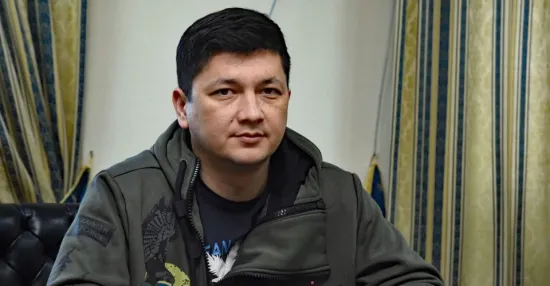
Sternenko and Flash are no longer serving as advisers to the Minister of Defence

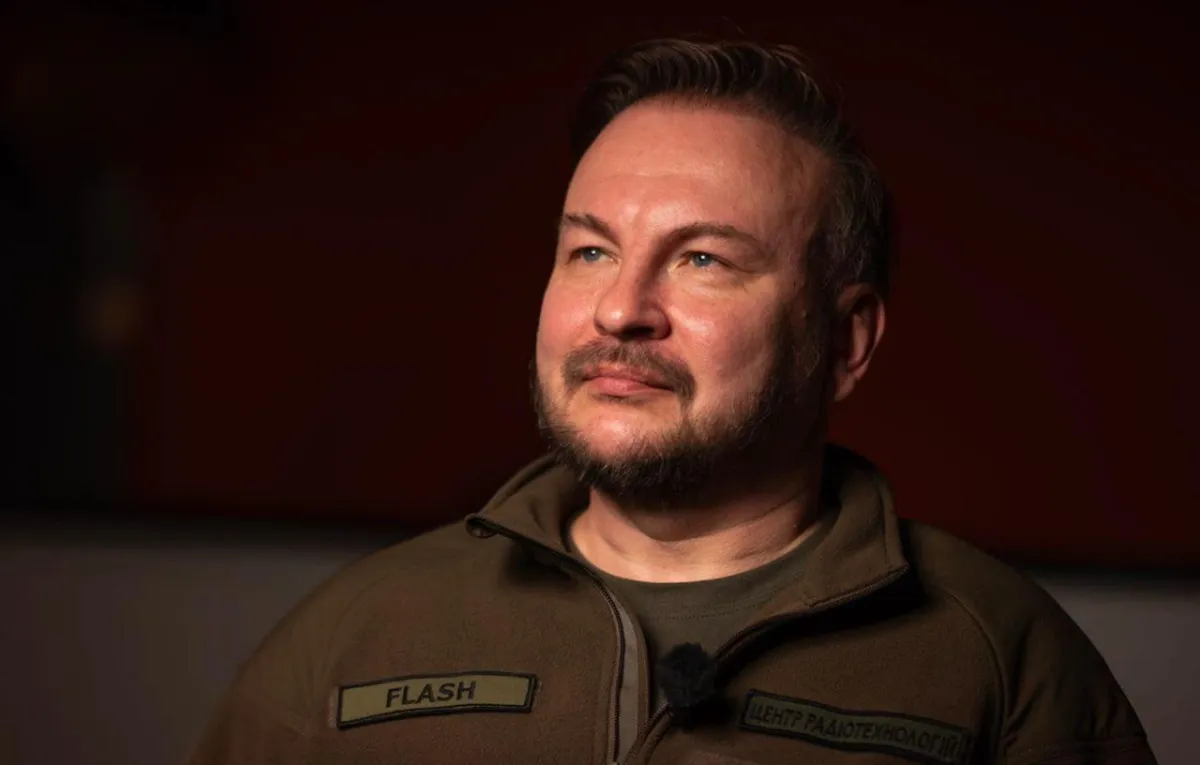
This is evidenced by posts by Sternenko and Beskrestnov on social media.
Beskrestnov stated that, following the termination of his role as an adviser, he would no longer be able to assist the military, manufacturers and developers at the level of the Ministry of Defence. According to him, he is also losing access to the systems he used to analyse the actions of Russian troops and attempt to predict their next moves.
Flash did not disclose exactly which projects he had been working on at the ministry, citing their confidential nature. He merely noted that he would be unable to complete some of the work he had started, so others would have to carry it on.
“I cannot speak about my personal challenges or the projects that I will now be unable to complete. Someone else will have to carry on working on them. The war is still ongoing,” wrote Beskrestnov.
He thanked Mykhailo Fedorov for their collaboration and assured him that he would continue to support the Ukrainian armed forces outside the ministry.
Serhiy Sternenko also stated that he is no longer an adviser to the Defence Minister. He attributed the end of his role to a reduction in his ability to influence government policy on drones.
According to Sternenko, preparations for new procurement requirements for FPV drones were in their final stages. The proposed changes were intended to help the military acquire more effective drones and develop the infrastructure for strikes over longer distances.
Sternenko expressed the hope that the new tender requirements would still be approved following a change in the Ministry of Defence’s leadership.
He also stated that, whilst serving as an adviser, he had succeeded in standardising ground control stations for fibre-optic drones and supporting the development of individual combat brigades.
At the same time, he said, some of the planned changes had not been implemented. He cited bureaucratic obstacles and the deliberate delaying of decisions by individuals who were allegedly opposed to army reform as the reasons for this. Sternenko did not name any individuals or specific institutions.
Separately, he praised Mykhailo Fedorov’s work at the helm of the defence ministry and criticised his possible exclusion from the new government.
“It is a pity that real reforms were not even allowed to begin, although we still managed to bring about a great deal of change,” Sternenko wrote.
In their posts, neither Sternenko nor Beskrestnov specified whether they had been dismissed by separate decisions or whether their terms of office had ended due to the expected change of minister. The Ministry of Defence also did not provide a public explanation regarding the end of their tenure.
Sternenko became an adviser to the Minister of Defence in January 2026. Mykhailo Fedorov took charge of the ministry that same month following a decision by the Verkhovna Rada.
These personnel changes are taking place as a new Cabinet of Ministers is being formed. According to reports from MPs and the media, President Volodymyr Zelenskyy has offered the post of Defence Minister to Ihor Klymenko, who previously headed the Ministry of Internal Affairs.
No official nomination for Klymenko’s appointment had been made public at the time of Sternenko and Beskrestnov’s statements. The final decision on the new head of the Ministry of Defence is to be taken by the Verkhovna Rada.
Serhiy Koretskyi, the head of Naftogaz, has ultimately been nominated as candidate for the post of Prime Minister. The President has already submitted his nomination to the Verkhovna Rada.
Follow us on Telegram.