Talks between the US and Iran in Geneva have been cancelled; one of the reasons is Israel’s attack on Lebanon (VIDEO)

Switzerland has announced that the talks between representatives of the United States and Iran, scheduled for Friday 19 June, will not take place. The meeting was due to be held at the mountain resort of Bürgenstock, according to Reuters.
The White House stated that the logistics of these talks had never been straightforward or predictable. US Vice-President J.D. Vance cancelled his trip to Geneva, although the American delegation was ready to travel once the plans had been finalised.
The Swiss Foreign Ministry confirmed the cancellation of the meeting but did not provide any details.
Iran has not yet officially commented on the situation. Tehran had previously stated its readiness to begin technical talks following the conclusion of a 14-point agreement, which extended the ceasefire for at least 60 days.
According to Tasnim, the Iranian negotiators initially wanted to see practical steps from the US towards implementing the interim agreement. There has also been no confirmation of the Iranian delegation’s participation in the talks in Geneva.
The US side had previously announced its intention to hold an official signing ceremony in Switzerland for the agreement between the US and Iran. At the same time, the Iranian Ministry of Foreign Affairs questioned the need for such a step, noting that the presidents of both countries had already signed the document.
The war, which began on 28 February following US and Israeli air strikes on Iran, has claimed at least 7,000 lives, caused energy prices to rise and affected global markets.
Amid the peace process, Israel continues its military operations against the Iran-linked group Hezbollah in Lebanon. This also raises doubts about the stability of the ceasefire that has been reached.
Questions are being raised within US President Donald Trump’s inner circle regarding the terms of the agreement. During the war, Trump stated that it could only end on the condition of Iran’s ‘unconditional surrender’.
However, the signed memorandum provides for the easing of economic sanctions, the unfreezing of assets worth tens of billions of dollars, and immediate concessions regarding Iranian oil exports.
Iran’s Supreme Leader, Ayatollah Mojtaba Khamenei, stated that Trump had signed the agreement “out of desperation” and made it clear that further negotiations on Iran’s nuclear programme would be difficult.
“If the American side makes excessive demands, we will not accept them,” he said.
The agreement gives the parties 60 days to reach an agreement on the future of Iran’s nuclear programme, unless this deadline is extended.
The document also provides for the creation of a $300 billion recovery fund for Iran and other financial incentives.
The US has also stated its intention to discuss restrictions on Iran’s long-range missiles.
Despite diplomatic efforts, analysts point out that Iran entered the negotiating process from a position of strength. Tehran has retained control of the Strait of Hormuz and gained leverage over global energy markets.
Iran has stated that it will continue to control the Strait of Hormuz jointly with Oman and plans to introduce service charges for vessels once the negotiation period has ended.
Oil prices fell on Friday amid expectations of increased supplies following the partial resumption of tanker traffic through the Strait of Hormuz.
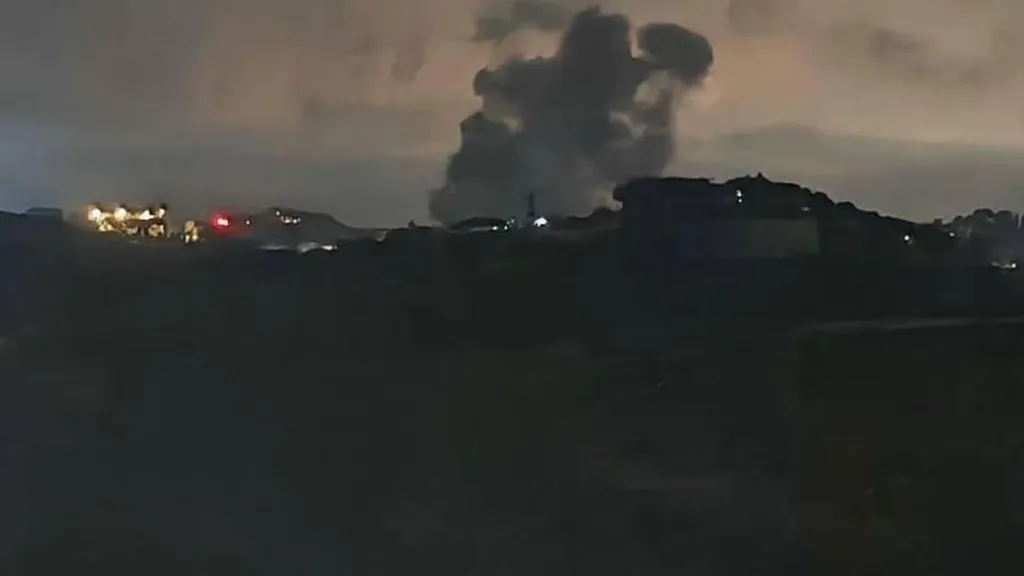
In Lebanon, where more than a million people have fled their homes due to the fighting, fresh Israeli strikes on Friday claimed at least 15 lives.