The EU is considering imposing a price cap on Russian oil due to the war in the Middle East
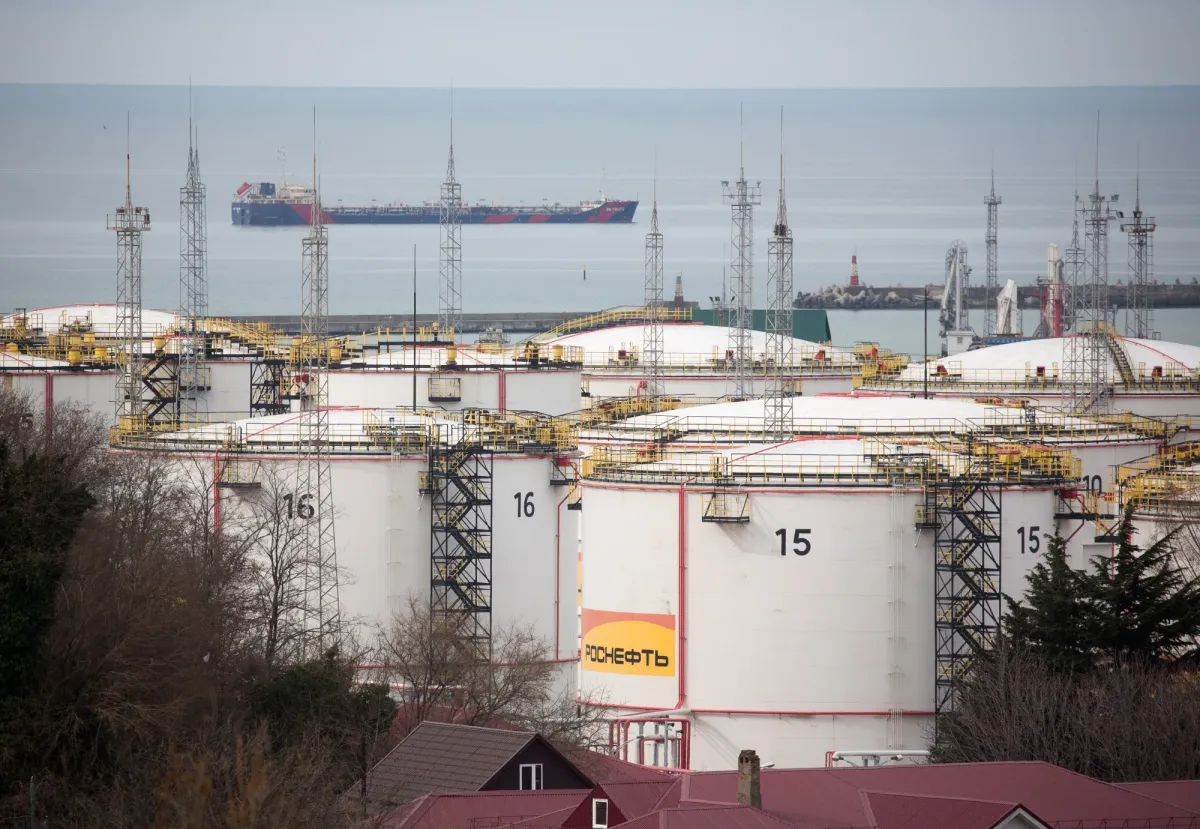
The European Union is considering temporarily suspending the mechanism for reviewing the price cap on Russian oil, as the war in the Middle East has now been ongoing for four months.
Last year, the EU introduced a dynamic mechanism that provides for an automatic review of the price cap every six months. The cap is set at 15% below the average market price of Urals crude oil.
The current price cap stands at $44.10 per barrel. The next review is due to take place this summer, according to Bloomberg.
Under current rules, European companies are prohibited from providing insurance, transport and other services relating to Russian oil if it is sold above the set limit.
Due to the war with Iran and the de facto closure of the Strait of Hormuz, global oil prices have risen significantly. According to sources, the July review could raise the price cap to at least $65 per barrel. This is higher than the previous level of $60, which had previously been agreed by the G7 countries.
This is precisely why the EU is discussing the possibility of leaving the current cap at $44.10. Such a move is intended to limit Russia’s additional revenue from high oil prices.
Other options under consideration include suspending the automatic increase in the price cap until the end of the year or setting a maximum limit of $60 per barrel in line with the G7’s previous agreement.
These proposals may be included in the European Union’s 21st sanctions package following the start of Russia’s full-scale invasion of Ukraine in 2022. Brussels expects to finalise the new package and officially present it in early June. Last week, representatives of the member states were informed of these plans.
In addition to oil restrictions, the new sanctions package may include measures against additional banks, oil traders, oil refineries and cryptocurrency operators from third countries which, according to the EU, are helping Moscow to circumvent existing restrictions.
Around twenty additional tankers from the so-called shadow fleet, which Russia uses to transport oil, may also be subject to sanctions. In the future, the restrictions may be extended to vessels transporting liquefied natural gas.
According to sources, the EU has already imposed sanctions on hundreds of vessels and intends to extend the restrictions to companies and entities servicing these tankers.
At the same time, a complete ban on maritime services is unlikely to be included in the new package at this stage. Some member states oppose such a move due to the unstable situation in the Middle East and the lack of support from all G7 countries.
The main objectives of the new package remain the further reduction of Russia’s energy revenues, increased pressure on its financial sector, and restrictions on the military industry’s access to necessary resources.
Other proposals under discussion include trade restrictions on certain critical minerals, metals, ores and technologies used in the Russian aerospace industry and the production of drones.
The European Union is also assessing possible mechanisms to support Euroclear Ltd. following a Russian court ruling that potentially allows the Central Bank of Russia to claim the company’s assets.
Following the EU’s decision to indefinitely extend the freeze on approximately €210 billion of the Central Bank of Russia’s assets, the majority of these funds remain blocked via Euroclear.
Brussels emphasises that the assets will remain frozen until the end of the war and Russia’s payment of reparations to Ukraine.
In addition, discussions are ongoing regarding the possible introduction of visa restrictions for former combatants.