The EU may abandon major rounds of sanctions against Russia: what is being considered instead

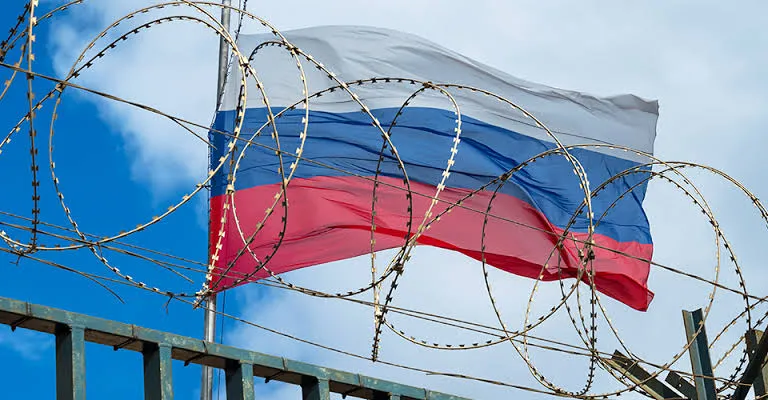
The Financial Times reports this, citing sources.
According to media reports, rather than preparing large packages of sanctions, discussions are taking place in Brussels about the possibility of adopting them individually or in small thematic groups. This is intended to reduce the risk that a single country could block the entire package due to its own economic interests.
One of the FT’s sources says that the 21st package of sanctions against Russia, adopted last week, may be the last of its kind.
“It is now quite clear that this approach no longer works,” he added.
The reason for the strategy review was Greece’s recent stance. The country refused to agree to a new sanctions package until the EU allowed Dynagas vessels to continue transporting Russian liquefied natural gas (LNG) to countries outside the EU.
However, EU countries have reached a compromise: the companies have been temporarily permitted to fulfil only those LNG transport contracts they had concluded before 24 February 2022, whilst any expansion of such supplies by European operators has been banned.
This is the first instance in which the EU has effectively relaxed previously agreed economic sanctions against Russia. Some EU diplomats have sharply criticised Greece’s actions, stating that it has effectively held the entire sanctions package hostage to its own demands.
At the same time, Greece maintains that the ban on the transport of Russian LNG was adopted in error. According to Athens, the ban would primarily harm a Greek company rather than the Russian economy, whilst giving an advantage to shipping companies from China and other countries.
On 23 July, the European Union finally approved the 21st package of sanctions against Russia. This package was the largest in four years and targeted, in particular, Russia’s shadow fleet, Russian banks, the energy sector, the military-industrial complex and other areas.
Follow us on Telegram