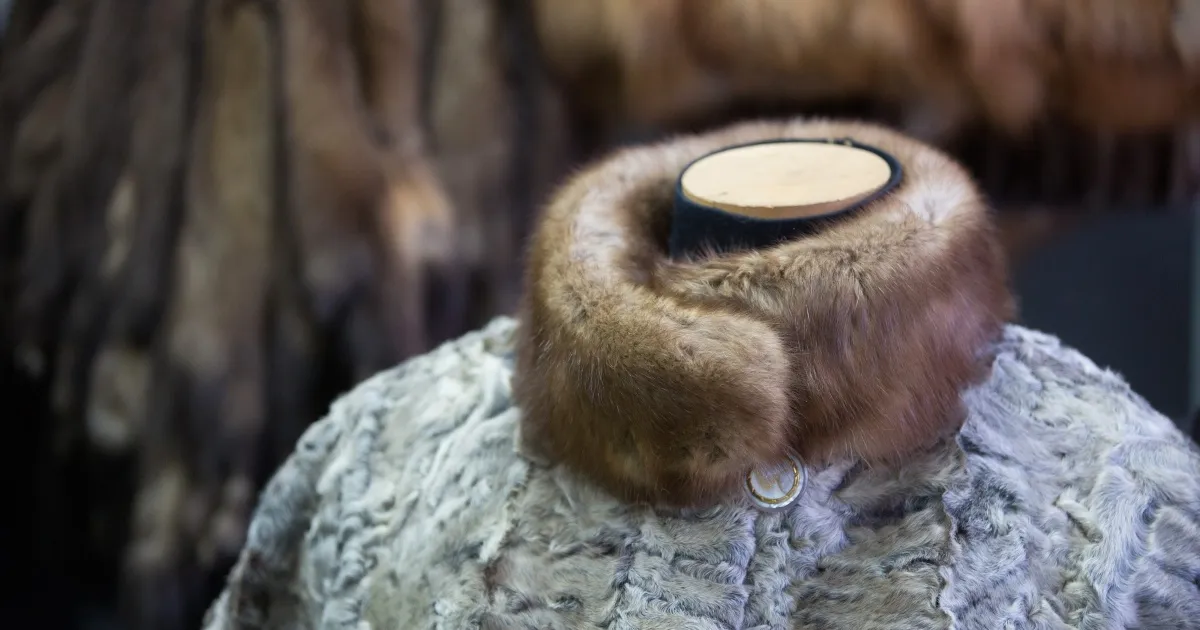
The EU wants to resume imports of sable fur from Russia — the ban on this was only introduced in April

Euractiv reports this, citing sources.
The import ban was only introduced in April. The EU explained that Russia dominates the global sable trade, leaving European manufacturers with few alternative suppliers.
However, according to media sources, it has proved difficult to source this fur elsewhere. Furthermore, Italy and Greece — the two main EU buyers of Russian sable pelts — insisted that the ban be lifted.
At the same time, the ban on imports of finished sable fur products, introduced in 2022, remains in force. A ban on the import and export of other luxury goods, such as caviar and diamonds, was also introduced at that time.
The situation with the fur trade in the EU
This sharp change in stance on Russian fur comes as Brussels decides what to do about its own, much smaller, fur farming industry.
At stake is a potential EU-wide ban on fur farming following a successful citizens’ initiative calling for an end to the practice across the bloc, as well as a ban on the import and sale of fur.
Only a few EU countries, notably Spain, Greece, Hungary, Finland and Poland, still have fur farms in operation, although Poland has already passed legislation to phase out the industry over the coming years.
However, the European Commission has repeatedly postponed its decision, which was originally expected in March. A draft proposal seen by Euractiv last month indicated that the EU’s executive body is leaning towards tightening animal welfare requirements rather than banning production and imports.
Follow us on Telegram