The Foreign Ministry has asked for an assessment of former Ambassador Nizhynskyi’s statements to the Temporary Investigation Commission

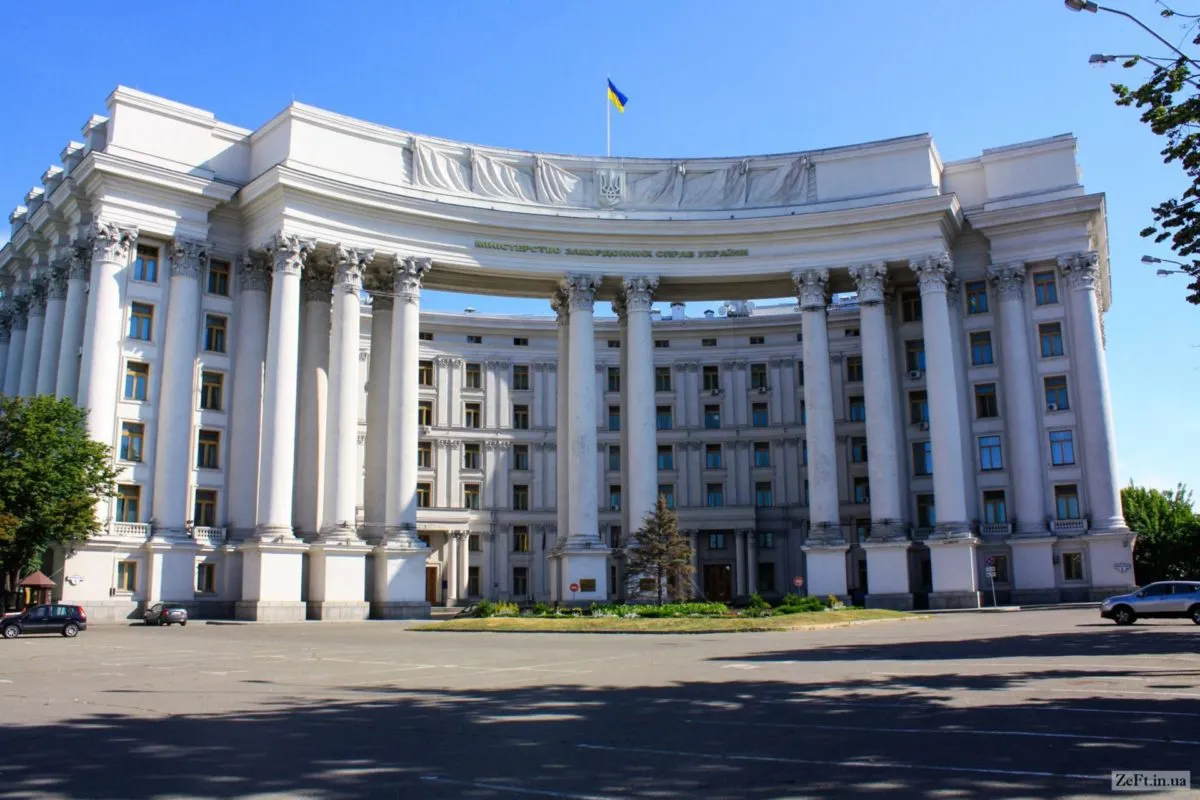
This has been reported by Interfax-Ukraine, citing the Foreign Ministry’s press office.
The Ministry has submitted a request listing Nizhynsky’s statements, which it considers to be unfounded. The Ministry is asking for clarification as to whether his remarks can be regarded as misleading the Verkhovna Rada’s Temporary Investigative Commission.
The Ministry of Foreign Affairs has not specified to which bodies exactly it sent the request. Furthermore, there is as yet no information regarding the opening of criminal proceedings or the granting of any procedural status to Nizhynskyi.
What penalties might apply?
The Ministry of Foreign Affairs referred to Article 384 of the Criminal Code of Ukraine. This provision establishes liability for knowingly false testimony, in particular during an investigation by the Verkhovna Rada’s Temporary Investigative Commission.
The key word in this provision is ‘knowingly’. It is not sufficient for liability to arise merely because one party disagrees with the statements of the other. It must be established that the person knowingly provided false information.
The Ministry of Foreign Affairs emphasised that Nizhynskyi gave his evidence on tape and signed a warning regarding his liability. The Ministry stated that it would defend its reputation through legal means and considers unfounded accusations against the Ukrainian diplomatic service to be unacceptable.
What Nizhynskyi said
Serhiy Nizhynskyi addressed the parliamentary TSC on 17 July 2026. He claimed that a criminal organisation was allegedly operating in Cyprus, in which Ellinas Christodoulou – Ukraine’s honorary consul in the districts of Nicosia and Famagusta – was involved.
The former ambassador also stated that on 15 June he had written a letter of resignation under legal and psychological pressure.
According to Nizhynskyi, in July, representatives of the security services of the United Kingdom, the Netherlands, Poland and Italy allegedly warned him that a kidnapping was being planned for his return to Ukraine. He linked the potential threat to his opposition to Christodoulos’s activities.
Nizhynskyi also placed political responsibility for any potential harm to his life on Foreign Minister Andrii Sibiga, stating that the leadership of the Ministry of Foreign Affairs had failed to protect his family. No evidence has been publicly disclosed that would independently corroborate the warnings from foreign intelligence services or the planning of a kidnapping.
Christodoulos’s response
Ellinas Christodoulos rejected Nizhynsky’s accusations and stated that he had no links to a criminal organisation or any other unlawful activity.
The Honorary Consul expressed his willingness to cooperate with law enforcement and judicial authorities should they approach him. He also reserved the right to take legal action over the dissemination of allegations which he considers to be false and damaging to his reputation.
Why was Nizhynsky dismissed from his post?
The Ministry of Foreign Affairs had previously refuted Nizhynsky’s version of events regarding his voluntary resignation. According to the Ministry, Andriy Sybiga had submitted a proposal to the President on 10 June to recall the ambassador – before news of his resignation letter emerged on 15 June.
The Ministry explained the decision by citing a lack of significant results in the ambassador’s work and insufficient promotion of Ukraine’s interests during Cyprus’s preparations for its presidency of the European Union. Nizhynskyi disagreed with this assessment.
President Volodymyr Zelenskyy dismissed Serhiy Nizhynskyi from the post of Ambassador Extraordinary and Plenipotentiary of Ukraine to the Republic of Cyprus by a decree dated 26 June 2026. The reasons for this personnel decision are not specified in the decree itself.
Upon receiving the appeal, the competent authority must verify Nizhynskyi’s statements and the materials from the TSK hearing. The legal assessment must be based not on the public dispute between the parties, but on documents, recorded testimony and other evidence.
Until the review is complete, Nizhynsky’s account remains his version of events, which the Ministry of Foreign Affairs and Christodoulou dispute. There is no information regarding the service of a notice of suspicion on the former ambassador, the commencement of criminal proceedings or a court ruling.
Follow us on Telegram.