The Military Intelligence Directorate has highlighted a key feature of the large-scale attack using 'Zircons'

Boris Bodnar
Boris Bodnar Journalist
The Military Intelligence Directorate has highlighted a key feature of the large-scale attack using 'Zircons'
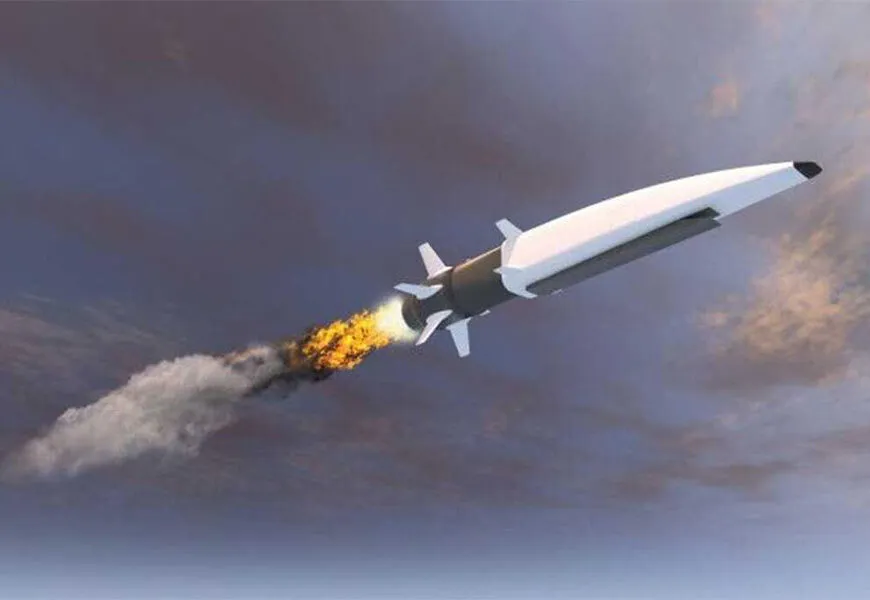
The Zircon missile
The strike on Ukraine on 15 June differed from previous large-scale enemy attacks. Russia launched 600 drones and seventy missiles of various types. The Air Force explained what made this strike unusual.

This was stated by Air Force spokesperson Yuriy Ignat during a telethon.

What makes this strike unusual

According to Ignat, the attack is very similar to the shelling on 2 June.

The main difference is that instead of Kalibr cruise missiles, Russia used Iskander-K missiles this time. The type of weapon has changed, but the general nature of the strike remains similar.

What and how many were shot down by air defence

Detailed statistics from the Air Force spokesperson:

  • Cruise missiles (Kh-101 and Iskander-K) – 100% shot down. They were destroyed by both anti-aircraft gunners and tactical aviation pilots, in particular F-16 pilots.
  • Ballistic missiles (Iskander-M, S-400) – 15 out of 34 shot down. Ignat noted that this is a fairly high result for this type of attack.
  • "Zircons" (which attack like ballistic missiles) – 5 missiles shot down. According to the spokesperson, this is one of the best results for this specific type.
  • Drones – out of 611, 582 were shot down and intercepted.

Ballistics – the main problem

“As for the targets shot down, unfortunately, the problem remains for us. It is ballistic missiles,” said Ignat.

He pointed out that only the Patriot system is capable of shooting down ballistic missiles. That is why some of these missiles reached their targets.

Where the missiles and drones struck

In total, 20 missiles and 27 drones struck various areas. Casualties:

  • Kyiv – there were strikes and casualties among the civilian population
  • Kharkiv – ballistic missile strikes
  • Dnipro – ballistic missile strikes
  • The attack is not over yet

Ignat also warned: the strike is continuing. Even outside of the massive shelling, Russia launches drones every day – up to 200 per night and another 100 during the day. The launches are carried out in small groups of 2-3 units in different directions.

“Dnipro is suffering very badly from these attacks,” the spokesperson added.

As a reminder, following the night-time strike on Kyiv, residential buildings, high-rises and landmarks have been damaged – in particular, the Lavra has been affected. The number of injured in the capital has risen to 30.

Meanwhile, the massive strike has also affected the Kyiv region. Buildings and cars have been damaged there, and a child is among the casualties.

Follow us on Telegram
Share tittle
War
The command of the Russian Black Sea Fleet may relocate its headquarters from Sevastopol to Novorossiysk
War

The command of the Russian Black Sea Fleet may relocate its headquarters from Sevastopol to Novorossiysk

The ‘ATESH’ movement has stated that the Russian Black Sea Fleet’s headquarters are drawing up plans to relocate the remaining command structures from Sevastopol to Novorossiysk.

15.06.2026
A Tu-22M3 bomber has crashed in Russia's Irkutsk Oblast
War

A Tu-22M3 bomber has crashed in Russia's Irkutsk Oblast

A Tu-22M3 bomber crashed in Russia’s Irkutsk Oblast whilst on a training flight from Belaya airfield.

15.06.2026
From 200,000 to 1 million UAH: The Cabinet of Ministers has updated the compensation procedure for affected workers
War

From 200,000 to 1 million UAH: The Cabinet of Ministers has updated the compensation procedure for affected workers

The Cabinet of Ministers has clarified the procedure for providing one-off financial assistance to employees of critical infrastructure facilities, civil servants and local government officials who have been affected by the Russian aggression.

15.06.2026
The Kyiv Metro provided shelter to nearly 42,000 people during the Russian shelling. Of these, 3,400 were children
War

The Kyiv Metro provided shelter to nearly 42,000 people during the Russian shelling. Of these, 3,400 were children

During the heavy Russian shelling of the capital on the night of 14–15 May, nearly 42,000 people, including 3,400 children, took shelter in Kyiv’s underground stations.

15.06.2026
The SBU has displayed the wreckage of the 'Geran' drone used by Russia to strike the Kyiv-Pechersk Lavra (PHOTOS)
War

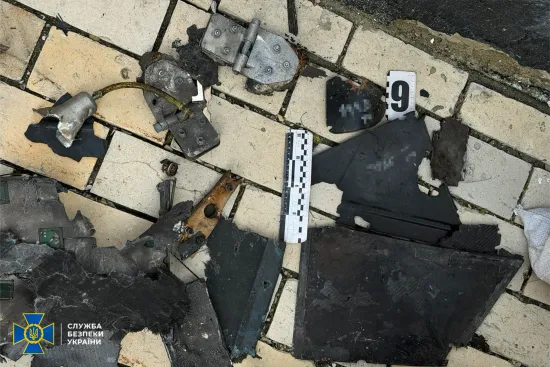
The SBU has displayed the wreckage of the 'Geran' drone used by Russia to strike the Kyiv-Pechersk Lavra (PHOTOS)

On 15 June, during a large-scale attack, Russia struck the Assumption Cathedral at the Kyiv-Pechersk Lavra. The enemy used a ‘Geran-2’ drone, which is similar to the Iranian ‘Shahed’. Meanwhile, the Russian Ministry of Defence is blaming Ukraine for the damage to the Lavra.

15.06.2026