Trump has no idea what Putin really wants

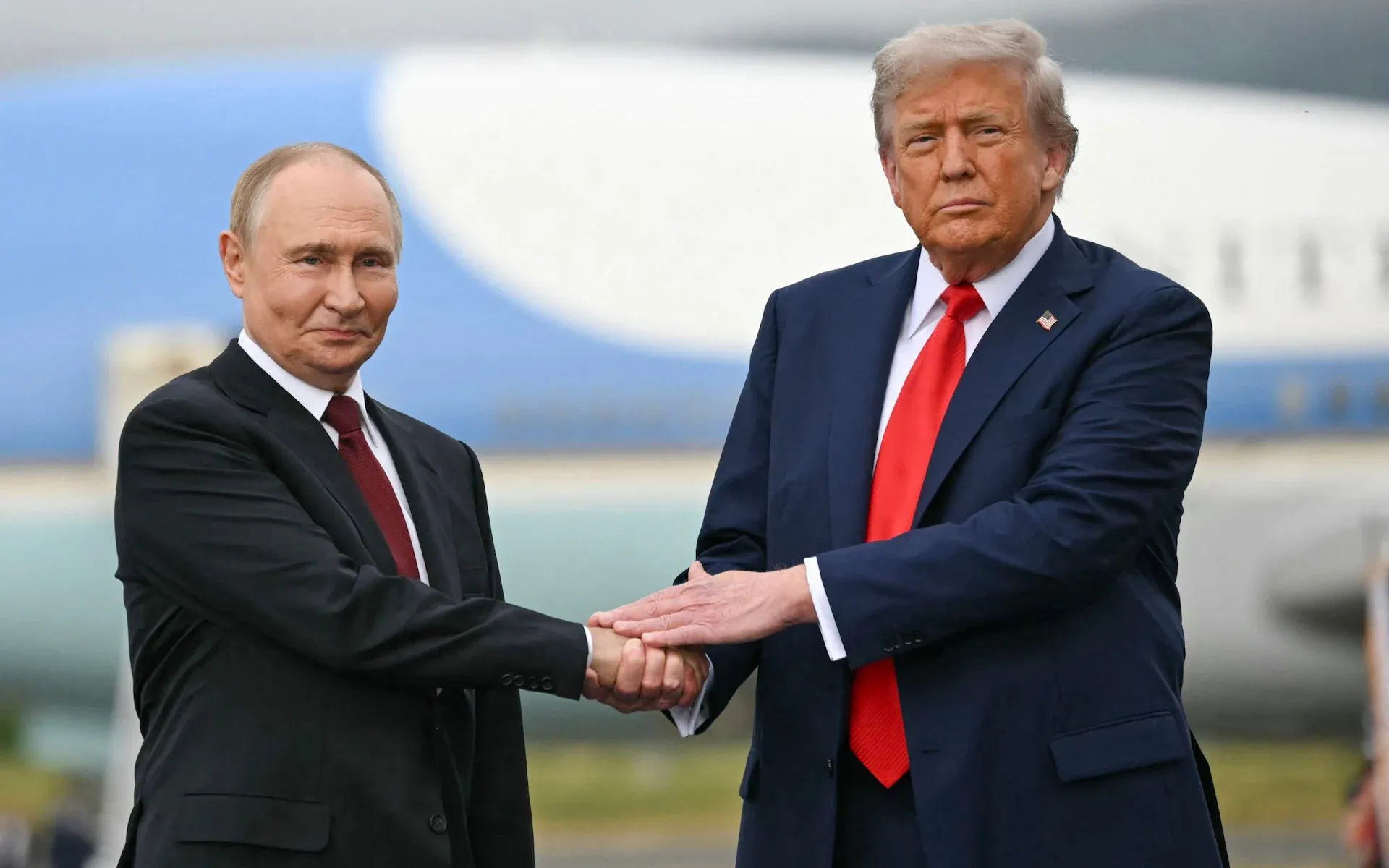
Donald Trump met with Vladimir Putin in Alaska in August 2025, but failed to achieve a breakthrough in the war with Ukraine. The authors of the article argue that Kyiv's allies do not have a common understanding of what exactly the Kremlin is fighting for.
According to the publication, Donald Trump believes that Putin wants to gain additional territory, in particular part of Donbas, and that after that it will be possible to conclude a peace agreement. The article also states that Moscow offered a large-scale agreement on mineral resources worth $14 trillion and presented it to special representatives Steve Witkoff and Jared Kushner.
At the same time, the authors believe that the Kremlin is interested not only in territory, but also in political control over Ukraine. This involves creating mechanisms to influence language policy, the media, the Orthodox Church, historical memory and elections. An independent and democratic Ukraine that can form alliances with the West is described in the publication as an existential threat to Russia from Putin's point of view.
The article mentions a 2008 telegram from William Burns, when he was US ambassador to Moscow. It noted that Ukraine's aspirations to join NATO are an emotional and sensitive issue for Russia. Eighteen years later, the article says, this scenario continues to unfold.
After four years of war, the authors note, part of Ukraine's eastern regions are under Moscow's control, while the rest of the territory has become more homogeneous and more anti-Russian. The likelihood of a pro-Russian government coming to power in Kyiv is estimated to be zero.
According to the publication, during recent negotiations in Switzerland, Russia modelled its security guarantee demands on the 1960 Cyprus agreement, which provided for the right to armed intervention. Turkey exercised this right in 1974. Moscow, it is noted, sees a similar mechanism as an opportunity for future intervention in Ukraine.
The article also mentions Boris Johnson's position on the possible deployment of British and French troops in Ukraine. The authors believe that such a move could derail the peace process and provoke an escalation.
According to the authors, the negotiations have reached an impasse because Ukraine insists on clear security guarantees, in particular along the lines of NATO's Article 5 and membership in the European Union, while Putin does not renounce his political goals. This, it is noted, explains the protracted and fruitless nature of both the negotiations and the hostilities.