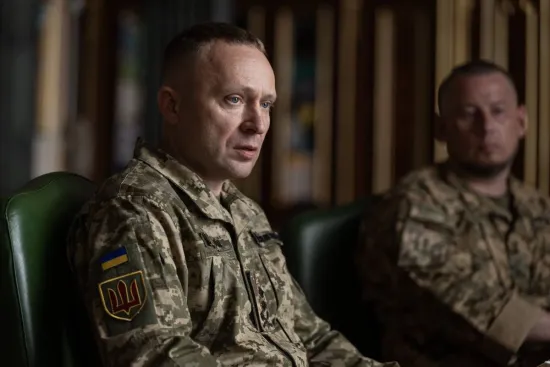
Trump considers striking Iran amid talks in Geneva

Representatives of the United States and Iran are set to meet in Geneva on Thursday for talks described as a last-ditch attempt to avoid military conflict. At the same time, Trump is considering options in case the talks fail, according to The Public, citing the NY Times.
According to sources, the president is leaning towards launching an initial strike in the coming days to demonstrate to the Iranian leadership the need to abandon the possibility of creating nuclear weapons. Possible targets include the headquarters of the Islamic Revolutionary Guard Corps, nuclear facilities and the ballistic missile programme.
If these actions do not lead to concessions from Tehran, Trump is leaving open the possibility of a larger military operation later this year to remove Iran's supreme leader Ali Khamenei. At the same time, there are doubts within the administration about the feasibility of achieving this goal through air strikes alone.
At the same time, the parties are considering a new proposal that could be a compromise and prevent conflict. It involves a very limited uranium enrichment programme in Iran exclusively for medical research and treatment. According to officials, the initiative comes from Rafael Grossi, Director General of the International Atomic Energy Agency. It is unknown whether both sides will agree to it.
Trump discussed possible strikes in the White House Situation Room with Vice President Jay D. Vance, Secretary of State Marco Rubio, Chairman of the Joint Chiefs of Staff General Dan Cain, CIA Director John Ratcliffe, and Chief of Staff Suzie Wiles.
According to sources, the possibility of conducting operations involving special forces on Iranian territory was previously considered, but these plans have been postponed due to high risks. Representatives of the US Armed Forces also expressed concern about the impact of a potential conflict on the readiness of the fleet, Patriot missile defence systems and transport aviation.
Trump's special representative Steve Witkoff said that the only acceptable outcome of the agreement is Iran's complete abandonment of uranium enrichment. At the same time, Iranian Foreign Minister Abbas Araghchi said that the country is not ready to give up its right to produce nuclear fuel in accordance with the Nuclear Non-Proliferation Treaty.
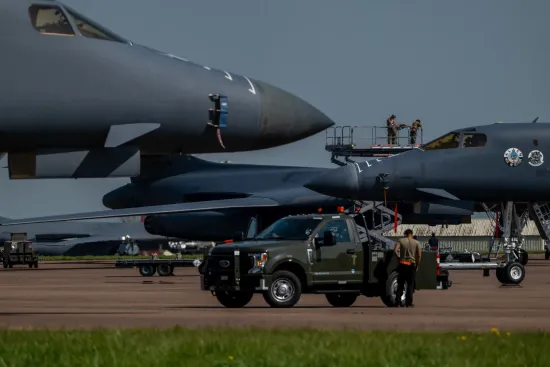
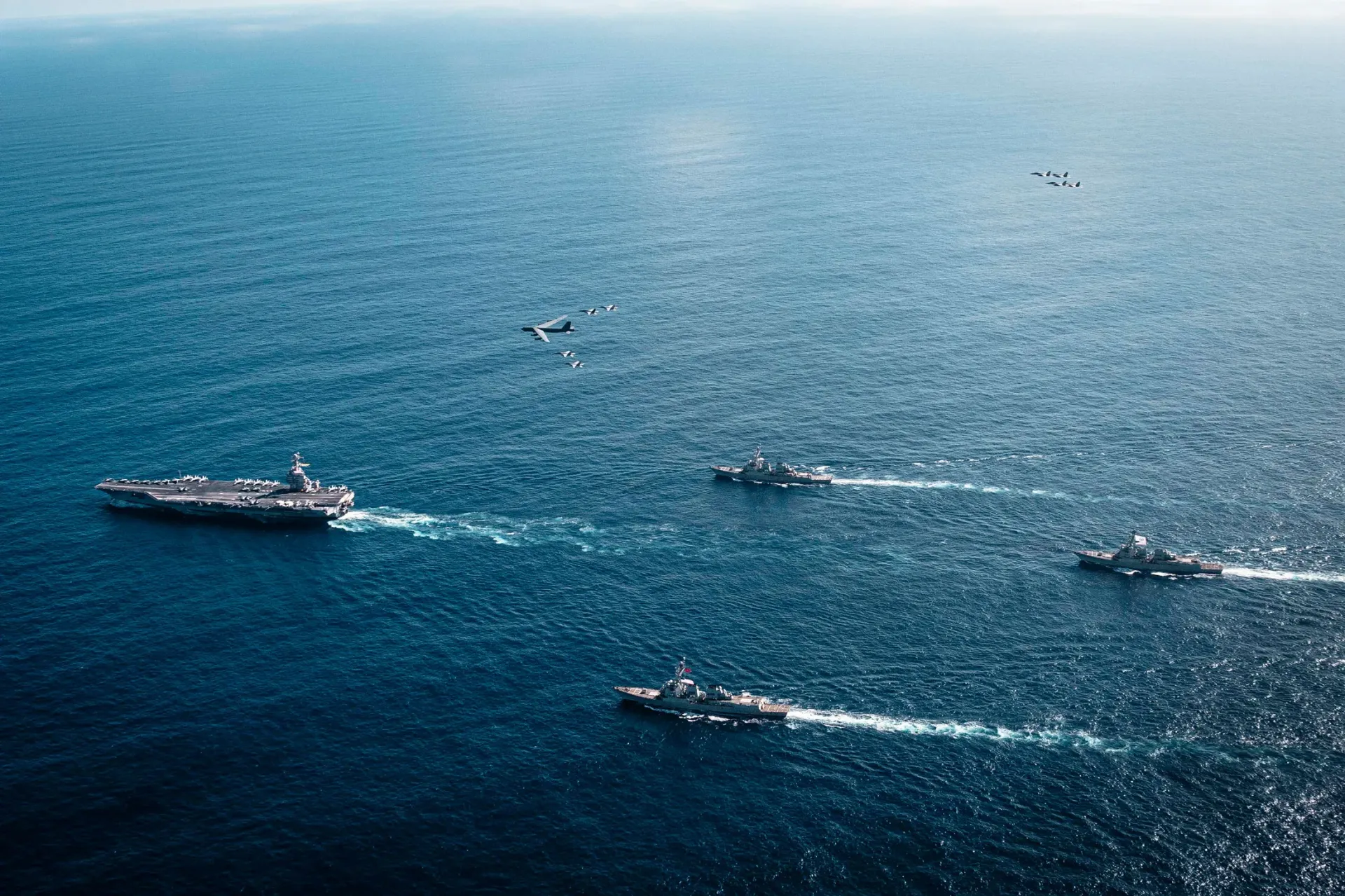
Against the backdrop of the negotiations, the US has concentrated two aircraft carrier groups, dozens of fighter jets, bombers, refuelling aircraft and missile defence systems in the region. According to officials, this is the largest concentration of American forces in the region since preparations for the invasion of Iraq nearly 23 years ago.
European officials attending the Munich Security Conference expressed doubt that military pressure would force the Iranian leadership to abandon its nuclear programme.