Trump announced positive progress in negotiations between the US and Iran

On Friday, 6 February, the first stage of indirect talks between the United States and Iran on Tehran's nuclear programme ended in Oman. According to US President Donald Trump, the process is going very well, and the Iranian side is showing interest in reaching an agreement, DW reports.
The American leader told reporters aboard Air Force One that the US does not intend to rush into an agreement and is prepared to wait, while insisting on the key condition that Iran remain free of nuclear weapons. He also recalled that a significant US Navy contingent is already in the region, and additional ships are heading towards the Middle East.
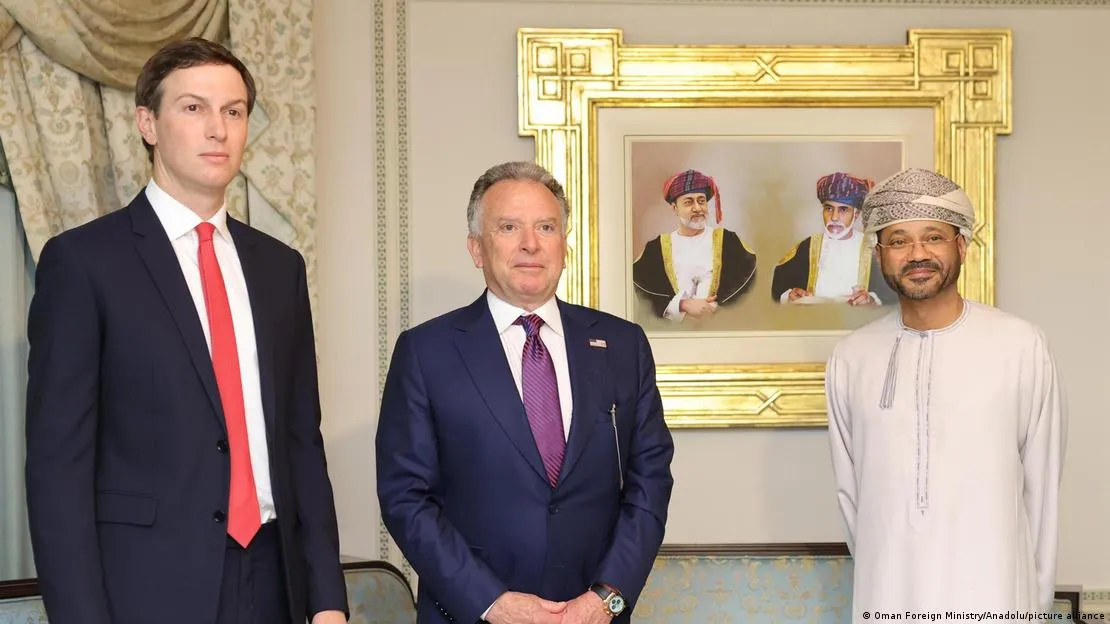
The talks were mediated by Oman in the country's capital, Muscat. The Iranian delegation was led by Foreign Minister Abbas Araghchi, while the American side was represented by US President's special envoys Steve Witkof and Jared Kushner. According to news agencies, Admiral Brad Cooper, commander of US Central Command, was also involved in the consultations. The delegations were in separate rooms, and the exchange of positions took place through Omani mediators.
The Iranian Foreign Minister called the first round of talks a good start and confirmed his willingness to continue the dialogue. At the same time, he stressed that the discussions focused exclusively on nuclear issues. According to Reuters, the Iranian side insisted on its right to enrich uranium but was willing to discuss the level and purity of enrichment. Tehran's demands also included the lifting of sanctions.
Before the start of the negotiations, Washington increased pressure on Iran. Earlier, Trump repeatedly stated the possibility of military action if Tehran refused to sign a new agreement and signed a decree allowing the imposition of import duties on countries trading with Iran. In particular, there was talk of the possibility of tariffs at the level of 25 per cent.
It is expected that after the delegations return to their capitals, the parties will hold internal consultations and decide on the terms and conditions of the next rounds of negotiations.