Restrictions on the movement of Russian diplomats in the Schengen area have come into force in the EU

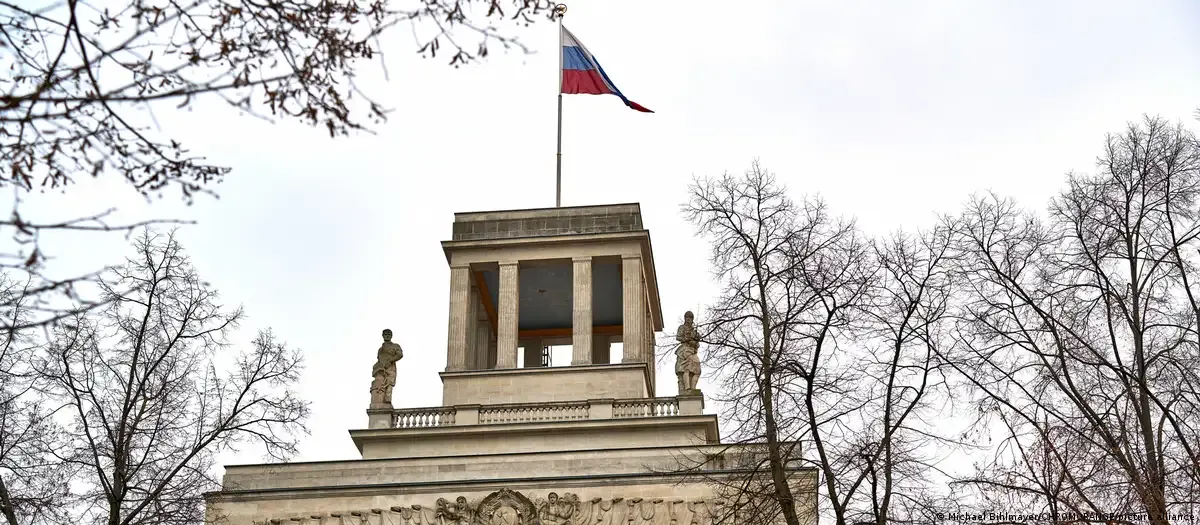
New restrictions on Russian diplomats, adopted as part of the 19th package of sanctions against Russia, came into force in the European Union on Sunday, 25 January. They restrict the freedom of movement of Russian diplomats within the Schengen area outside their country of accreditation, DW reports.
Under the new rules, Russian diplomats, consular staff and their family members are required to give at least 24 hours' notice of their intention to travel or transit through an EU member state in which they are not accredited. In addition, certain EU countries have been given the right to require Russian diplomats to obtain special entry permits, even if they have a visa or residence permit issued by another member state.
The Council of the European Union explained that these measures are aimed at strengthening protection against espionage and disinformation. In the justification for the decision following the meeting on 23 October, it was noted that Russian intelligence activities in EU countries have become more hostile against the backdrop of Russia's aggression against Ukraine.
According to EU estimates, the previous freedom of movement of Russian diplomats in the Schengen area allowed them to engage in covert activities, including espionage and the dissemination of disinformation about the war against Ukraine in order to influence public opinion. The new rules are intended to ensure better awareness among member states and strengthen control over the movement of Russian representatives.
European Union, Schengen area, Russian Federation, Council of the European Union, Schengen