Moldova is considering declaring a state of emergency in the energy sector: power cuts are expected

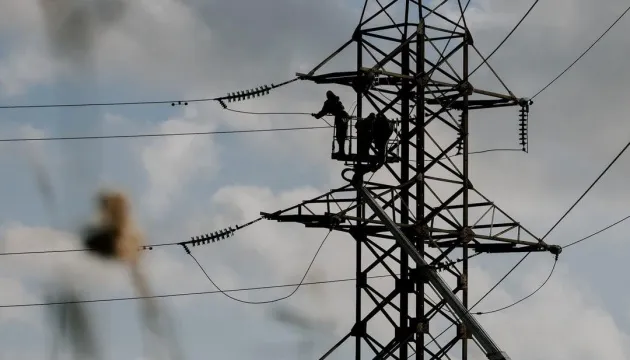
TV8 reports this, citing a government decision.
The final decision is to be taken by parliament at an extraordinary session on 24 March at 17:00.
Speaking at a Cabinet meeting, Prime Minister Alexandru Munteanu stressed that the war Russia is waging against Ukraine is destroying Ukraine’s critical infrastructure. According to him, this is triggering a chain reaction across the region and is already directly affecting Moldova.
He noted that the situation remains difficult and did not rule out the possibility of rolling blackouts.
According to Sergiu Dacanu, head of the National Centre for Crisis Management (CNMC), “technical failures indicate a serious short circuit requiring specialised intervention”.
State of emergency in the energy sector: what this decision means
The state of emergency will allow the authorities to rapidly allocate resources to restore the Isaccha–Vulcanesti power line, adjust distribution to prevent shortages, and ensure the uninterrupted operation of social services. The crisis response plan includes measures to conserve energy during peak hours and mobilise alternative power sources for hospitals and water supply systems.
For the duration of the restrictions, citizens are advised to minimise their electricity consumption, avoid using lifts during power fluctuations, charge mobile devices in advance and carry portable lighting sources with them.
Damage to a critical power line during Russian shelling
The Isaccea–Vulcanesti power line is a key channel for electricity imports from Romania to Moldova. Due to Russian attacks on Ukraine’s critical infrastructure, power cuts have been repeatedly recorded in Moldova.
From the evening of 23 March, Moldova was left without power after the Isaccea–Vulcanesti cross-border power line went offline. Moldovan President Maia Sandu confirmed that it was Russian shelling that caused the power cut in the country.
In January, shelling led to a partial blackout in Moldova. At that time, most of the country’s settlements were left without electricity due to a grid failure. In Chișinău, trolleybuses stopped running, traffic lights were out of action, and dozens of people were trapped in lifts.
Furthermore, vehicles were not being allowed to cross the border with Moldova at the time. The power cut caused a malfunction in the customs database.