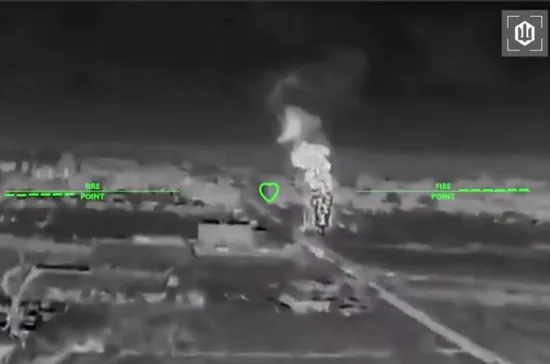
Ukrainian drones have shifted the balance of power in Russia’s war against Ukraine

After several years of a war of attrition, Russia, according to a number of military analysts, is facing increasing difficulties both at the front and behind the lines. Experts attribute this to Ukraine’s growing capabilities in the field of drone technology and strikes against Russia’s military logistics and energy infrastructure. This is reported by ThePublic, citing The Wall Street Journal.
Analysts note that the pace of Russian troops’ advance on the front line is slowing, and that, according to their estimates, casualties are outstripping the rate at which personnel are being replenished. They also point out that Russian units are facing difficulties due to strikes by Ukrainian drones on logistics routes.
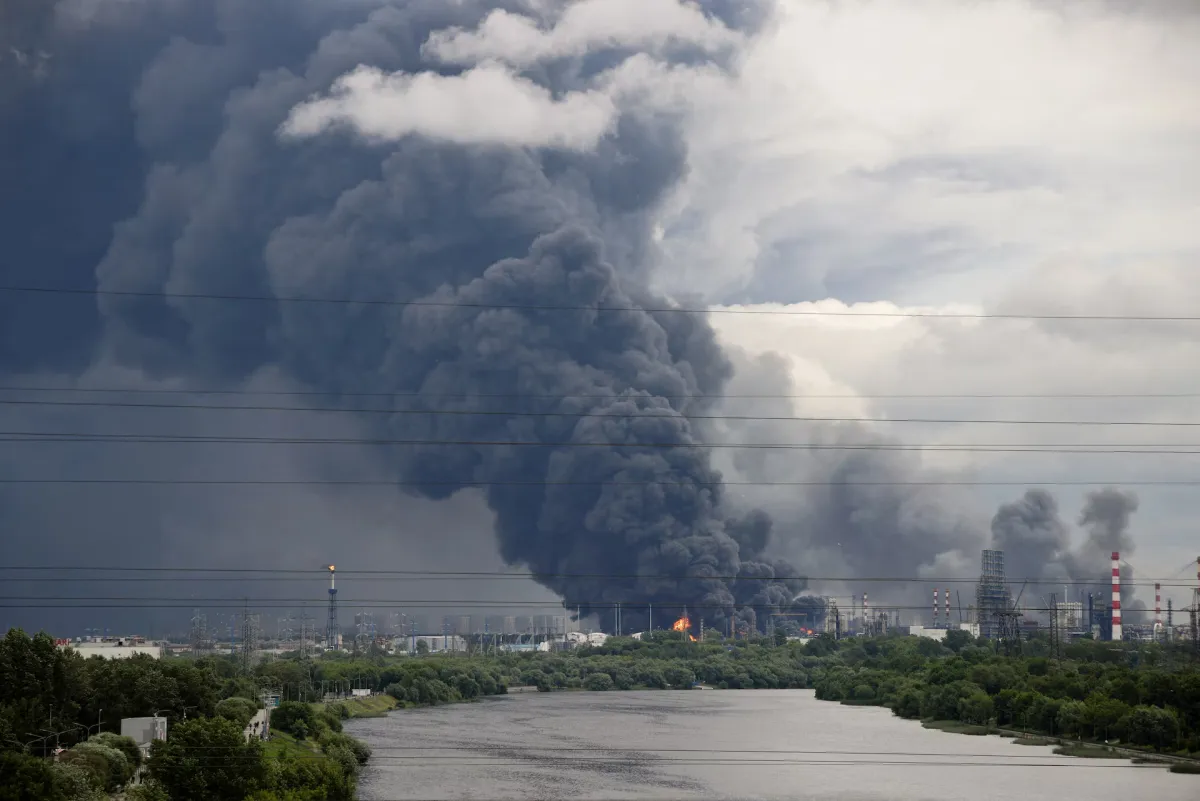
At the same time, experts note that the Ukrainian army continues to hold its positions and is carrying out localised counter-attacks in certain areas. Furthermore, they say, Ukrainian drones are striking Russian oil refineries and fuel infrastructure, whilst also disrupting fuel supplies to occupied Crimea.
Despite this, analysts stress that the situation remains difficult. They cite the shortage of missiles for the Patriot systems, used to intercept Russian ballistic missiles, as one of Ukraine’s main problems.
During the NATO summit, US President Donald Trump spoke highly of Ukraine’s developments in the field of long-range drones. The publication also notes, citing two US officials, that Trump was shown intelligence data on Ukraine’s new capabilities, which impressed him.
Ruslan Pukhov, director of the Moscow-based Centre for Analysis of Strategies and Technologies, stated that Russia’s strategic position has deteriorated over the past year. According to him, the pace of the offensive is slowing, Ukrainian counter-attacks are intensifying, and there are signs of exhaustion within the Russian army.
Some analysts suggest that, due to a shortage of personnel, the Kremlin may resort to a new mobilisation, although no official decisions have yet been taken on this matter.
Ukrainian President Volodymyr Zelenskyy stated this week that ballistic missiles remain Russia’s main advantage, and called on partners to strengthen Ukraine’s air defence system with additional Patriot systems.
The publication also notes that there is no consensus among experts regarding the prospects for ending the war. Some of them admit the possibility of reaching agreements to cease hostilities in the future, whilst others believe that Russian President Vladimir Putin is prepared to continue the war regardless of the cost.
According to military analysts Michael Kofman, Rob Lee and Konrad Muzyka, Ukrainian forces have adapted to Russian tactics, are countering Russian drones more effectively and are themselves making more active use of drones to strike at the enemy’s logistics and carry out localised counter-attacks.
At the same time, Valeriy Zaluzhny, the former Commander-in-Chief of the Armed Forces of Ukraine, noted in an article for The Telegraph that neither side currently holds a decisive advantage. According to him, the military balance has turned into a state of mutual deterrence, and as Russia continues to wage war, Ukraine can expect a prolonged test of endurance.