Ukraine is striking at Russia’s oil infrastructure, but the impact on its economy is limited

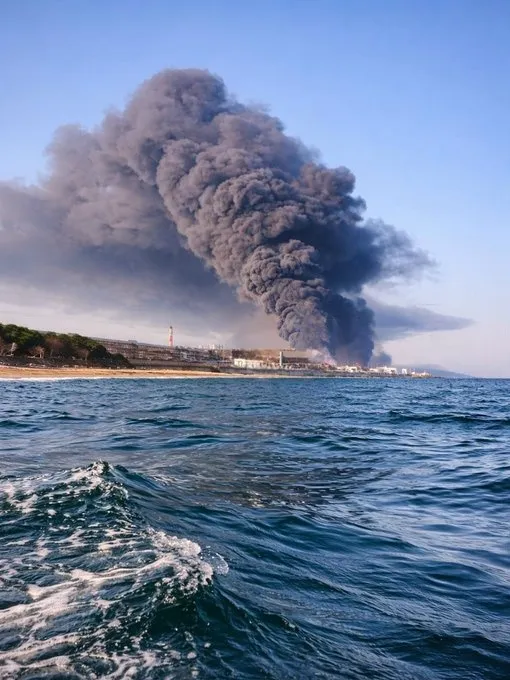
Overnight, Ukraine launched an attack on a major oil refinery in the Russian city of Tuapse on the Black Sea coast. Thick plumes of smoke rose into the air following the attack, prompting local authorities to urge residents to stay indoors and keep their windows closed due to combustion by-products entering the atmosphere. This was reported by The Public, citing The Wall Street Journal.
The oil refinery in Tuapse had been out of operation since 16 April following a previous strike. Over the past two months, Ukraine has also attacked other key Russian oil infrastructure sites, including the ports of Ust-Luga and Primorsk on the Baltic Sea, through which around 40 per cent of the country’s seaborne crude oil exports pass.
The General Staff of the Armed Forces of Ukraine stated that the strikes are targeting infrastructure that supplies the Russian army fighting in Ukraine.
The attacks demonstrate Ukraine’s ability to strike targets at a considerable distance from the front line. Tuapse is located more than 300 miles from the nearest territory controlled by Ukraine.
Rain mixed with oil was reported in the city, as well as an oil spill into the Black Sea, which caused oil slicks on the water’s surface. Residents of neighbouring areas were evacuated, and over 100 rescue workers were deployed to extinguish the fire.
At the same time, according to experts, the strikes did not have a decisive impact on the Russian economy. Oil production fell in late March and early April but subsequently recovered.
Furthermore, the rise in oil prices due to the situation in the Middle East helped Russia maintain high revenues from its sales.
It is estimated that, to have a significant impact, Ukraine needs to maintain a high intensity of drone attacks on several key targets simultaneously.