Rocket fragments near a school in Iran indicate the use of an American Tomahawk missile

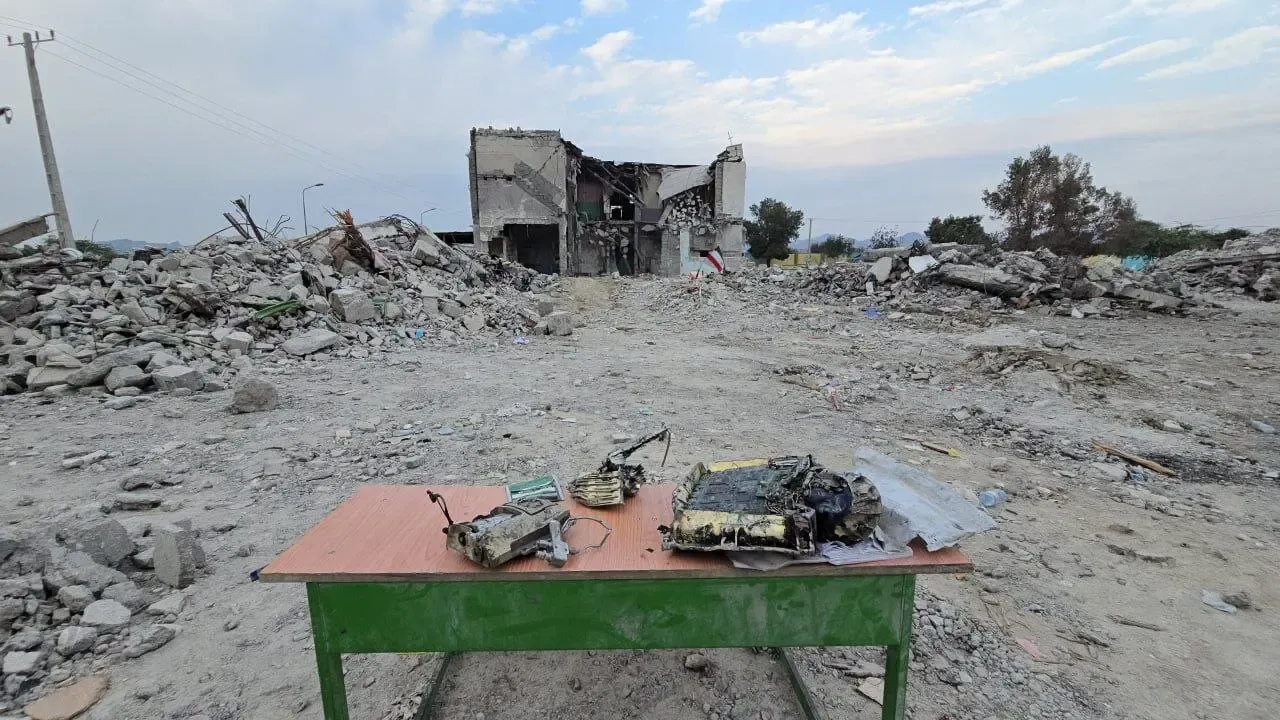
Photographs of rocket debris published by Iranian state media after the 28 February strike in the southern Iranian city of Minab bear markings characteristic of American Tomahawk cruise missiles, according to an analysis by The New York Times.
The images of the debris were posted on Telegram by the Iranian state broadcaster. The post stated that the photos showed "the remains of an American missile that fell on children at the Minab school."
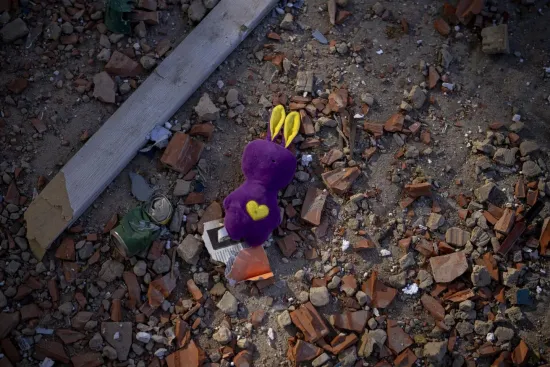
The debris is laid out on a table near the Shajarah Tayyebeh primary school building, much of which was destroyed in the precision strike. According to reports, at least 175 people were killed, most of them children.
The New York Times has determined that the debris includes American-made components. Specifically, these are a control mechanism and a satellite antenna.
It has not yet been determined where exactly these fragments were found and whether they are directly related to the strike on the school. At the same time, the parts bear serial numbers and other markings that correspond to the ammunition marking system of the US Department of Defence and its suppliers.
According to the publication's assessment, the debris may belong to an American-made Tomahawk cruise missile manufactured in 2014 or later.
Analysis of the materials also indicates that the school may have been damaged during a series of American strikes on a nearby naval base. A video published by the semi-official Iranian Mehr News Agency shows the moment a Tomahawk missile strikes a medical building on the base.
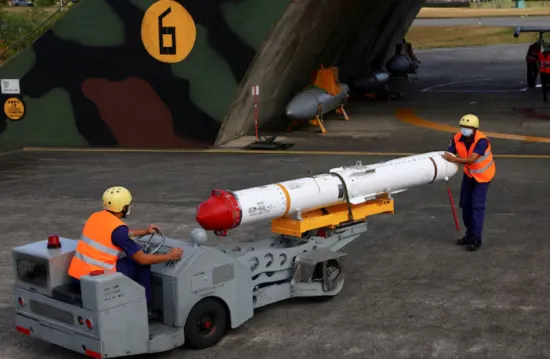
The US Department of Defence released video footage of Tomahawk missiles being launched from US Navy ships at targets in Iran on 28 February. Joint Chiefs of Staff Chairman General Dan Keane said last week that these missiles were used to strike targets along Iran's southern coast at the start of the hostilities.
US President Donald Trump had previously stated that the strike on the school could have been carried out by the Iranians themselves. During a press conference, he said that "Iran also has some Tomahawks" and that other countries can purchase such missiles from the US.
In fact, Iran does not have Tomahawk missiles. Any country that has purchased these missiles from the United States must obtain permission from the US State Department before transferring them to a third party.
Apart from the US, only two countries, Australia and the UK, have Tomahawk missiles. Japan has agreed to purchase these missiles in 2024, and the Netherlands in 2025.
Even if Iran obtains Tomahawk missiles, it lacks the technical equipment to program their route and upload this data to the onboard computer. It also needs a launcher capable of launching such missiles.
One of the fragments shown in the photographs has the inscription SDL ANTENNA, which stands for satellite data link antenna. The part also bears the name of Ball Aerospace & Technologies Corp. from Boulder, Colorado. The company was acquired by BAE in 2024.
Another fragment has the inscription Made in USA and the name of the company Globe Motors from Ohio. According to the US federal open data system, this company received contracts from the Department of Defence to manufacture components, including actuator motors that control the guide planes of Tomahawk missiles.
Similar parts have previously been found among the debris of Tomahawk missiles during conflicts in Yemen and Syria. They are also documented in the Open Source Munitions Portal database.
Former US Army sapper Trevor Ball, who works with the Bellingcat research group, also identified the components shown in the photo as parts of a Tomahawk missile. According to him, similar debris was found at other strike sites in Iran after the start of the war between Israel and the US against Iran.