The government is implementing comprehensive measures to stabilise the energy system after shelling and an abnormal winter

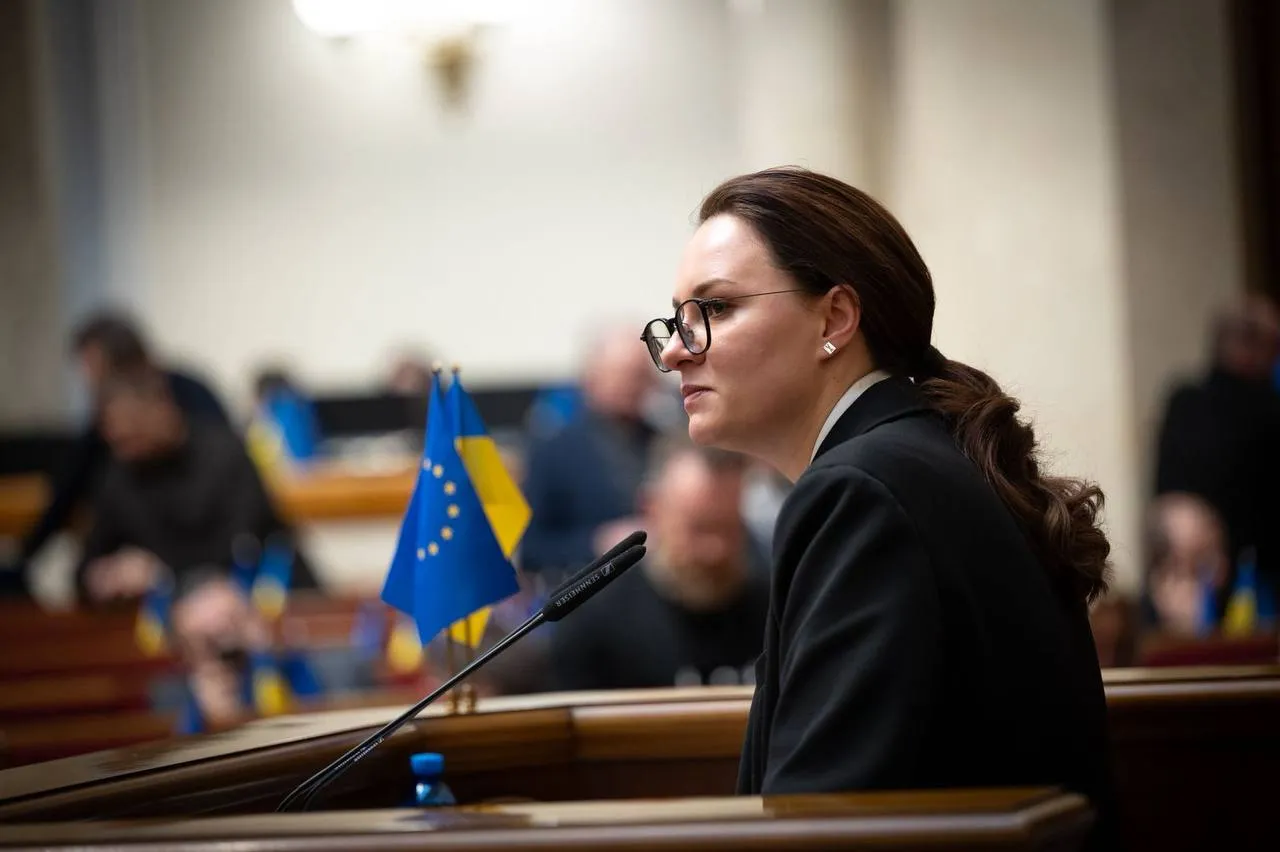
The government continues to implement urgent measures to overcome the emergency situation in the energy system caused by intense Russian shelling and the harshest winter in 20 years. This was announced by Prime Minister Yulia Svyrydenko.
First Deputy Prime Minister and Minister of Energy Denys Shmyhal has been appointed to lead the efforts to deal with the emergency. Under his coordination, the government has set up permanent headquarters, one for the whole country and one for Kyiv and the surrounding region. They are working around the clock and coordinating the actions of energy companies, utilities, the State Emergency Service, local authorities and central executive bodies.
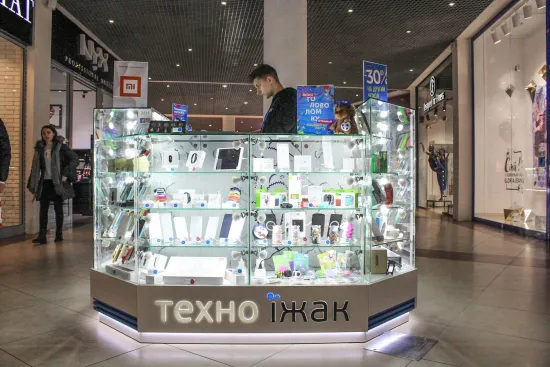
In areas where a state of emergency has been declared in the electricity sector, curfew restrictions will be eased. Citizens will be allowed to be on the streets and in public places without passes, including shopping and entertainment centres that serve as points of resilience, providing heating and support for people and businesses. Such locations must be equipped with heating, autonomous power supply and stable communications. Entertainment establishments are not included in this list. Private transport is also permitted.
Decisions on additional relaxations may be taken by the headquarters for the elimination of consequences or regional military administrations, taking into account the situation on the ground. Their areas of operation will be determined by the commission on technogenic and environmental safety and emergencies, whose first meeting is scheduled for 16 January. Law and order will be maintained by the security and defence forces.
The Ministry of Education and the Kyiv City State Administration have been instructed to extend or establish winter holidays in the capital until 1 February. This decision does not apply to kindergartens. The Ministry of Education and Science, together with regional military administrations, must also determine the need for educational institutions to switch to distance learning or extend holidays depending on the security situation in the regions.
The government is creating conditions for the rapid increase of electricity imports for state-owned companies and businesses. At the same time, the Ministry of Development, the Ministry of Internal Affairs, the State Emergency Service, regional administrations and the Kyiv city authorities are checking the operation of emergency centres on a daily basis. Currently, there are over 10,000 such centres in Ukraine, with more than 1,200 operating in Kyiv. There are another 3,300 locations in reserve that can be opened within 24 hours. The centres provide meals and access to communications and heating.
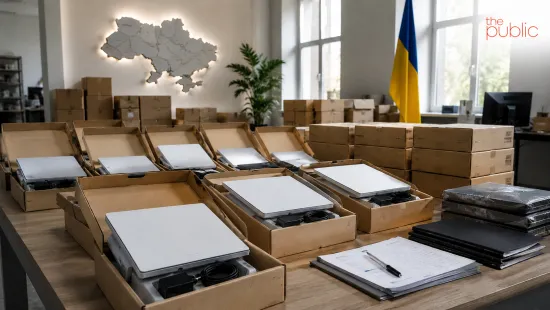
The Ministry of Energy, the Ministry of Development, and the State Energy Supervision Inspectorate have been instructed to simplify as much as possible the connection of cogeneration plants, modular boiler rooms, gas turbine and gas piston systems to increase distributed generation. The National Commission for Energy and Utilities Regulation has been recommended to reduce the time required for the approval of documentation and connection procedures.
Separately, in Kyiv and the surrounding region, the state of heat, electricity, gas and water supply to residential buildings is being analysed, with particular attention to buildings with electric heating. For the most difficult cases, backup power sources, water delivery and additional assistance are provided. The government is also considering the possibility of classifying such buildings as critical infrastructure.
All regional military administrations and the Kyiv City Military Administration must reduce electricity consumption within 24 hours, in particular by limiting outdoor lighting of buildings, advertising and excessive street lighting. Denys Shmyhal is coordinating and monitoring the implementation of all decisions. The 112 hotline is available around the clock to receive reports of lack of heat, water or electricity.
Source and photo: Yulia Svyrydenko.
Svyrydenko, Shmyhal, State Emergency Service, Ministry of Internal Affairs