A tool called ‘ShriftoRiz’ has been launched in Ukraine to search for Russian fonts on websites

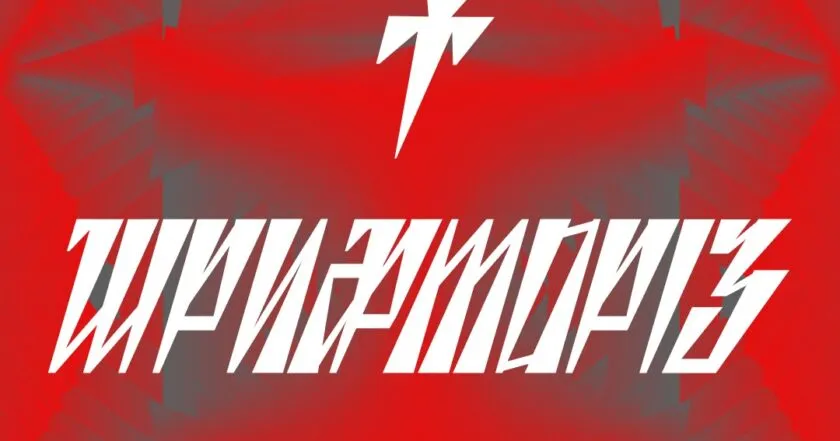
A browser extension called “ShriftoRiz” has been launched in Ukraine; it identifies fonts of Russian origin on websites and suggests Ukrainian alternatives to users.
The project’s creators emphasise that fonts are not a neutral design element, but remain part of visual culture and identity. According to them, many users have worked with popular typefaces for years without giving their origins a second thought.
What is the essence of the project?
The developers explain that “ShriftoRiz” was created as a tool to help users spot the use of Russian fonts and consciously opt for Ukrainian ones instead.
According to the authors, the idea behind the service is not to impose restrictions, but to highlight the issue and enable users to make an informed choice.
How “ShriftoRiz” works
The extension analyses the fonts used on website pages and informs the user whether they are of Russian origin.
If the service detects such typefaces, it suggests appropriate Ukrainian alternatives.
The developers also note that the tool can be useful when working with graphic design platforms. In particular, this refers to selecting fonts in Canva to avoid using Russian typefaces.
What the authors say
The authors describe “ShriftoRiz” as a tool for collective digital hygiene. According to them, the service was created to identify Russian fonts and make room for Ukrainian ones in the visual space.
They also emphasise that the project is designed to help users support Ukrainian fonts and pay closer attention to visual choices in the digital environment.
The broader context
-
On 1 March 2026, the National Commission on State Language Standards approved Ukrainian Spelling as the sole official standard of the state language.
-
The Ministry of Culture and Information Policy announced its intention to phase out the use of Russian fonts and create a bank of Ukrainian ones.
-
Previously, designers also created the first Ukrainian memorial font, UAF Memory, which will be used for inscriptions on monuments and gravestones of fallen defenders.
A reminder: What your Wi-Fi looks like in real time