Scientists have developed a vaccine that "awakens" the immune system to fight cancer

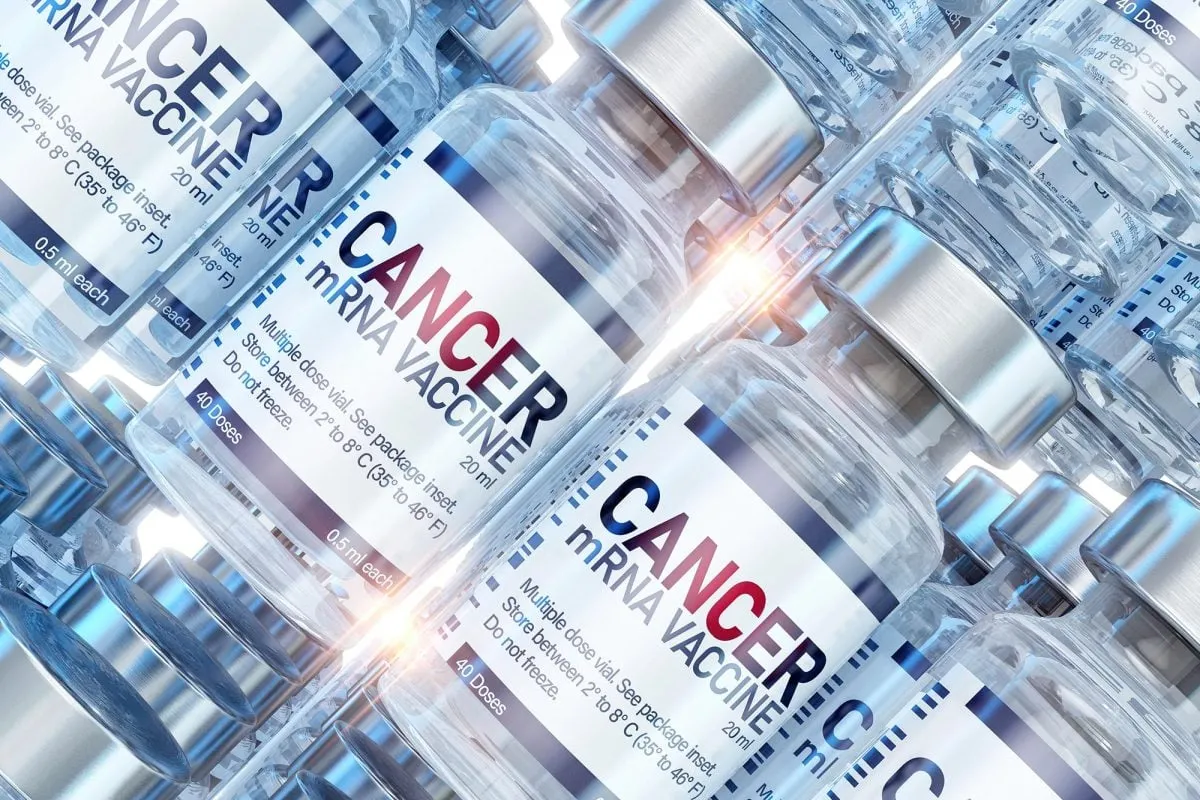
This approach could become the basis for creating a universal cancer vaccine, writes scitechdaily.
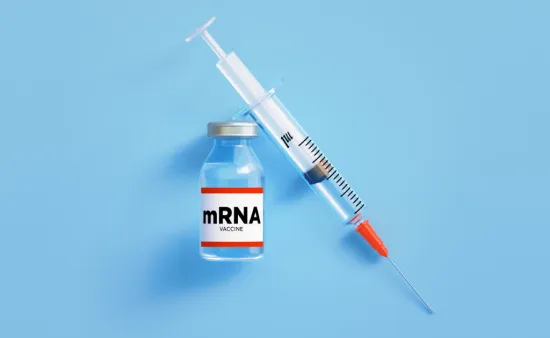
Unlike traditional methods that target specific tumor proteins, the new mRNA vaccine simply "stirs" the immune system, making it respond as if fighting a virus. This stimulates the production of the PD-L1 protein in tumors, making them more vulnerable to treatment. In combination with immunotherapeutic drugs — particularly PD-1 checkpoint inhibitors — the vaccine elicits a powerful anti-tumor response. In some cases, tumors disappeared even without additional treatment.
The lead author of the study, Dr. Elias Sayour, notes that this discovery was unexpected: even a non-targeted vaccine, which was not aimed at a specific type of cancer, was able to induce a specific immune response. This confirms the concept that mRNA vaccines can be used as universal tools to "awaken" the immune system against any type of tumor.
Until now, there have been two main approaches to creating cancer vaccines: either searching for a common protein characteristic of many tumors or developing a personalized vaccine based on the patient's specific cells. The new strategy offers a third way — stimulating a strong immune response without directly targeting cancer cells. This opens the prospect of creating a "vaccine from the shelf" that can be used for a wide range of patients.
This research is based on the previous success of Sayour's laboratory, which last year conducted the first clinical trial of an mRNA vaccine against glioblastoma — an aggressive brain tumor. At that time, a personalized vaccine was used, created from the patient's own cells. The new development is a generalized formula that does not require individual customization but still elicits a strong immune reaction.
Researchers from the University of Florida found that the vaccine can activate T-cells that previously did not respond to the tumor. If the immune response is strong enough, these cells begin to multiply and destroy cancer cells. This could be the key to treating tumors that were previously considered resistant to therapy.
The team is already working on improving the vaccine formula and plans to move to human clinical trials as soon as possible. If the results are confirmed, this could become one of the most significant breakthroughs in modern oncology — a universal method to activate the immune system to fight cancer.
This discovery not only changes the understanding of cancer treatment but also gives hope to millions of patients for effective, accessible, and safe therapy.