From Princess Olga to Yana Zinkevich: how the image of the Ukrainian guardian has changed

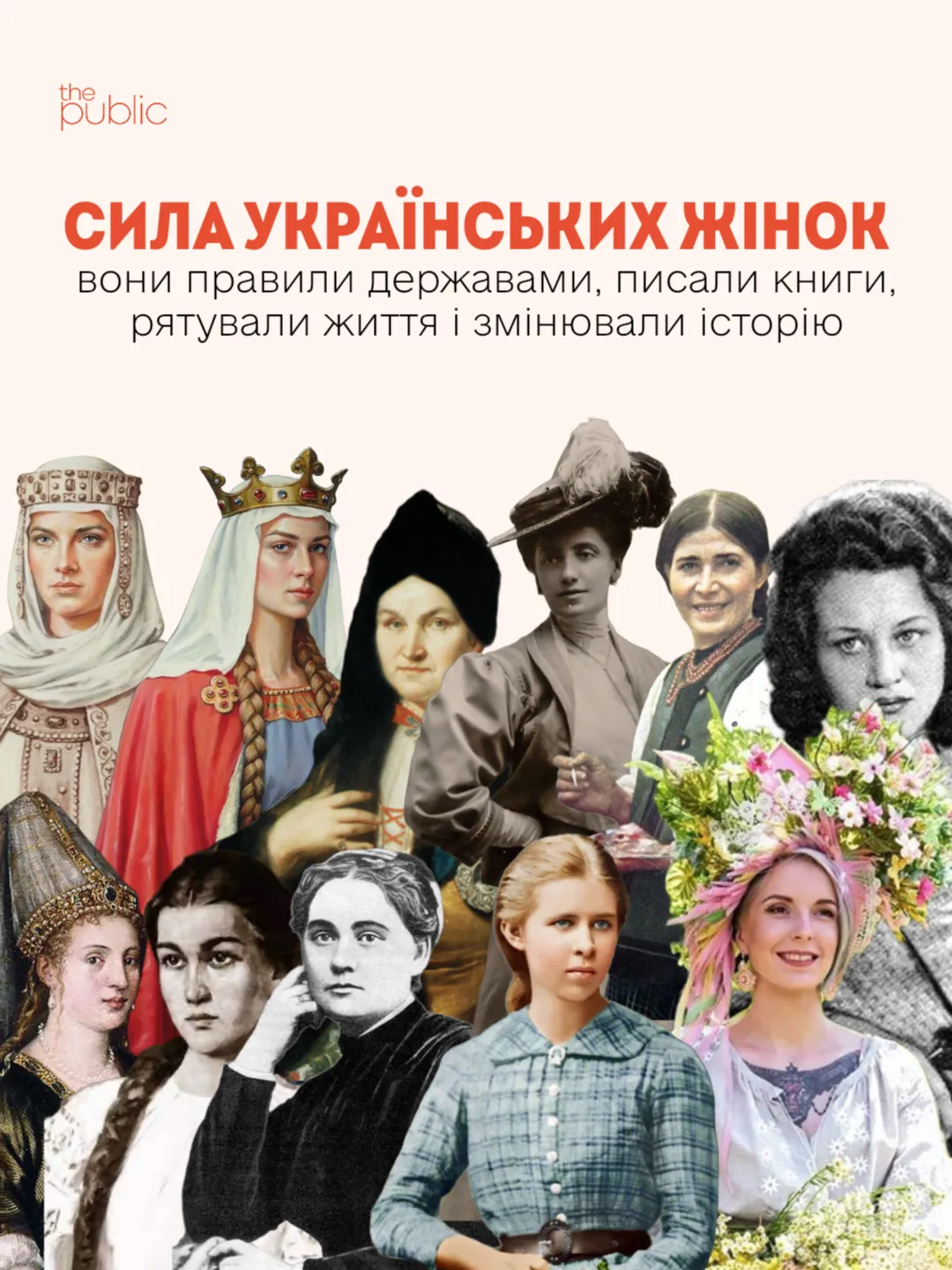
From the princely era to the modern war, Ukrainian women have influenced politics, created culture, shaped diplomacy, and saved lives. The image of the so-called Ukrainian guardian has changed along with the country's history.
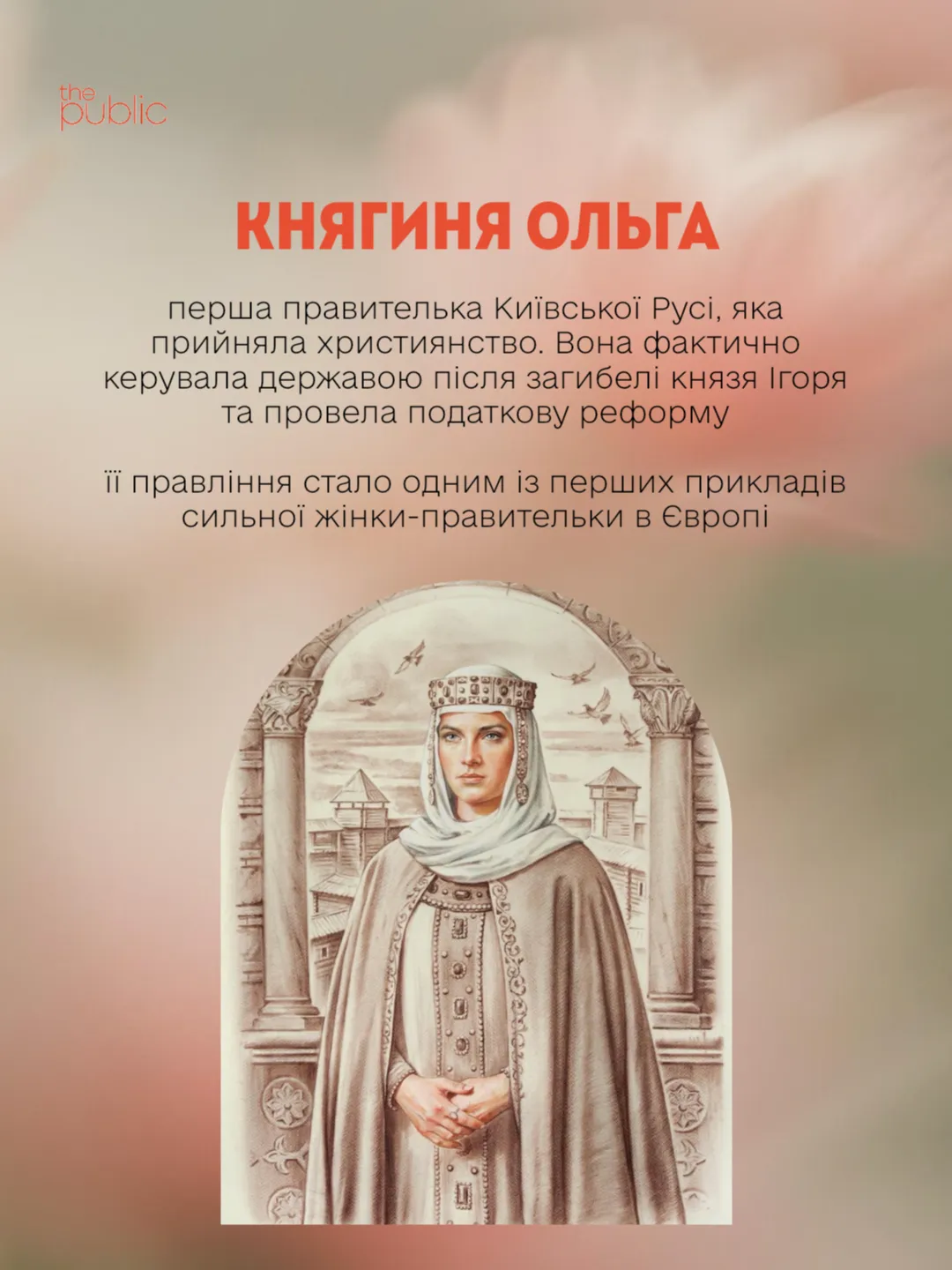
One of the first examples of female political leadership was Princess Olga, ruler of Kievan Rus' in the 10th century. After the death of Prince Igor, she effectively ruled the state, carried out tax reforms, and strengthened the system of government. Olga is also considered one of the first female rulers in Europe to convert to Christianity.
Her tradition was continued by Anna Yaroslavna, the daughter of Yaroslav the Wise, who became Queen of France. Her signatures in Cyrillic have been preserved in French documents. Anna participated in state affairs and became one of the first diplomatic bridges between Kievan Rus and Western Europe.
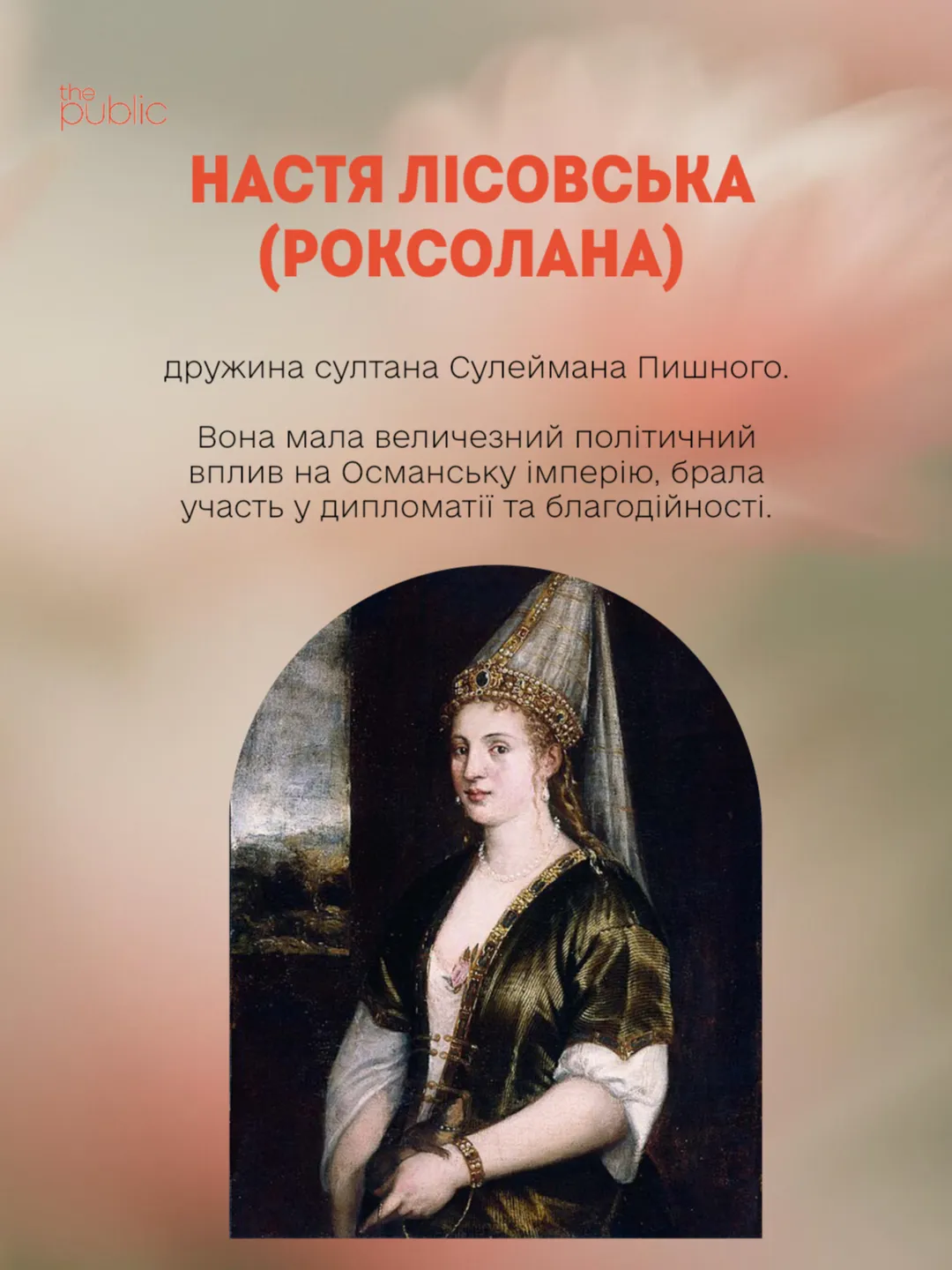
Another legendary figure was Nastia Lisowska, better known as Roksolana, the wife of Sultan Suleiman the Magnificent. She had a significant influence on political processes in the Ottoman Empire and was involved in diplomacy and charity work.
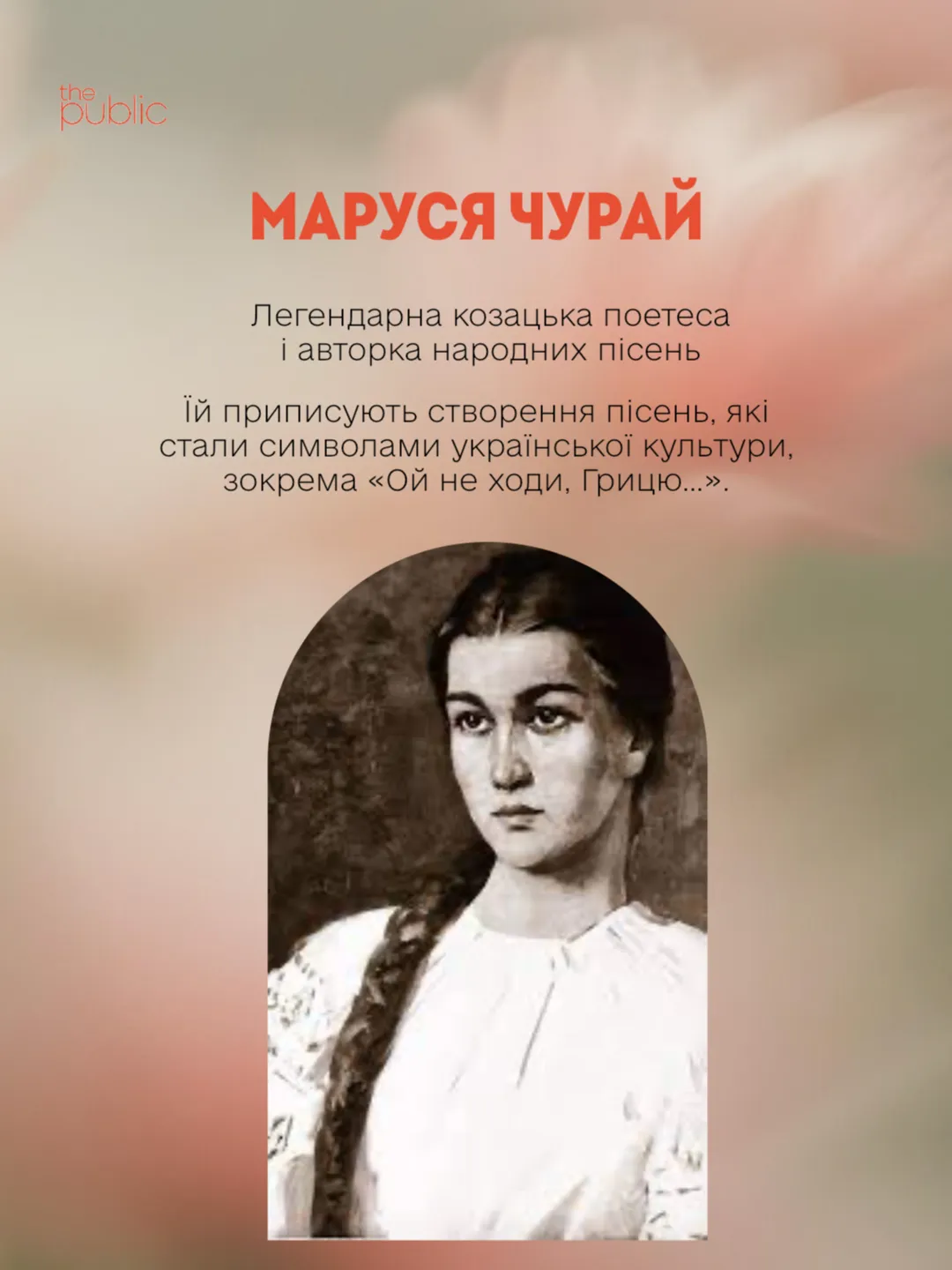
During the Cossack era, Marusia Churai, a legendary poet and author of folk songs, became a symbol of the female voice in culture. She is credited with creating works that later became part of Ukrainian folk tradition, including the song "Oy ne khody, Hrytsiu" ("Don't Go, Hrytsiu").
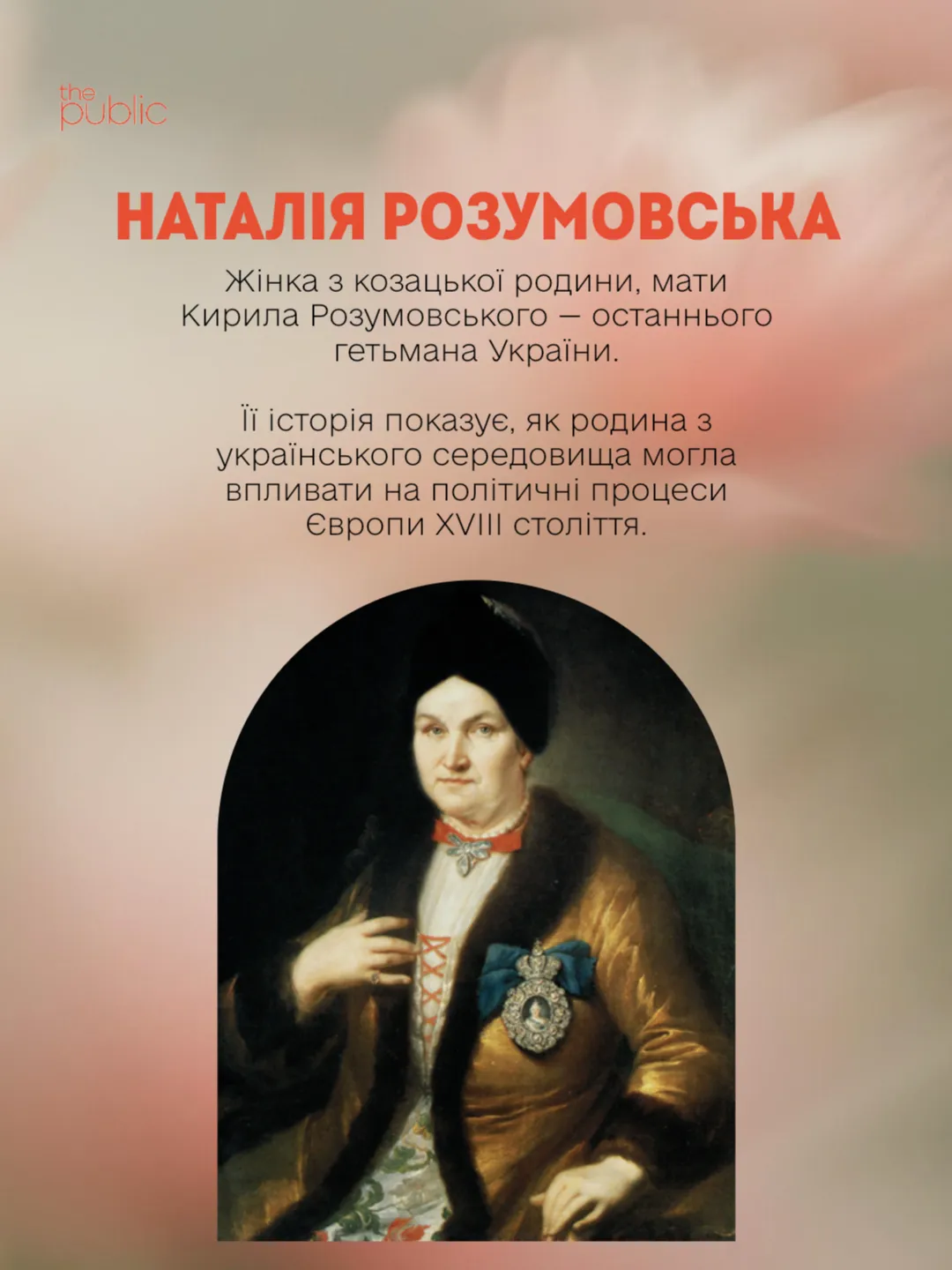
The story of Natalia Rozumovska also shows how Ukrainian families could influence the political processes of 18th-century Europe. She was the mother of Kirill Rozumovsky, the last hetman of Ukraine.
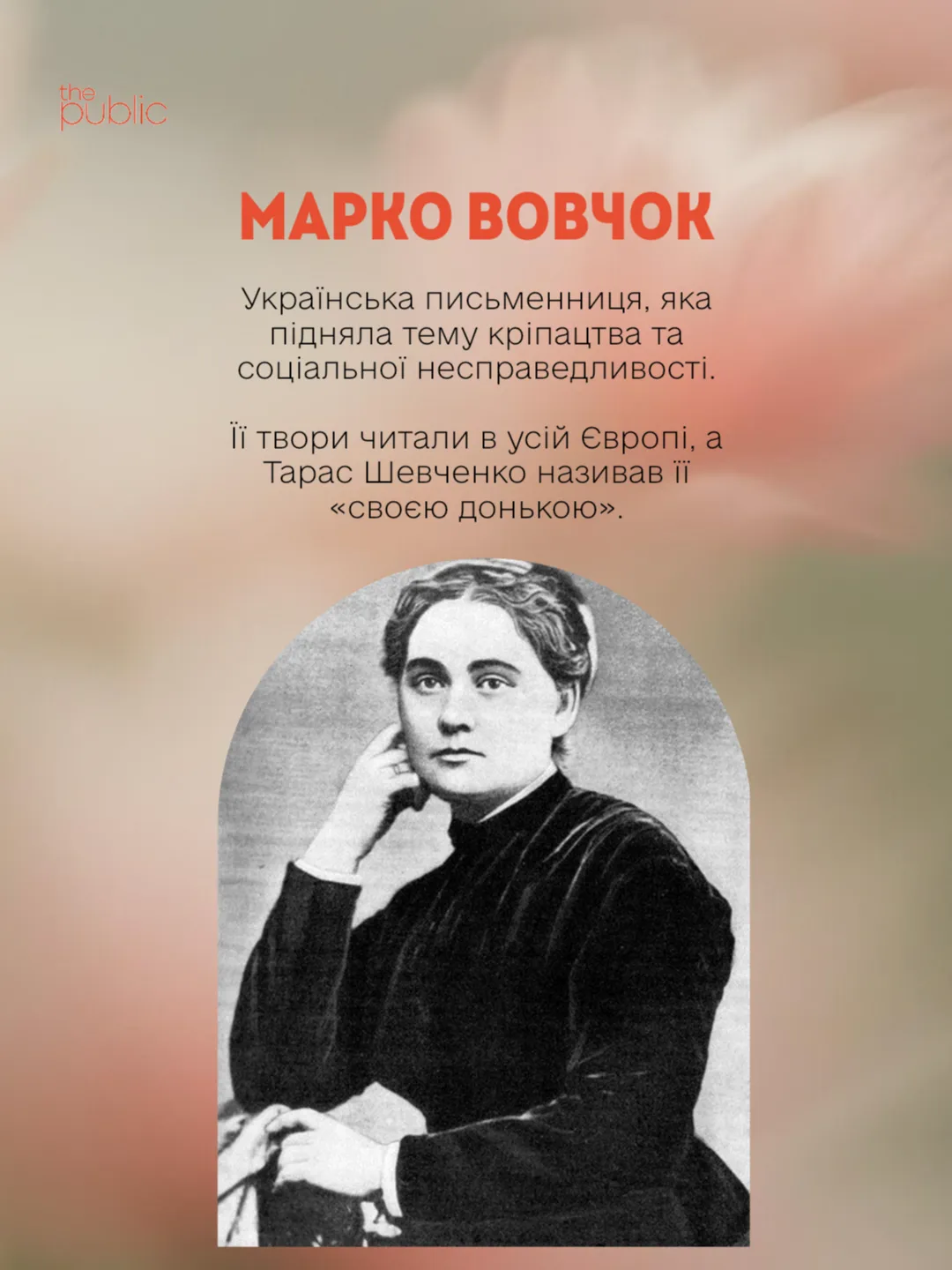
In the 19th century, Marko Vovchok played an important role in the formation of Ukrainian literature. In her works, she raised the issues of serfdom and social injustice. Her books were translated into European languages, and Taras Shevchenko called the writer "his daughter."
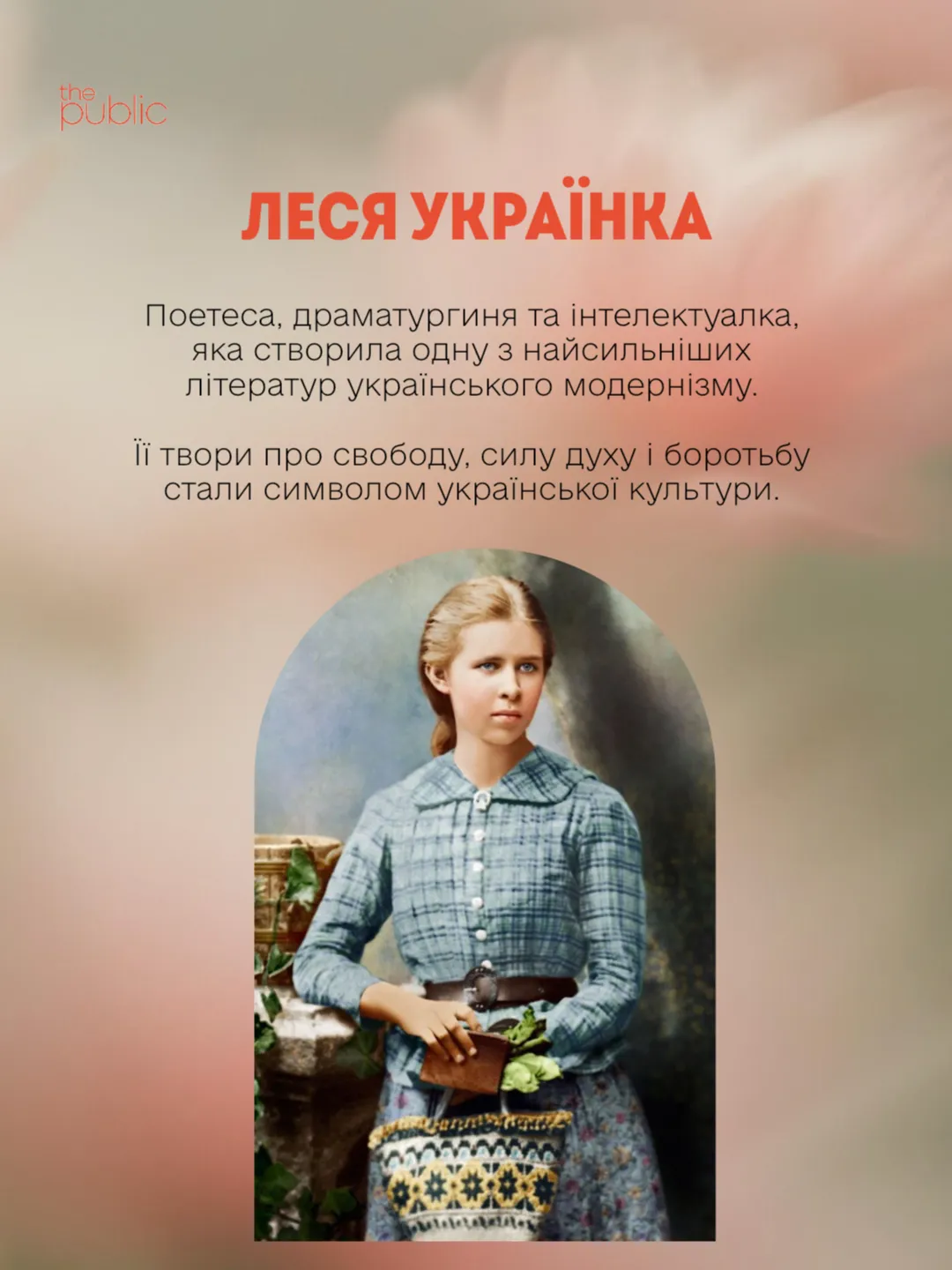
Lesya Ukrainka, a poet and playwright whose work shaped one of the most powerful traditions of Ukrainian modernism, became a symbol of strength of spirit and the struggle for freedom.
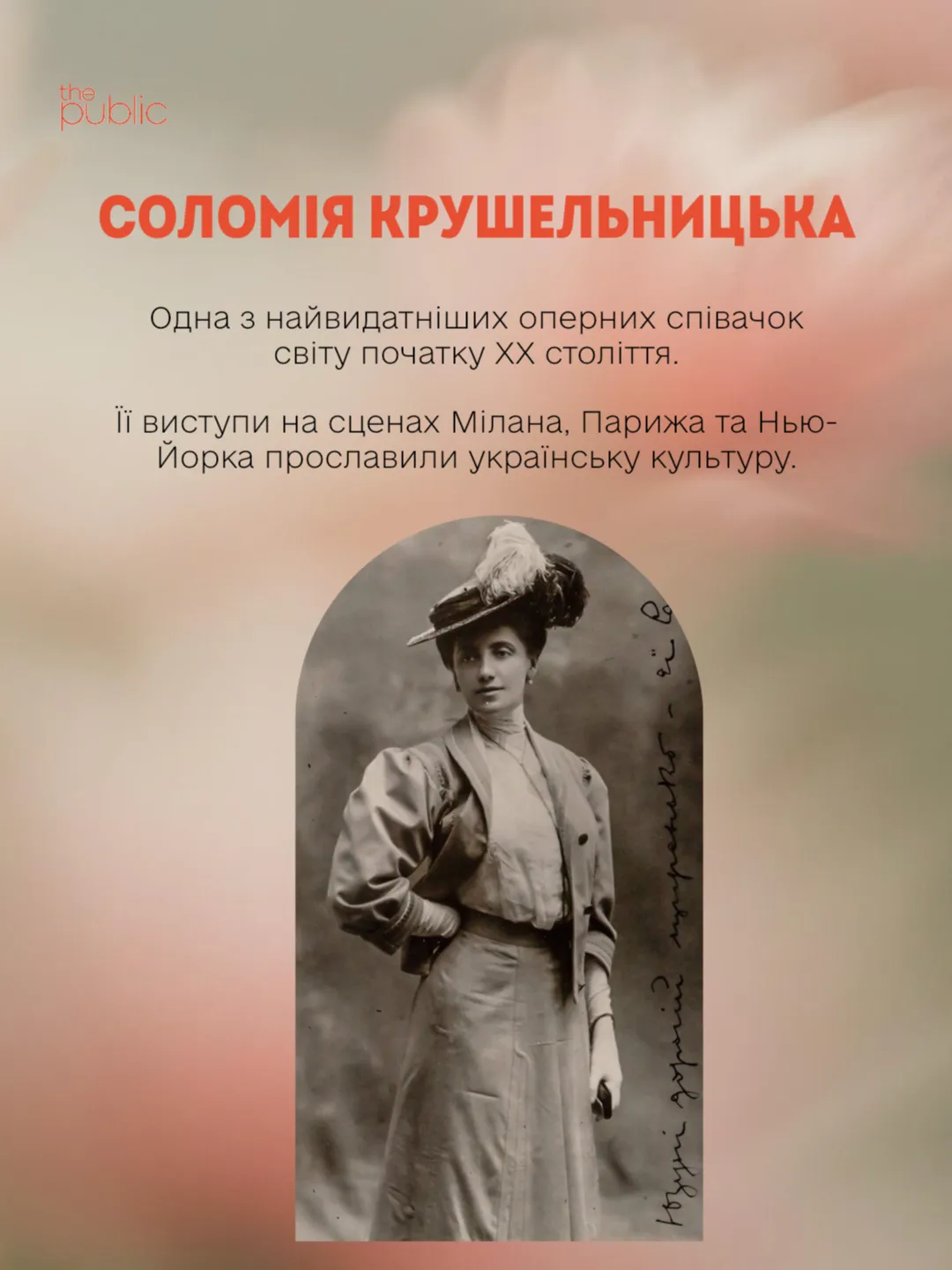
At the beginning of the 20th century, Ukrainian culture was made famous around the world by Solomiya Krushelnytska, one of the most outstanding opera singers of her time. She performed on the leading stages of Europe and America, including Milan, Paris and New York.
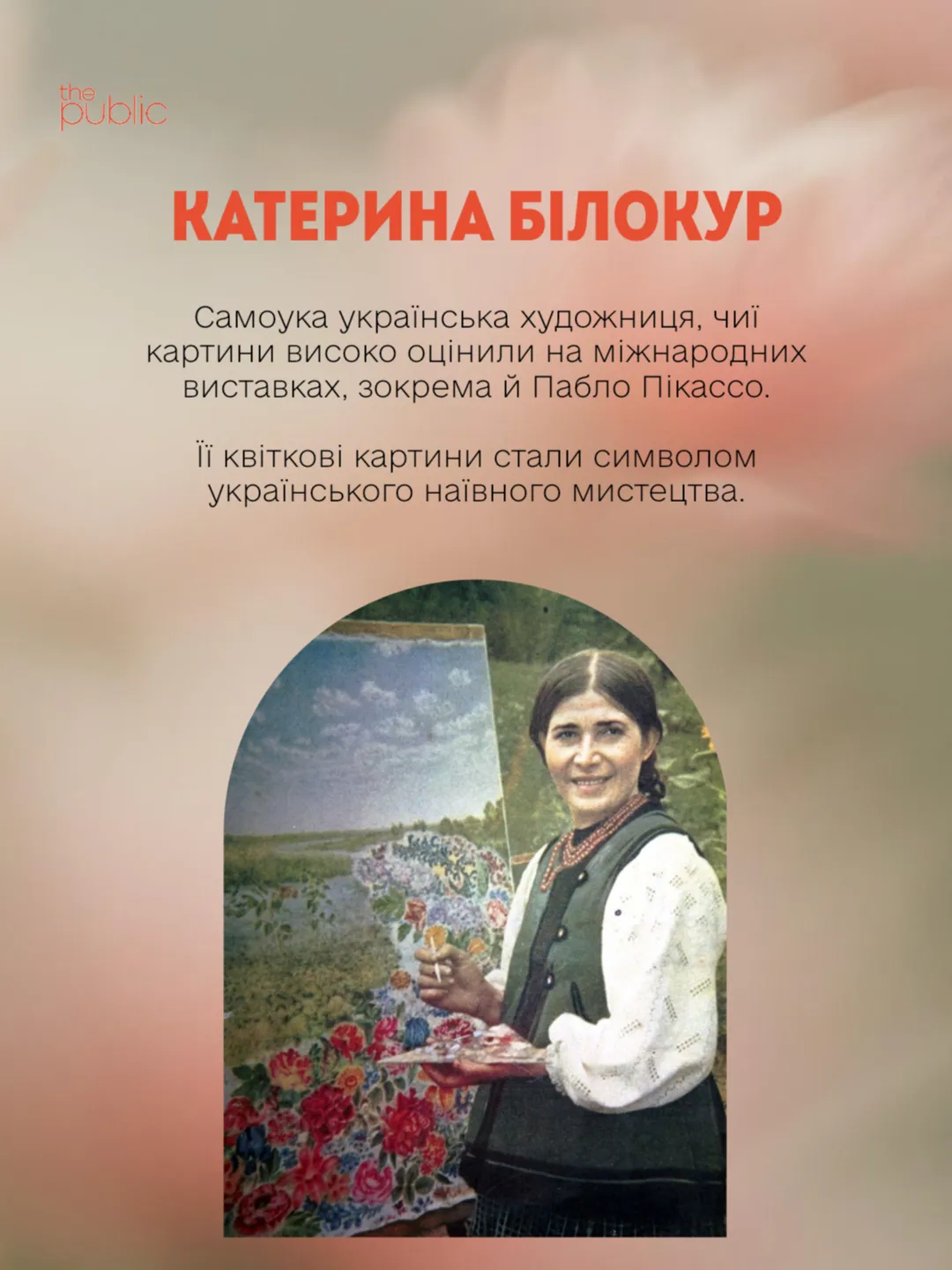
The artist Kateryna Bilokur occupies a special place in Ukrainian art. A self-taught artist from Poltava, she created unique paintings that gained international recognition. Her work was highly praised even by artists such as Pablo Picasso.
In the second half of the 20th century, poet Lina Kostenko, one of the most influential figures in Ukrainian literature and the generation of the 1960s, became a symbol of cultural resistance.
In the 21st century, the image of the Ukrainian guardian has taken on new meaning.
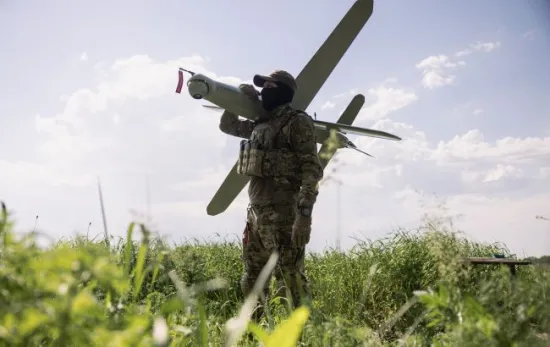
Modern Ukrainian women not only create culture or work in science and education, but also save lives on the front lines.
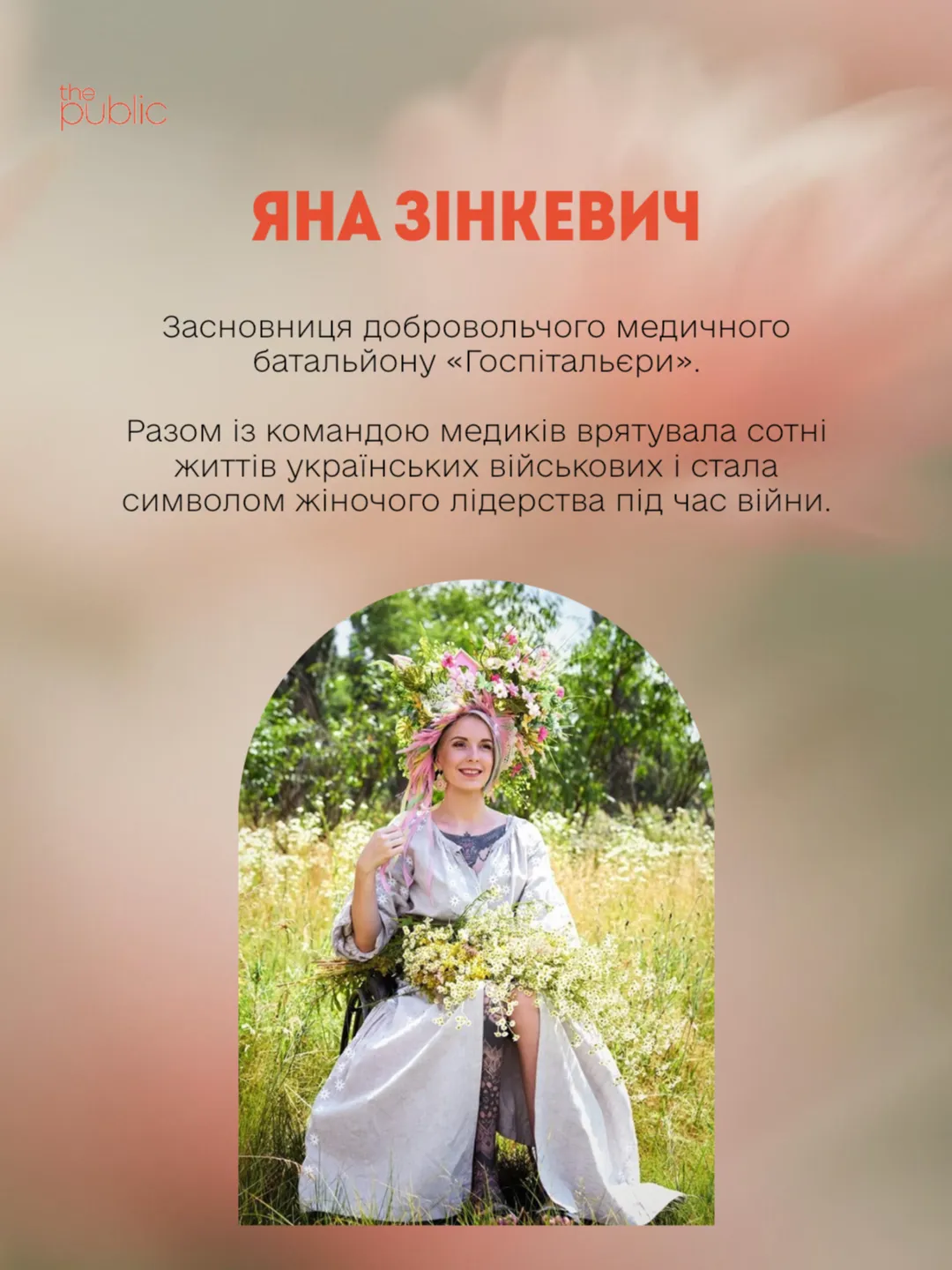
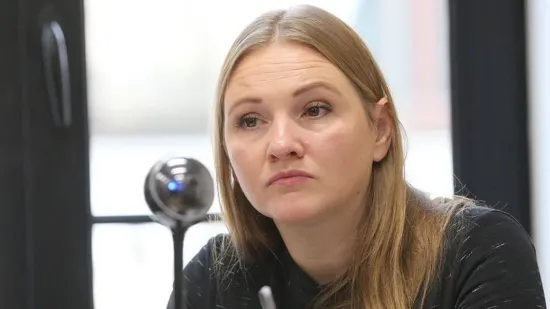
One such figure is Yana Zinkevych, founder of the volunteer medical battalion "Hospitaliers." Together with her team of medics, she helped save hundreds of Ukrainian soldiers and became a symbol of female leadership during the war.
The history of these women shows that the image of the Ukrainian guardian has never been just about domestic comfort. In different eras, it has meant political power, cultural leadership, intellectual struggle, and the ability to protect life.
These stories are only part of a great tradition in which Ukrainian women have influenced the course of events for centuries: they ruled states, created culture, shaped public opinion, and saved lives. That is why the conversation about 8 March in Ukraine inevitably goes beyond the usual greetings and flowers.
Historically, 8 March emerged as a day for women to fight for their rights — in particular, the right to vote, better working conditions and equal pay. In Soviet times, this meaning was significantly changed, transforming it into a so-called celebration of spring and beauty.
That is why, for many Ukrainians today, 8 March is not just a date on the calendar, but a reminder of the role of women in shaping the country's history.
Whether to celebrate this day or not is up to each individual. So celebrate as your heart dictates.